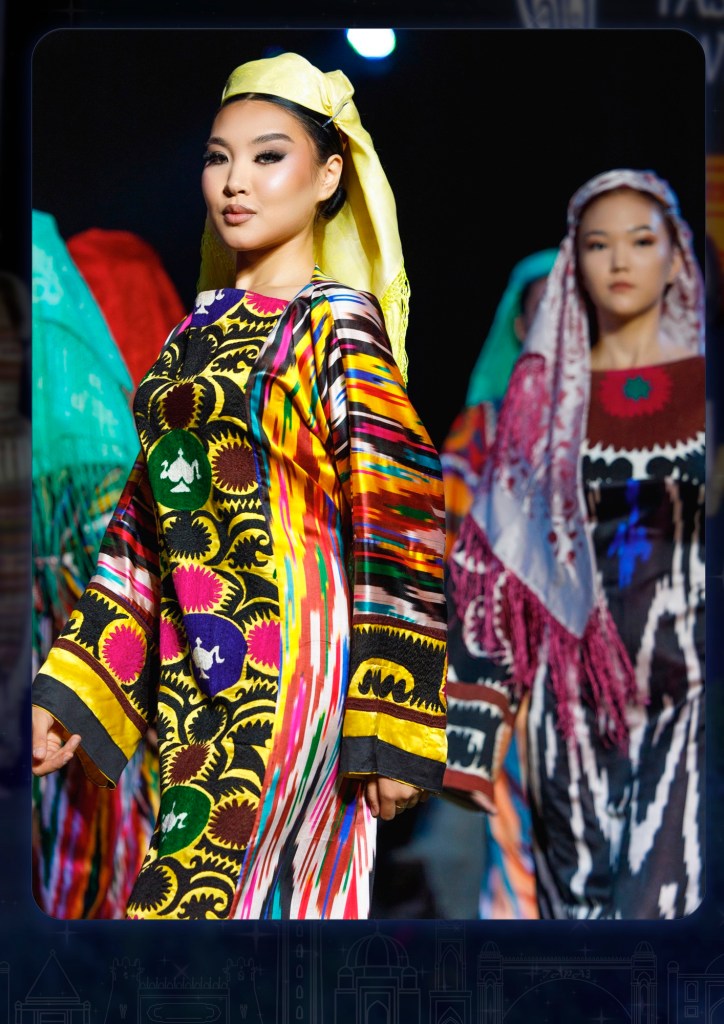
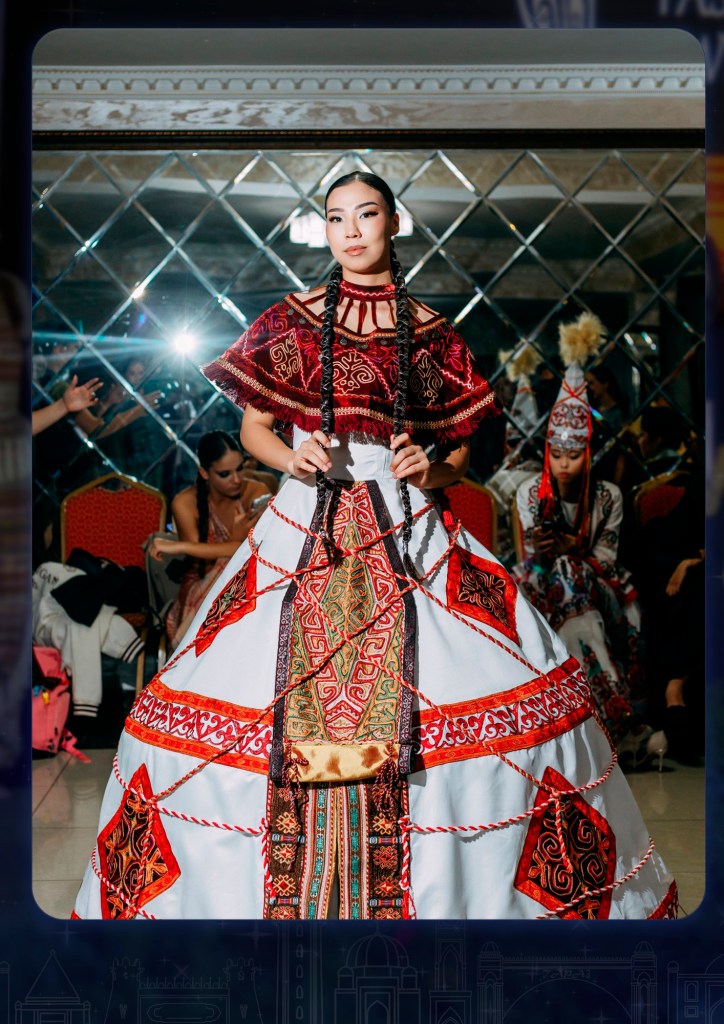
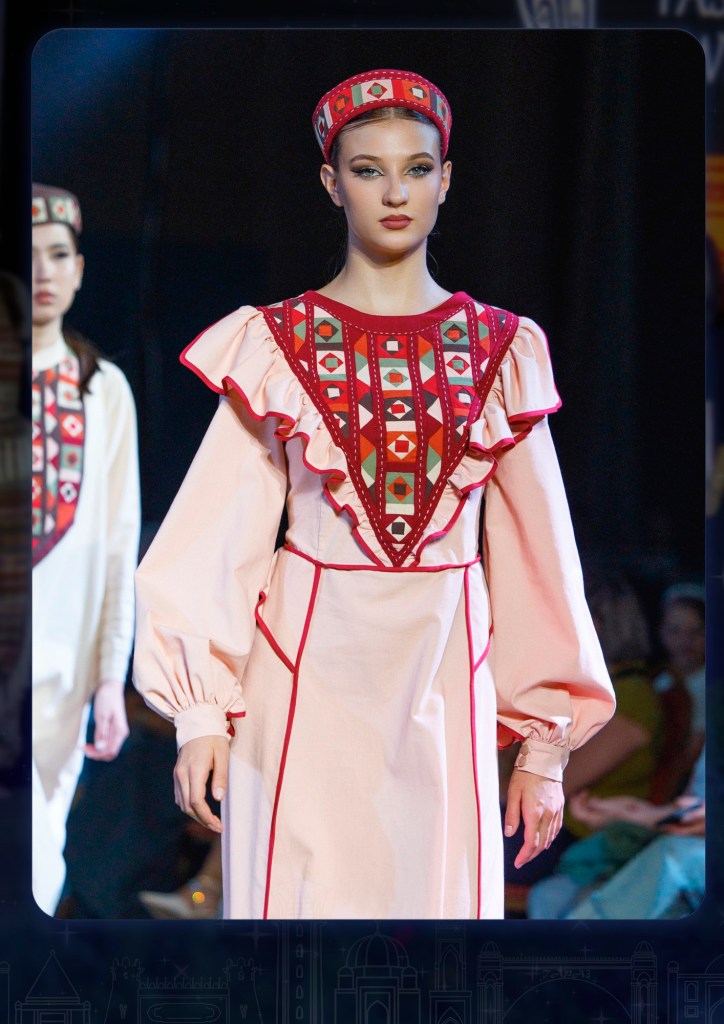
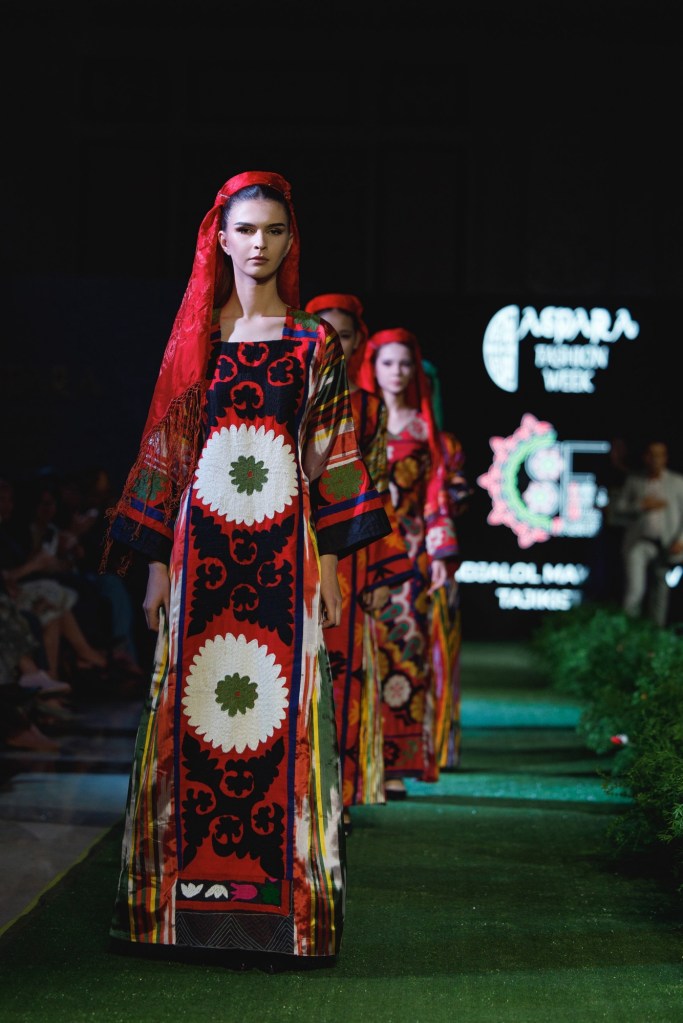
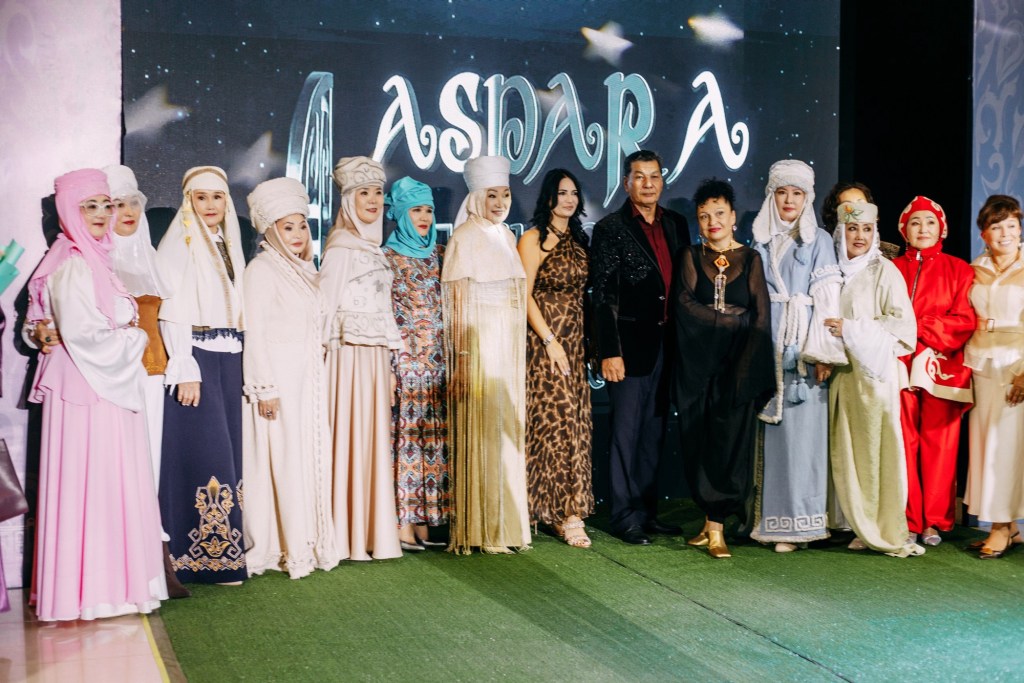
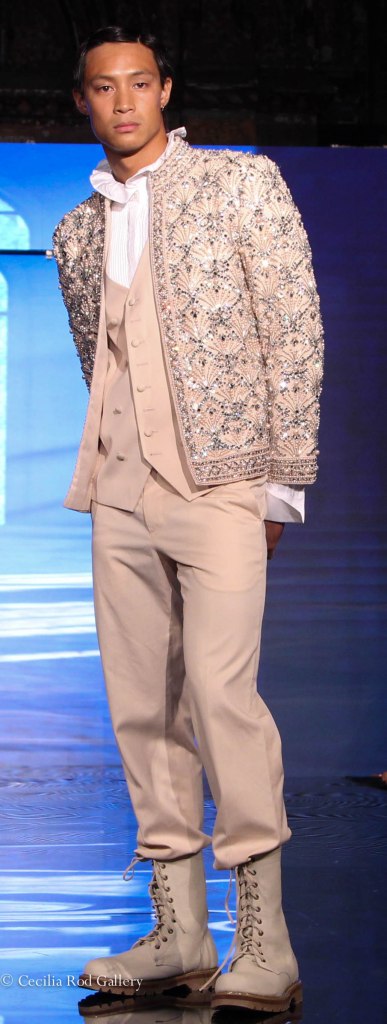
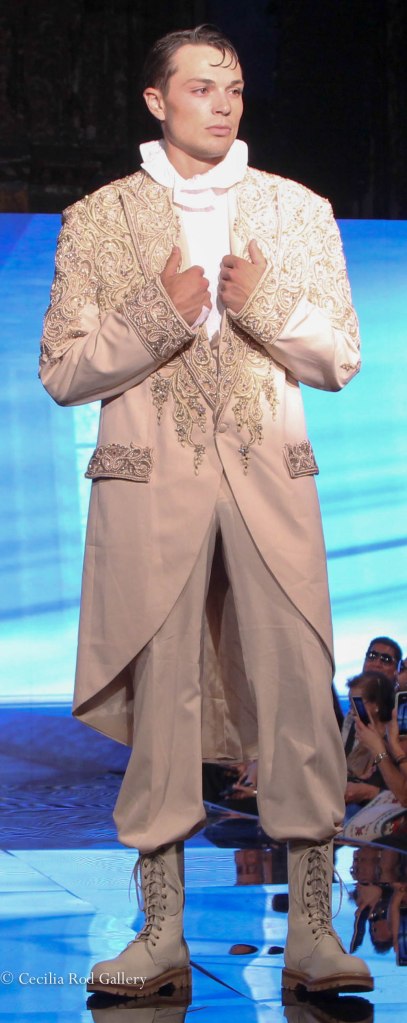
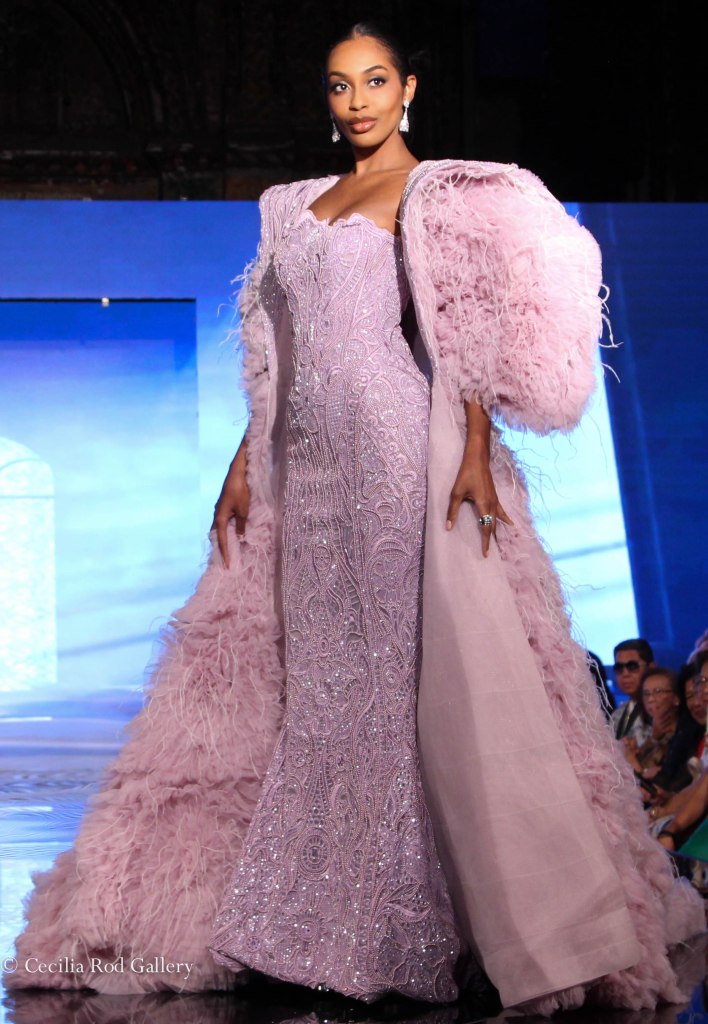
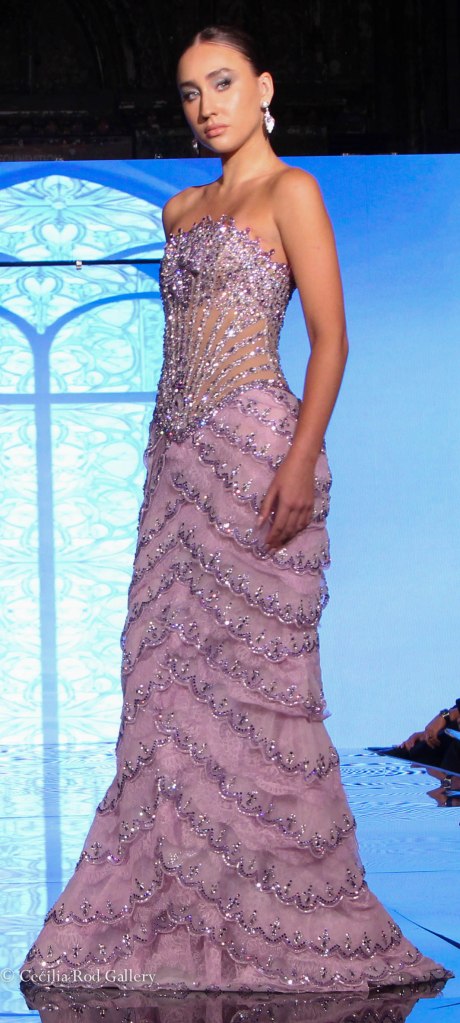
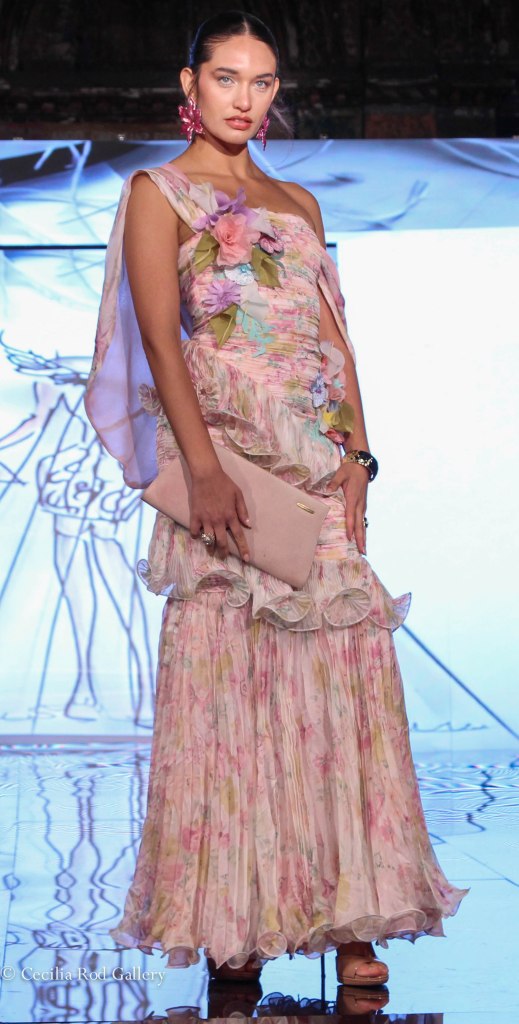
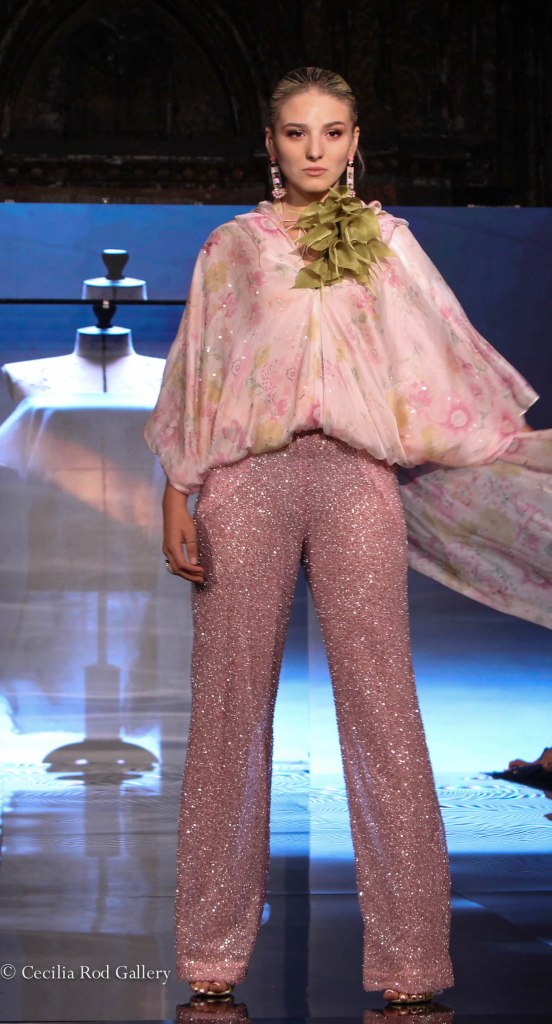
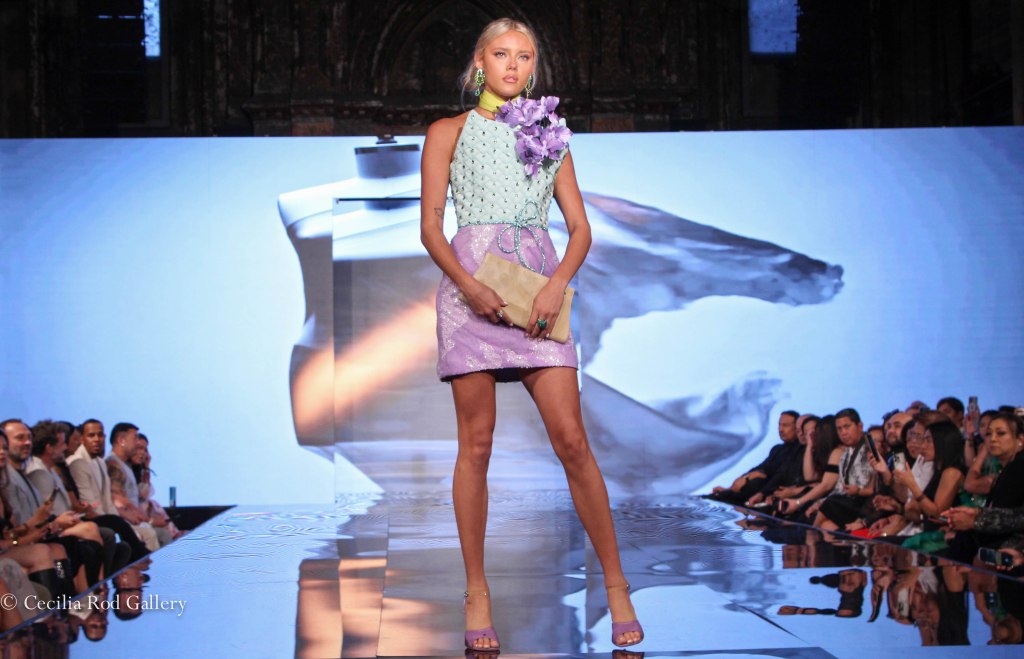
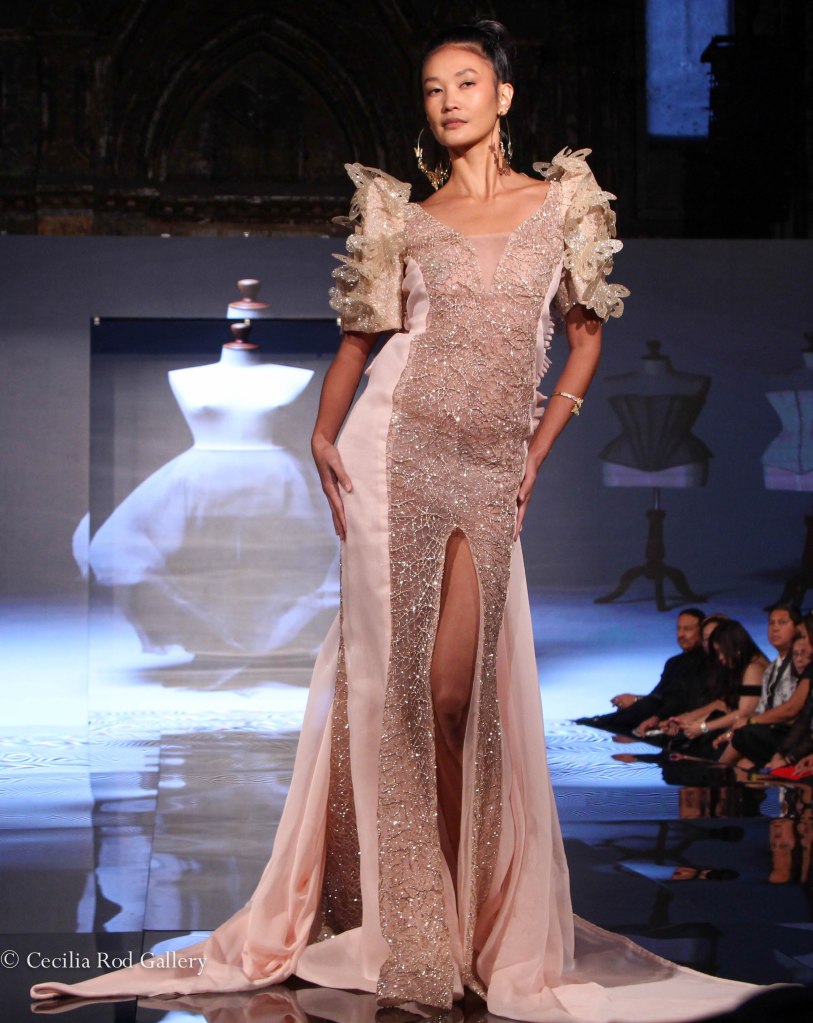
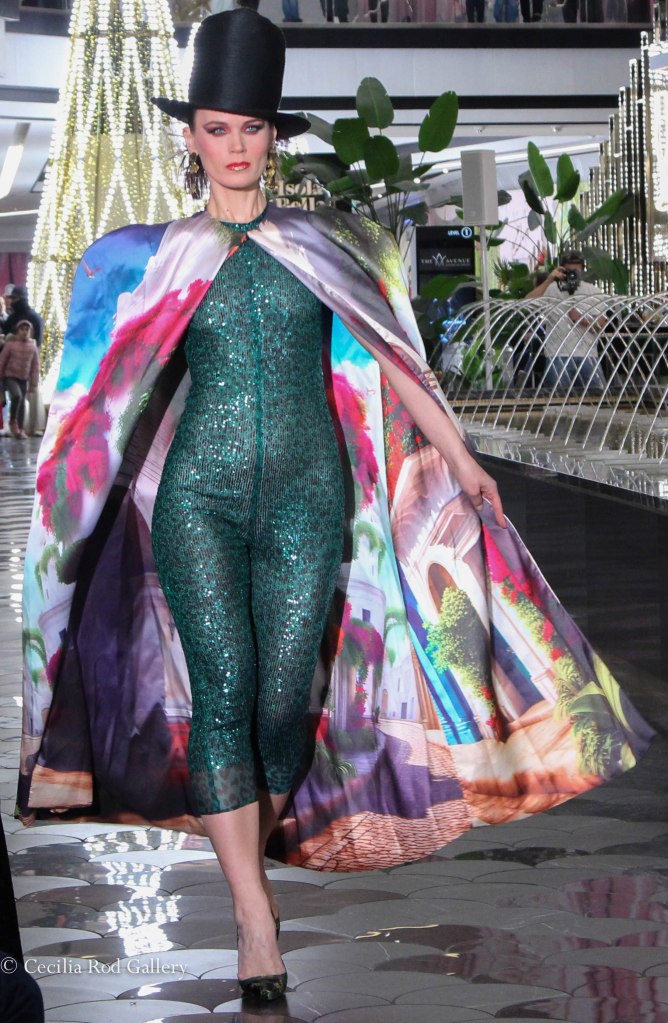
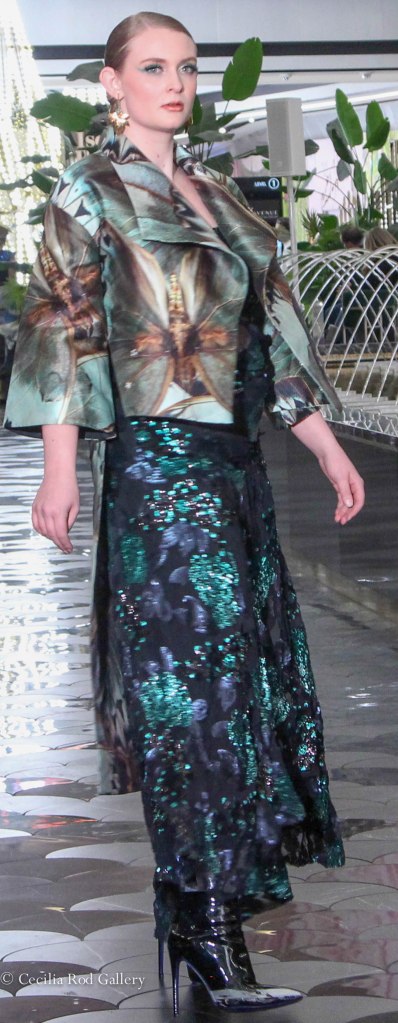
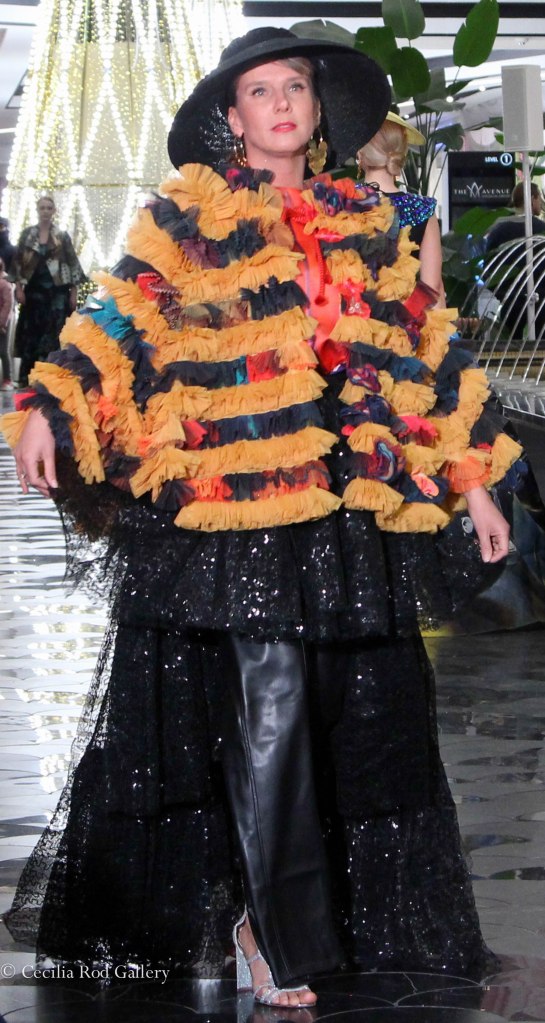
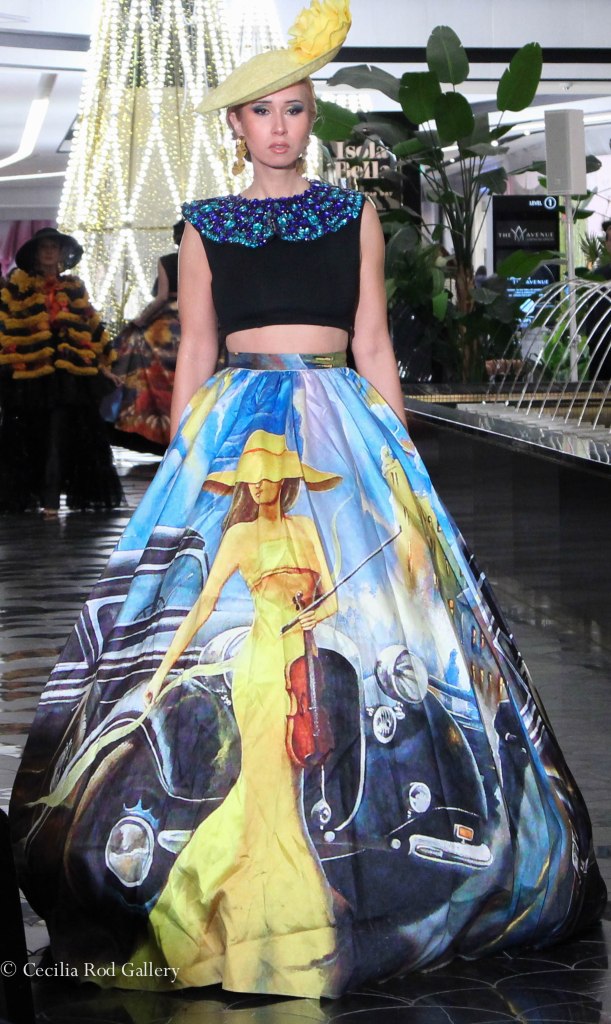
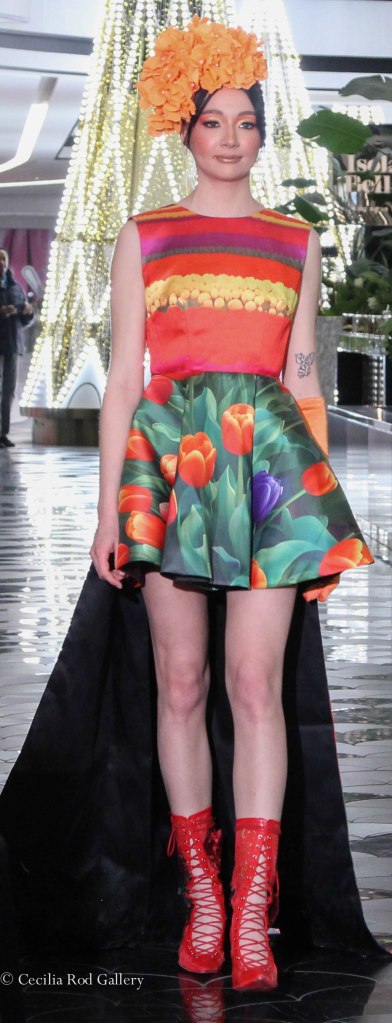
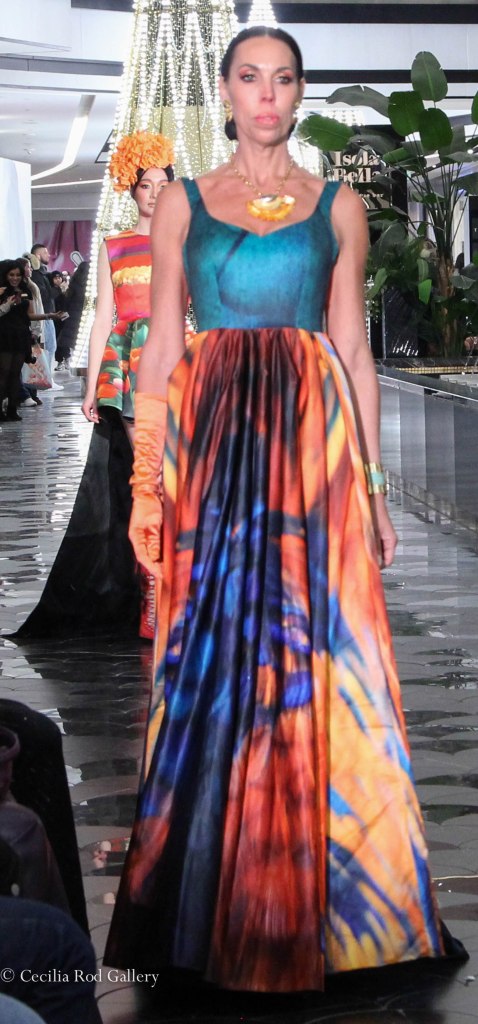
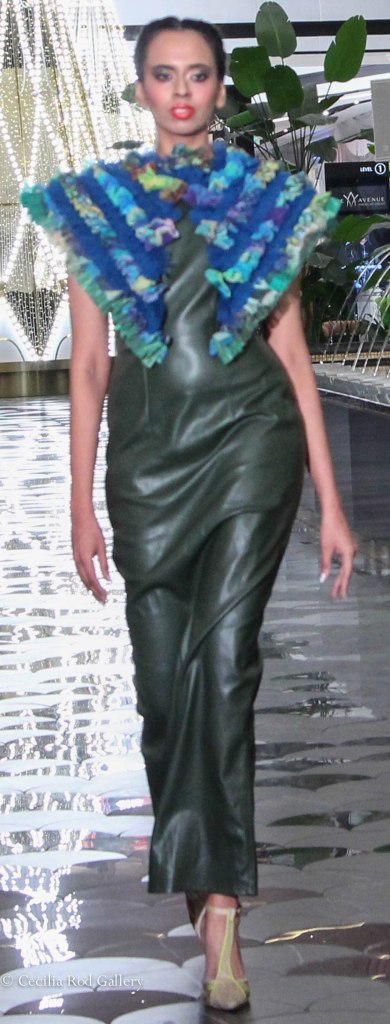
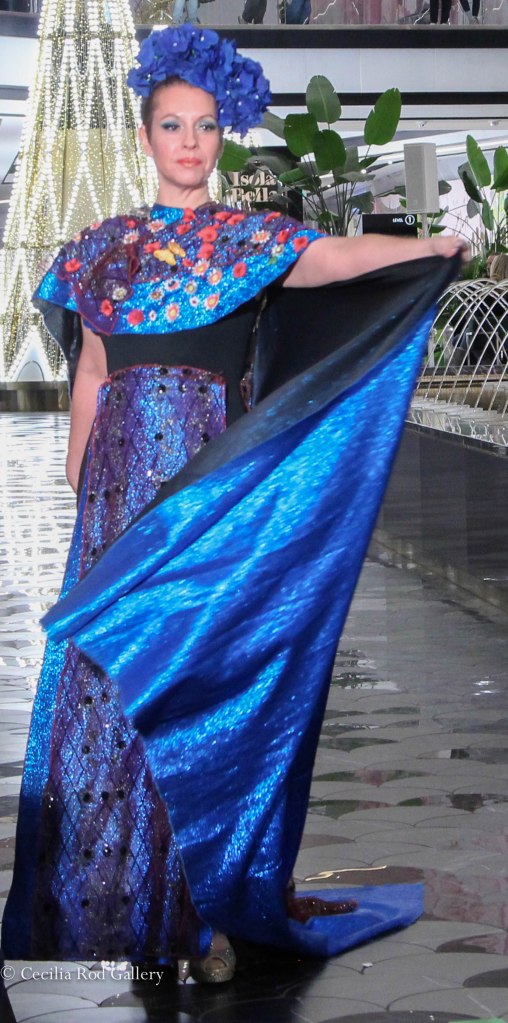
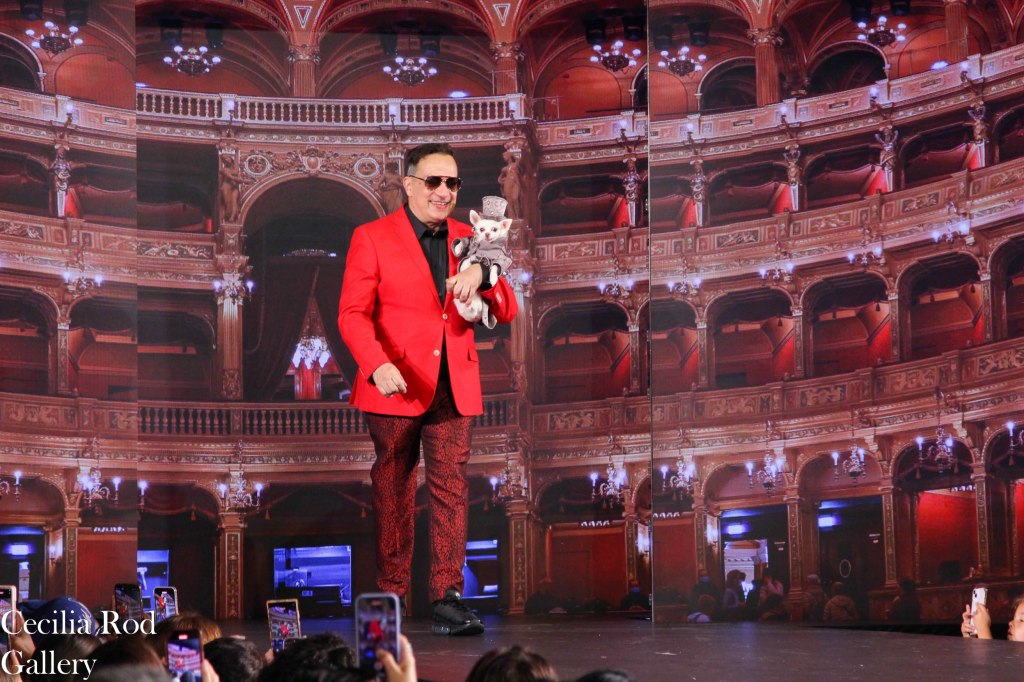
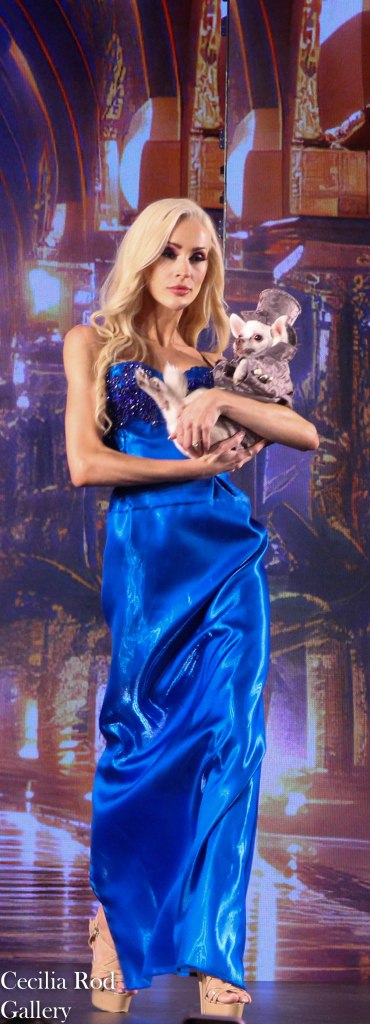
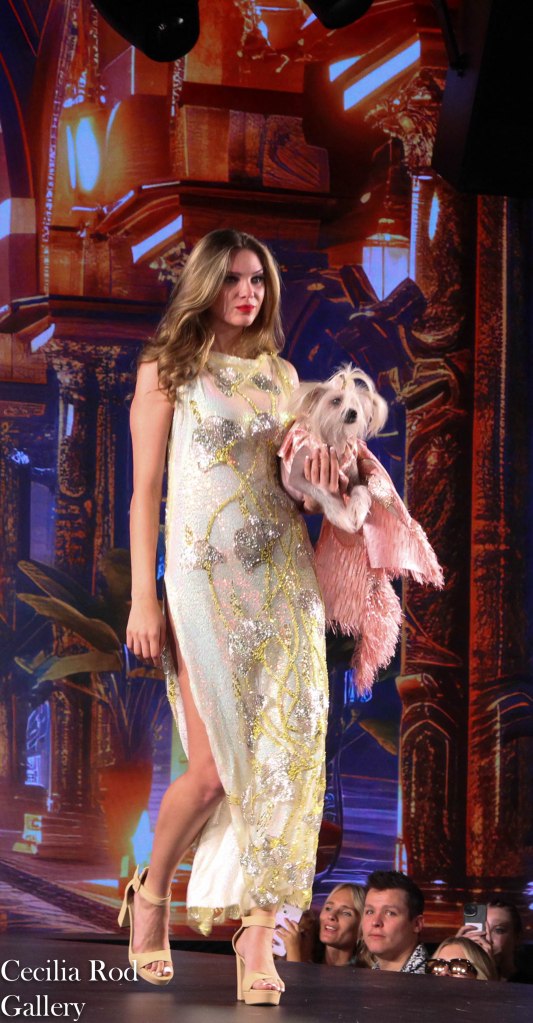
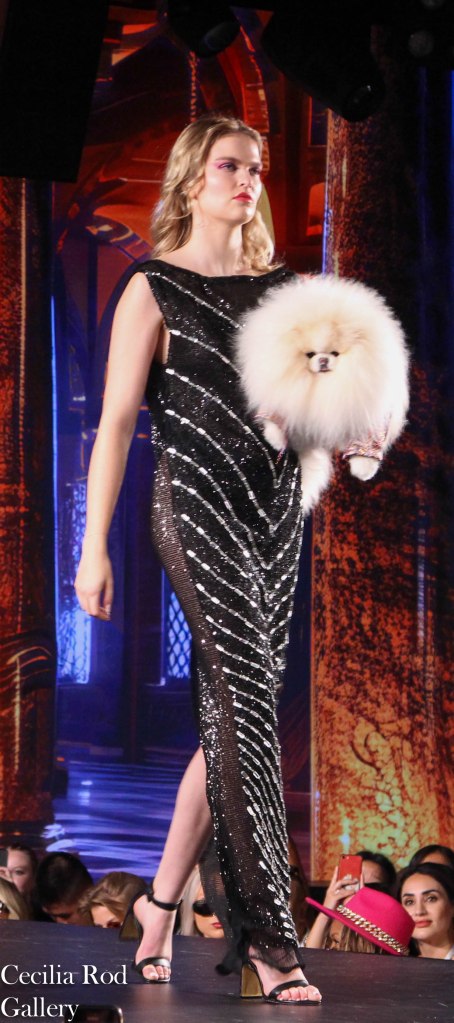
TODAY IN TARAZ — ASPARA FASHION DAY 2026 “THE CODE OF HERITAGE”!
Today, November 21, in the historic setting of the KÖNE TARAZ Ethnocultural Complex, a special event will bring together cultural heritage, traditional craftsmanship, contemporary design and fashion.
ASPARA FASHION DAY 2026 “THE CODE OF HERITAGE” is much more than a fashion show. It is a meeting of the past, present and future — an opportunity to rediscover the richness of our culture and demonstrate how traditions continue to live through contemporary creativity.
The central idea of our event is:
“TRADITION IS NOT A COSTUME. TRADITION IS A CODE.”
The programme includes:
▪️ The international forum “THE CODE OF HERITAGE”, featuring participants from Kazakhstan, Uzbekistan and Turkmenistan.
▪️ An open dialogue on preserving cultural identity, fostering intergenerational continuity and developing the creative industries.
▪️ A gathering of artisans, designers, experts and young creative talents.
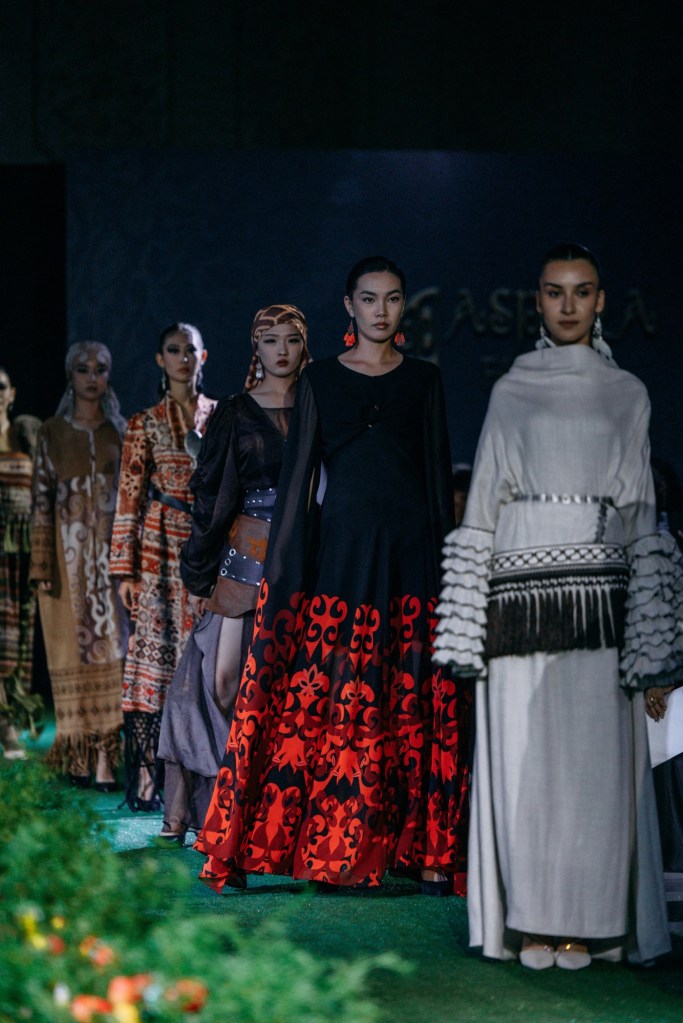
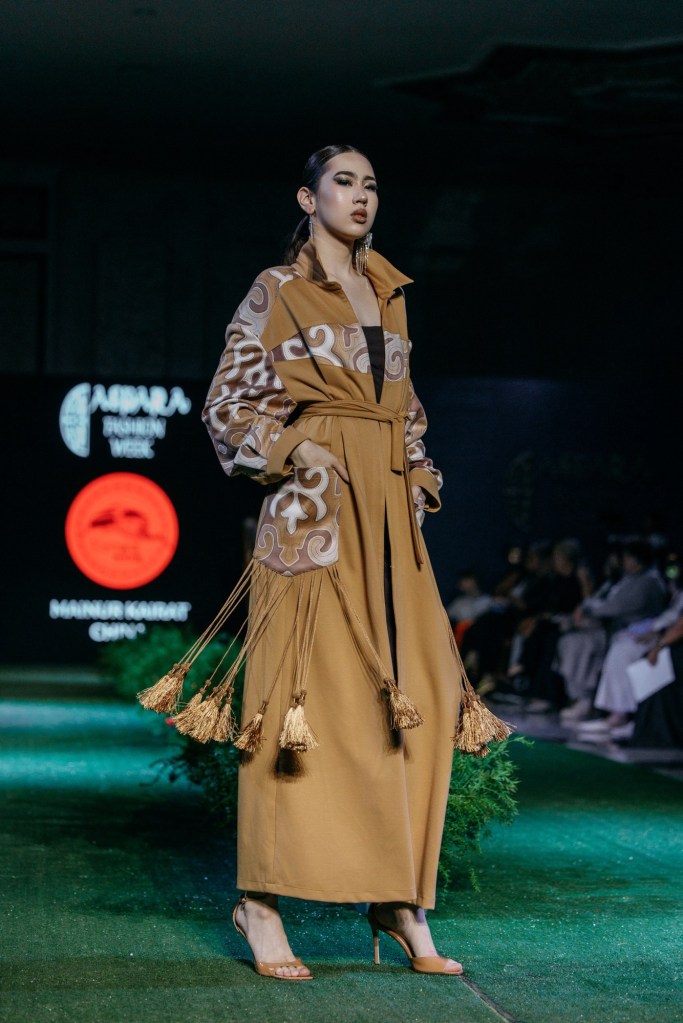
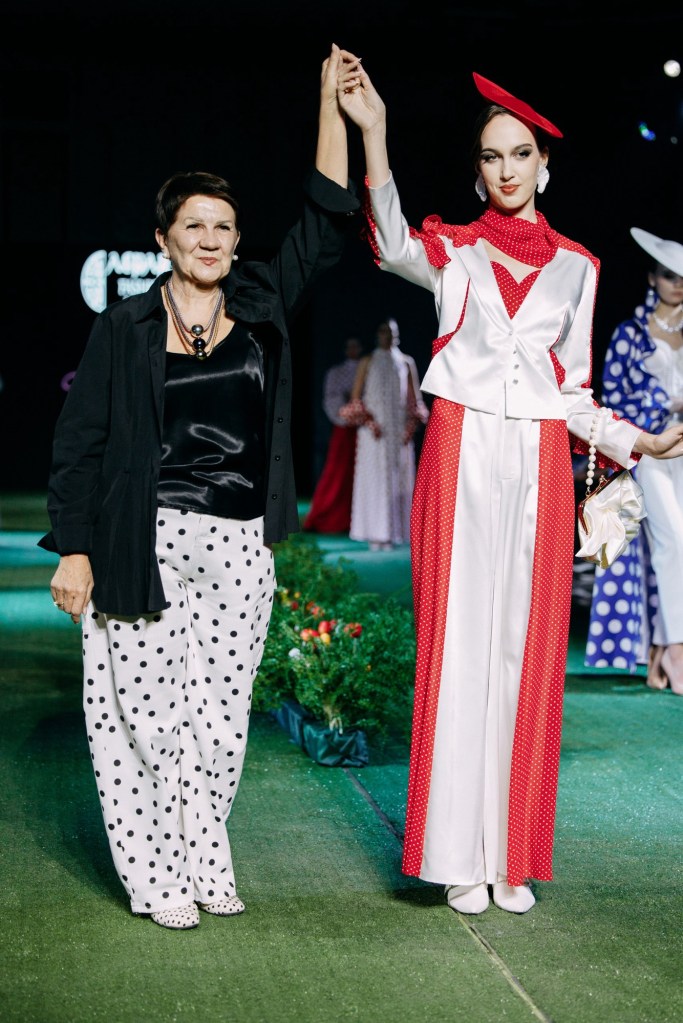
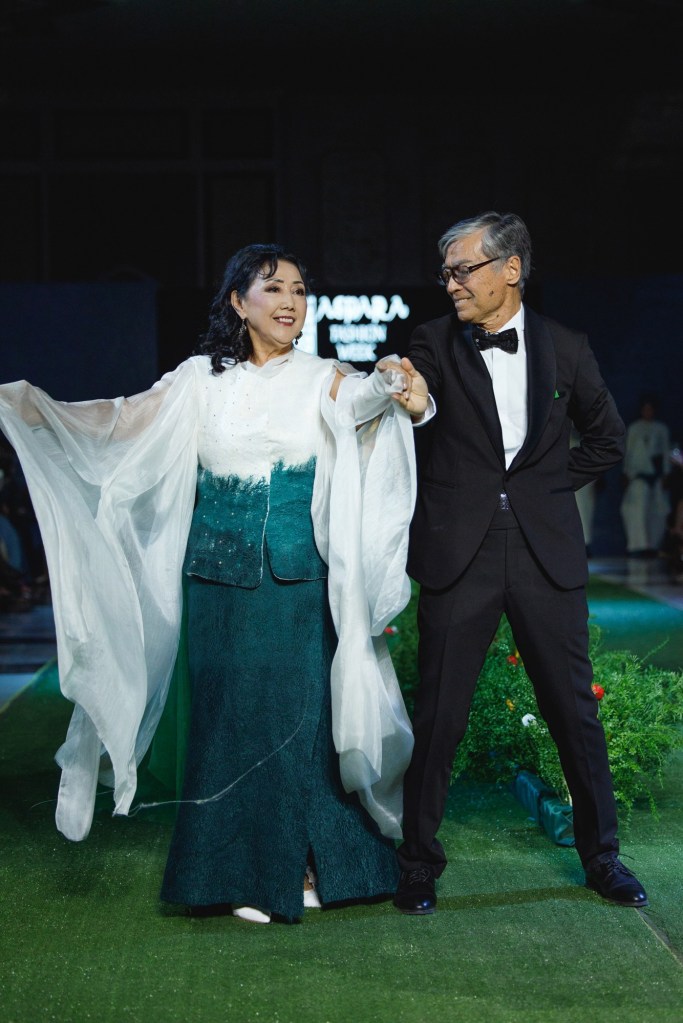
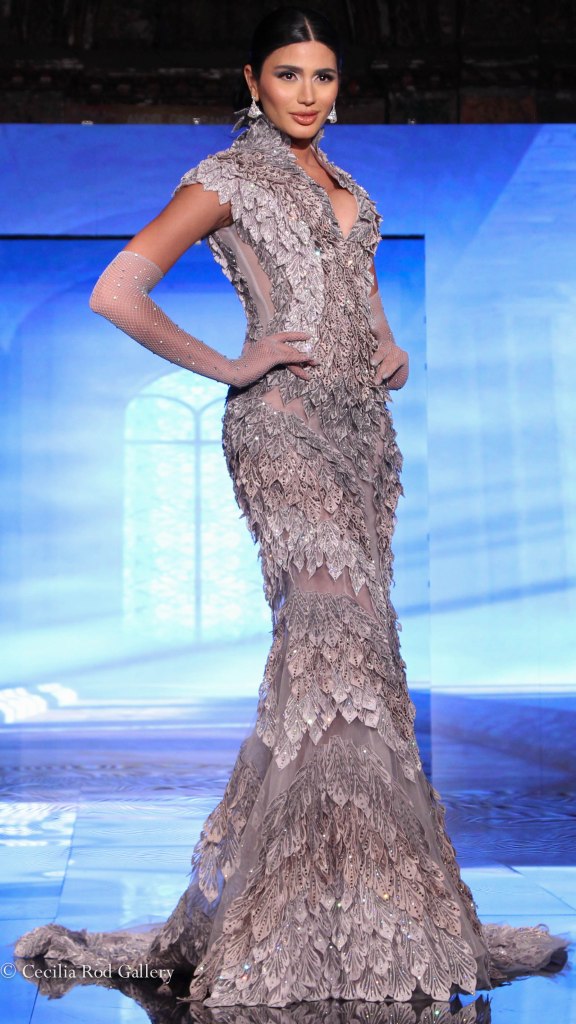
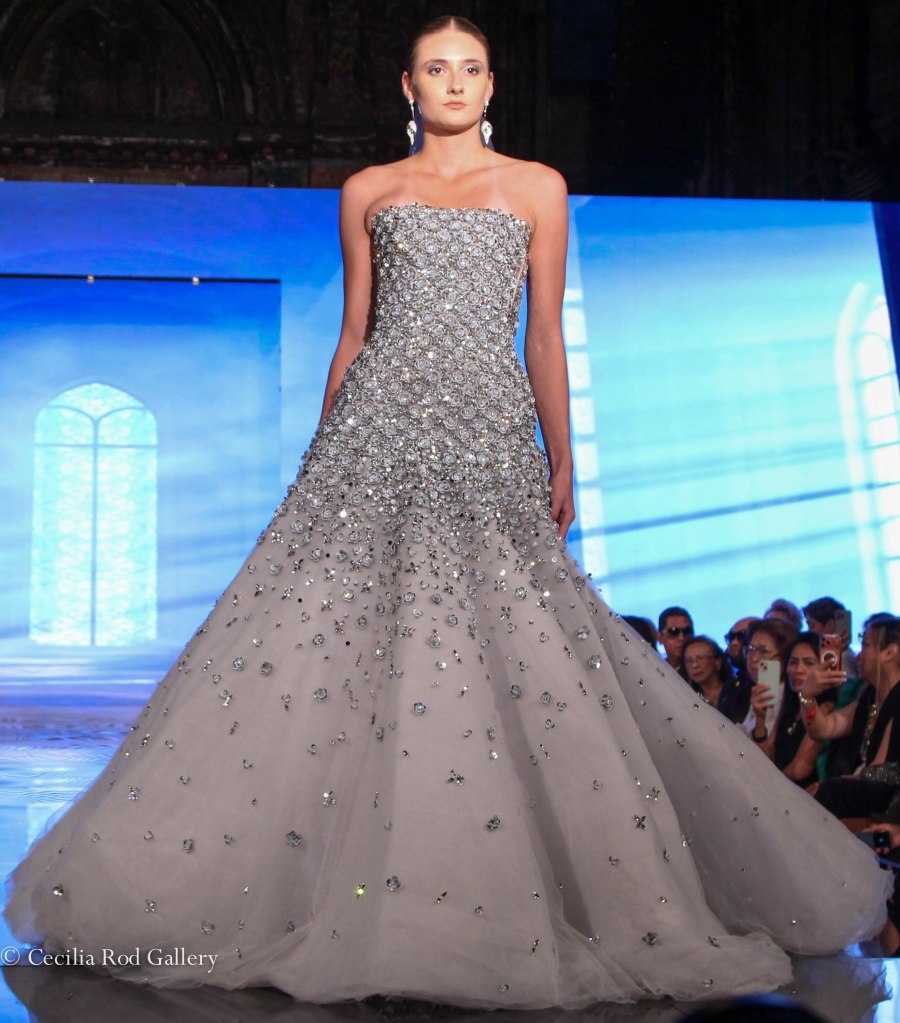
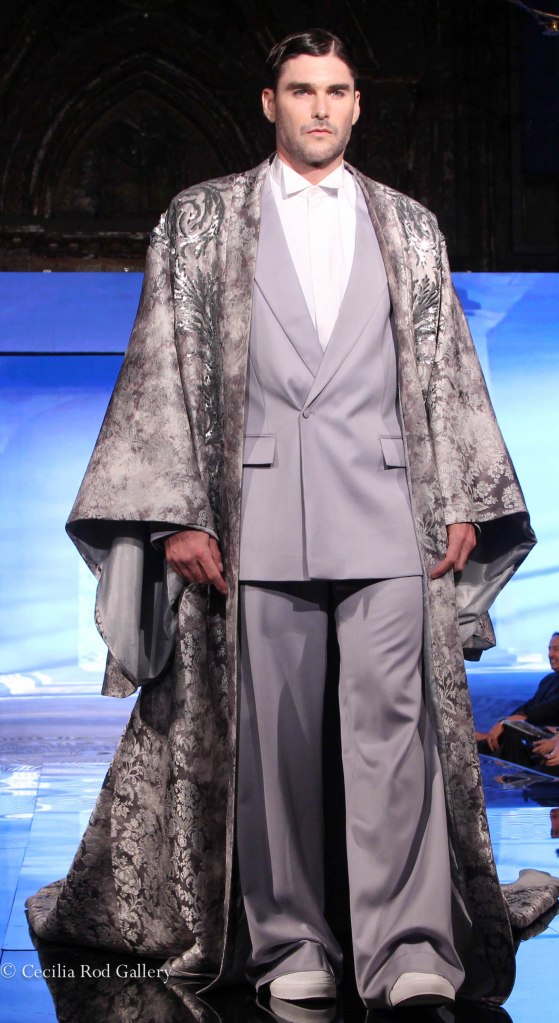
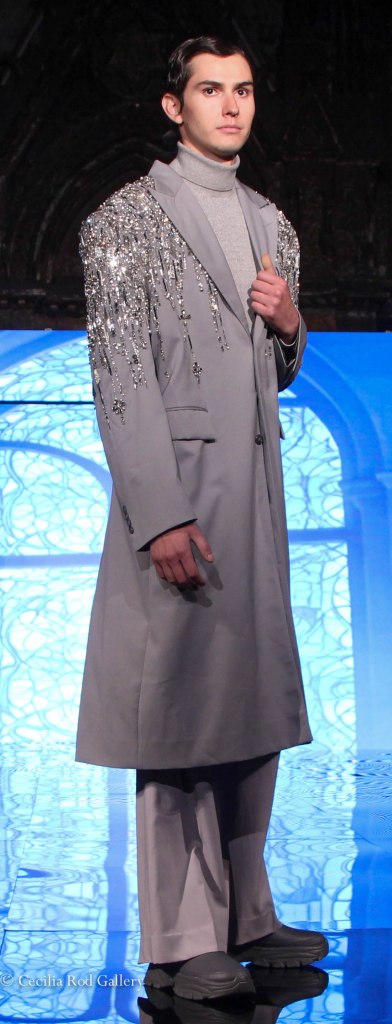
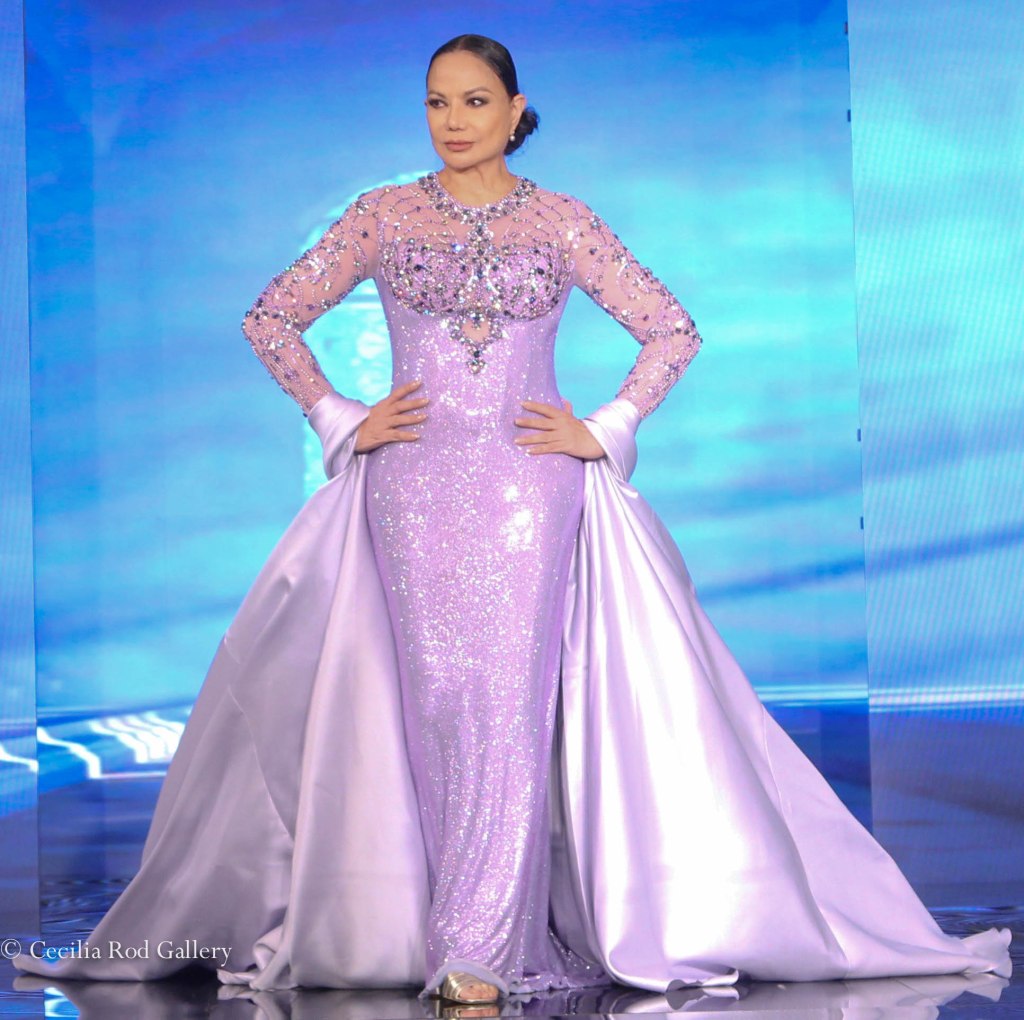
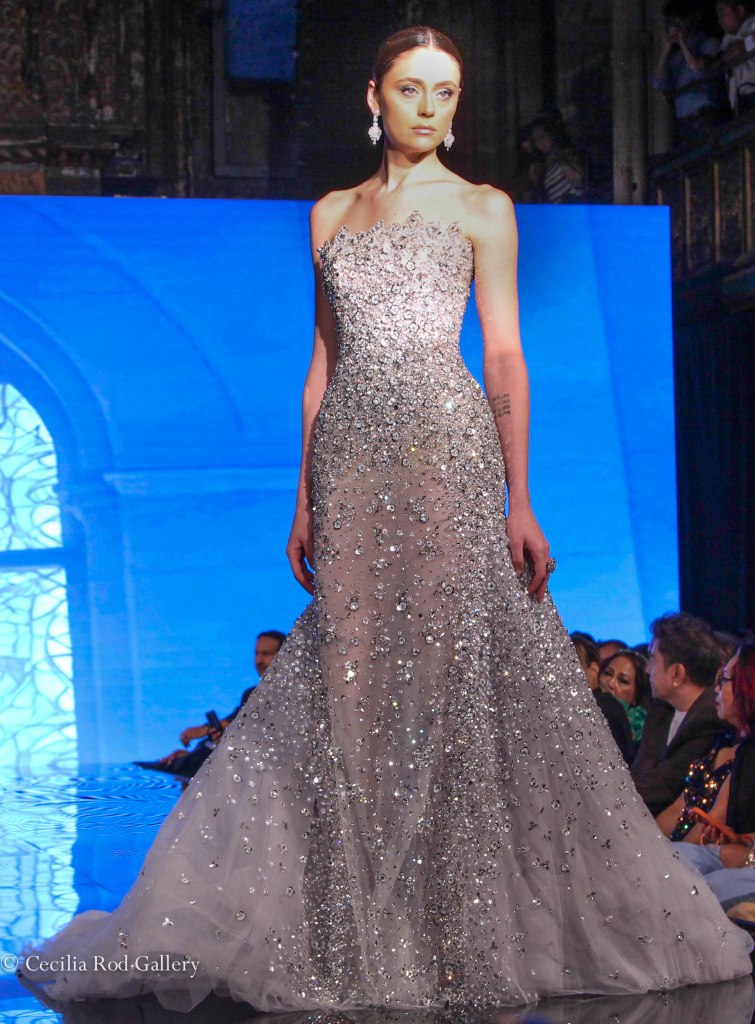
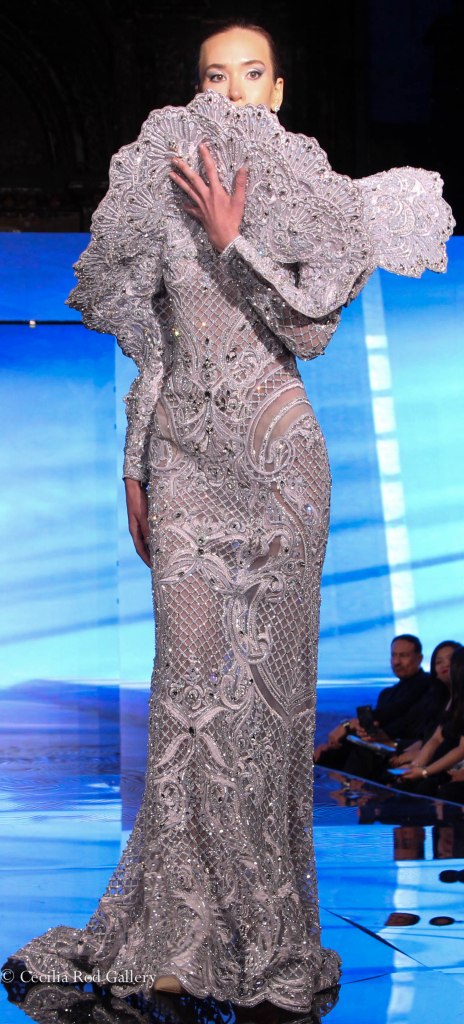
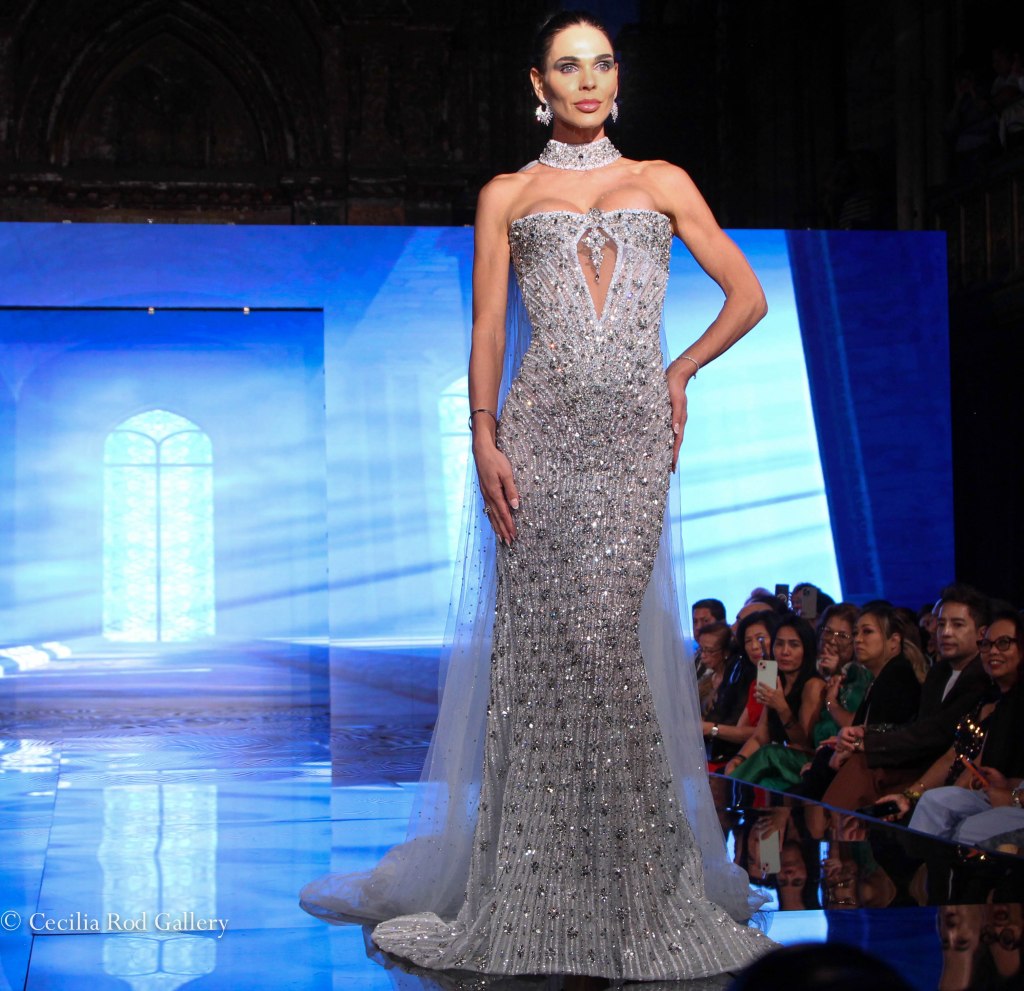
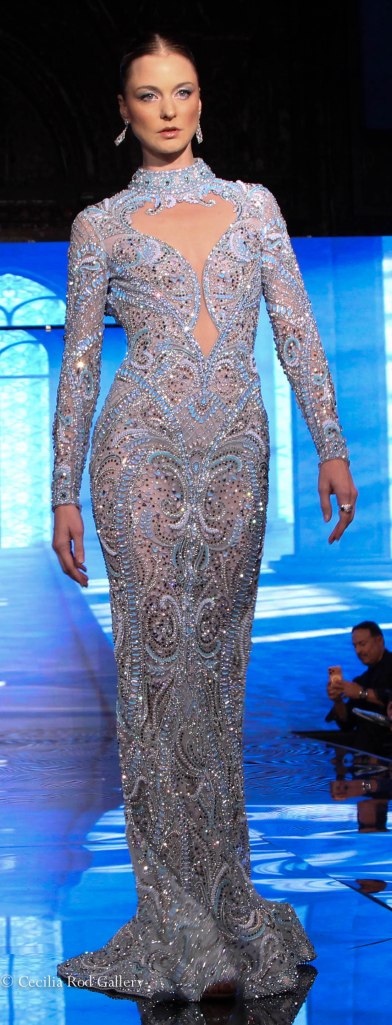
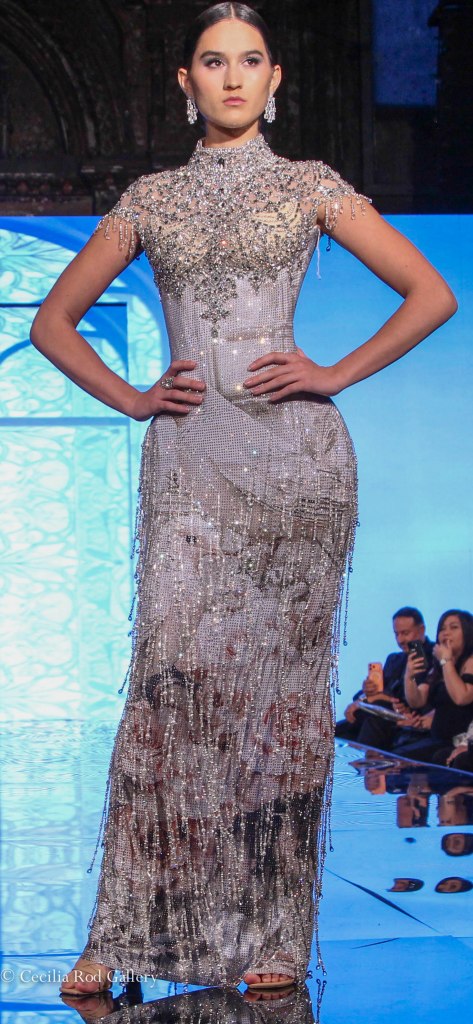
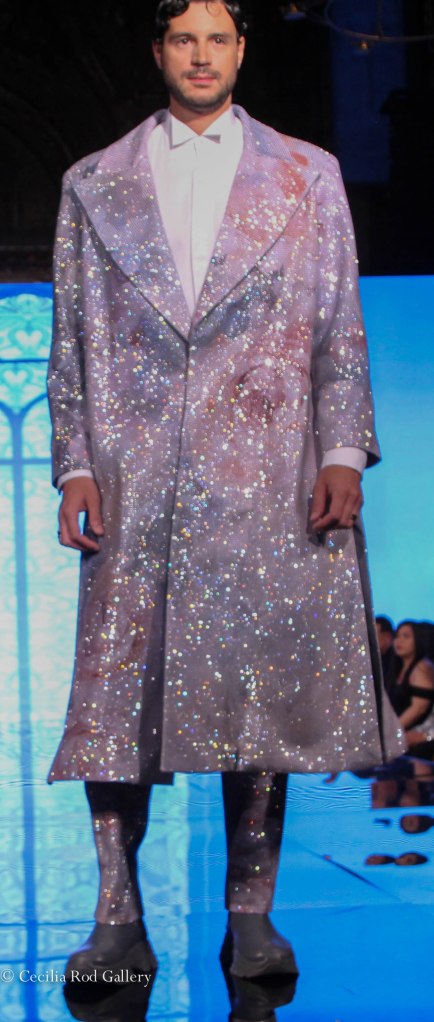
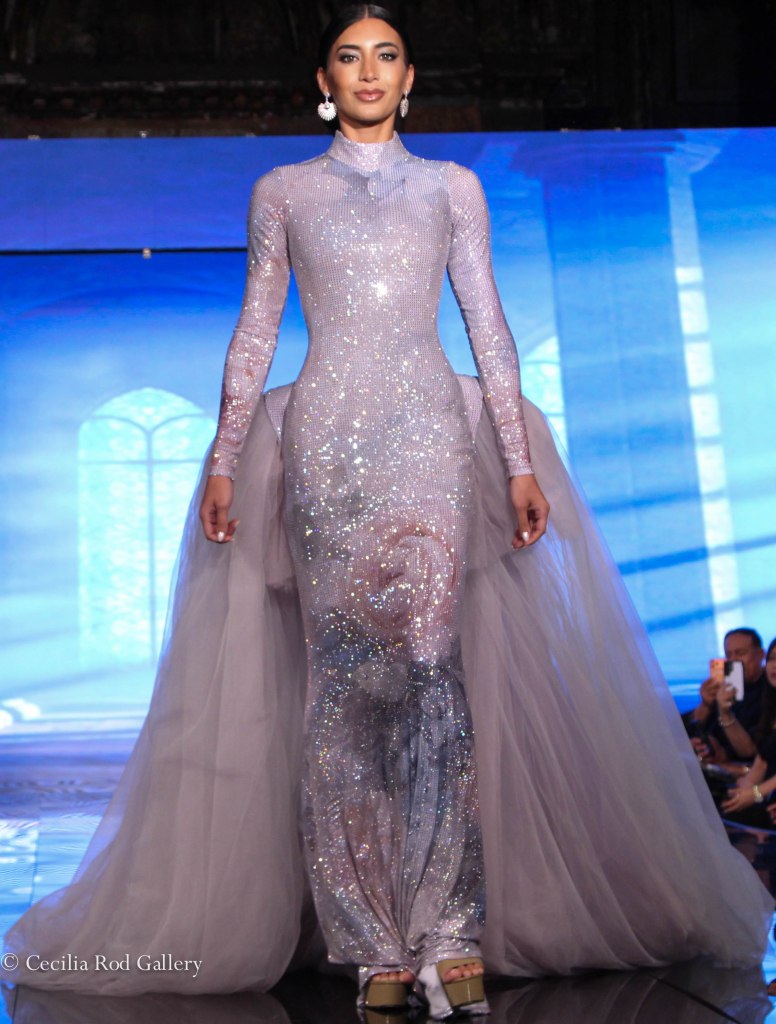
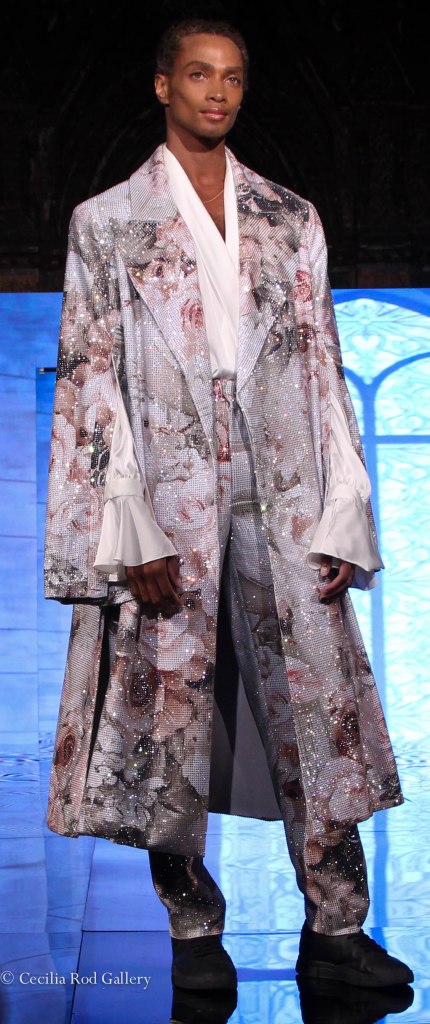
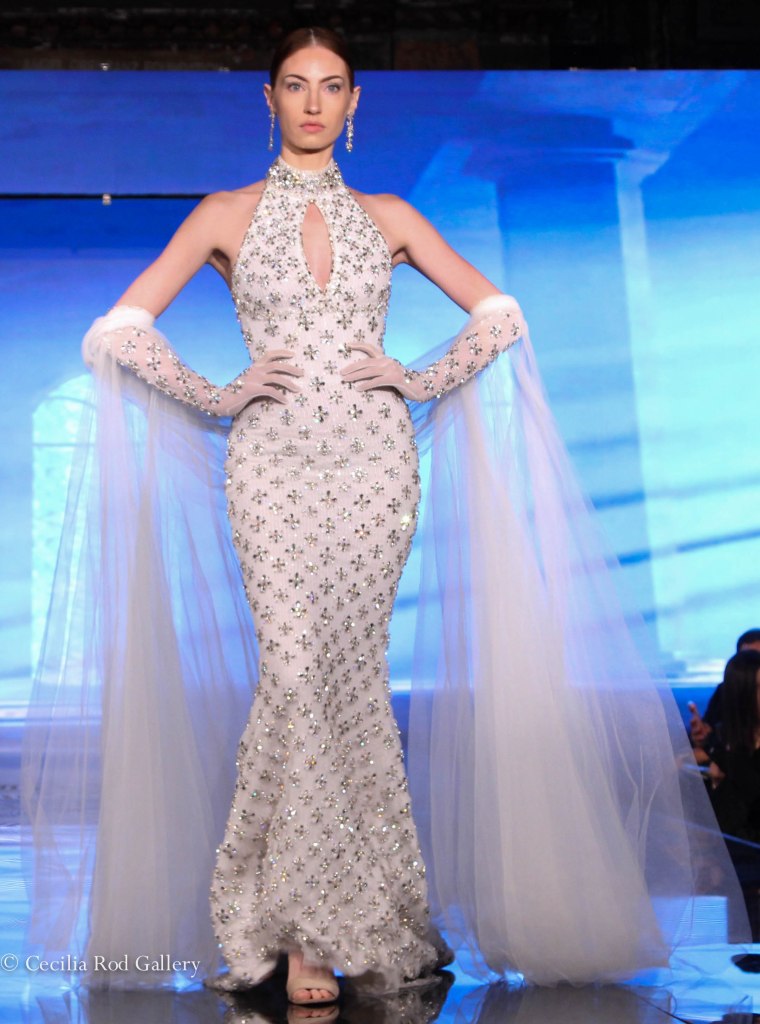
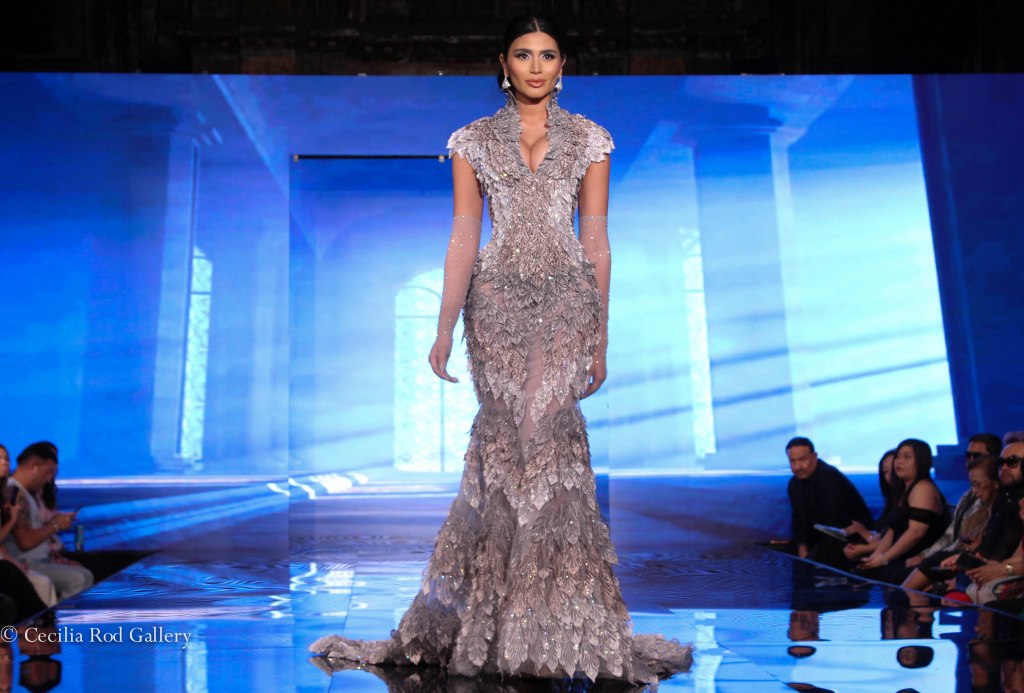
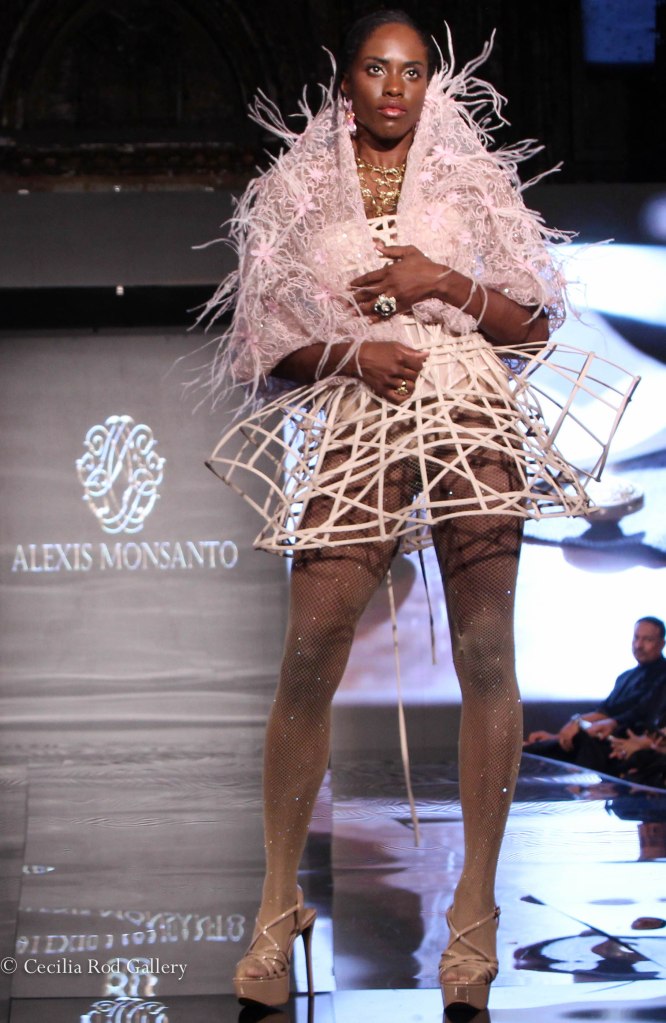
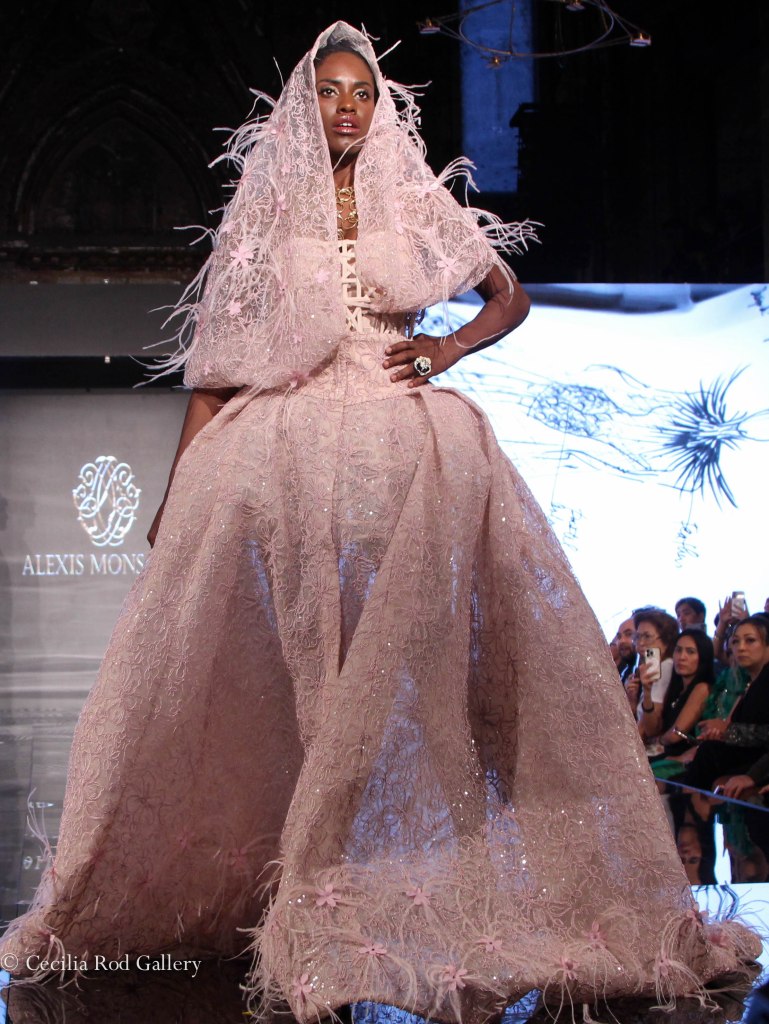
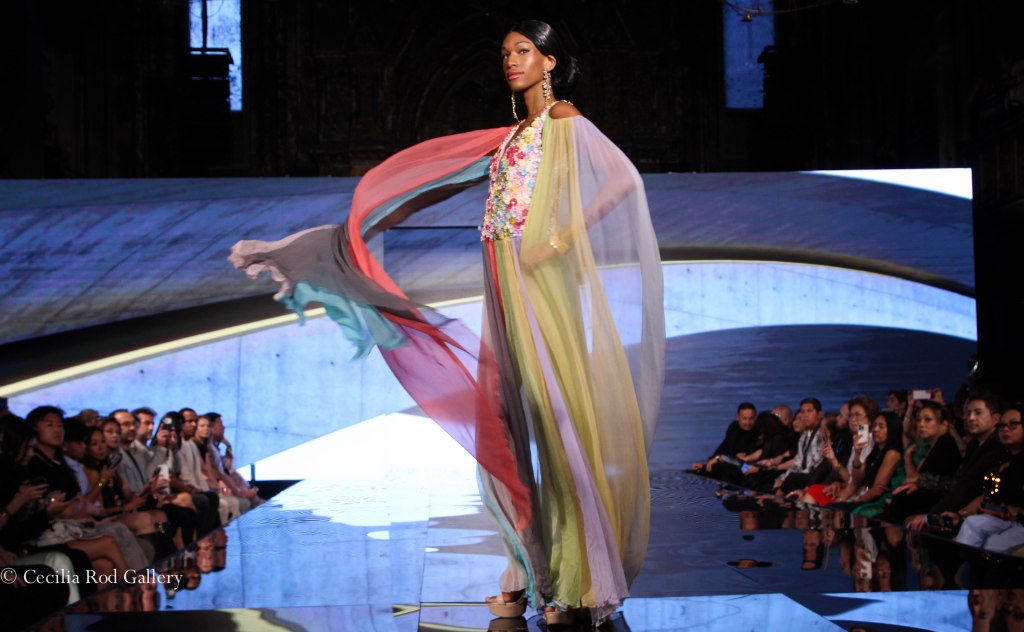
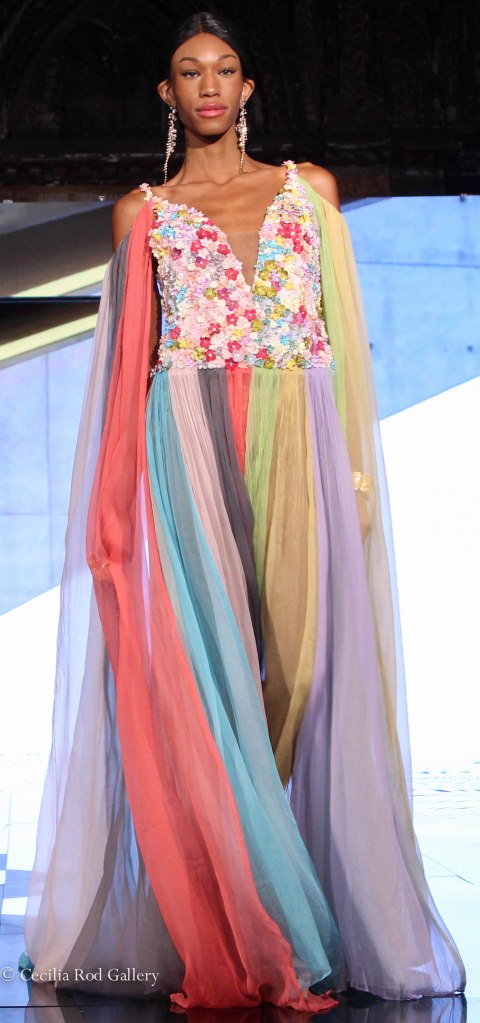
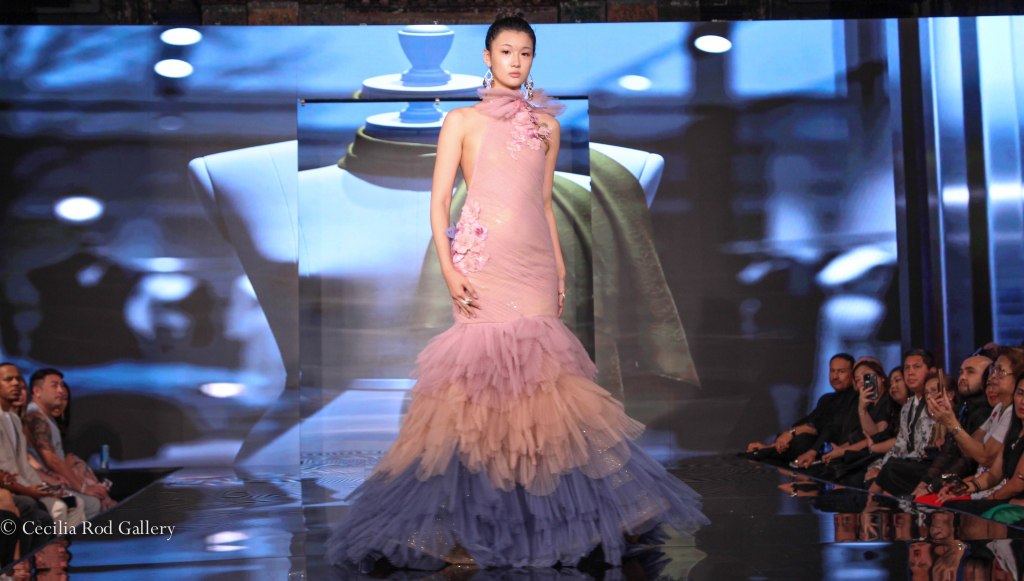
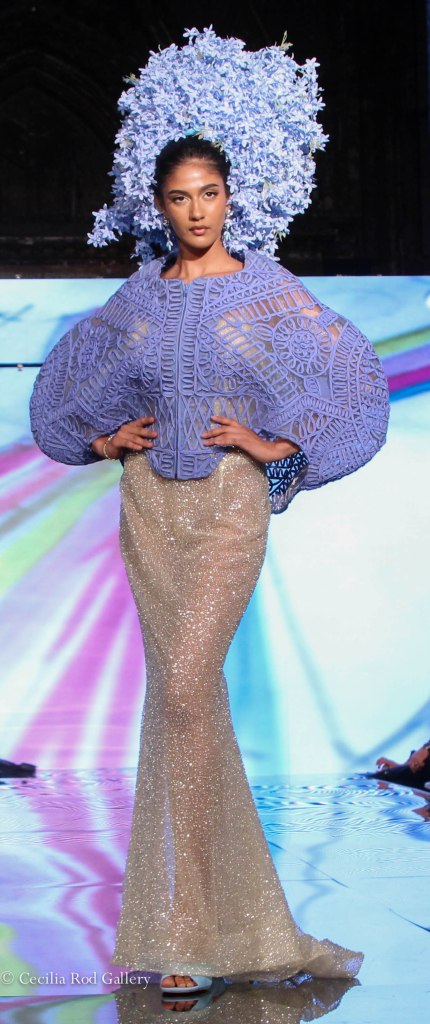
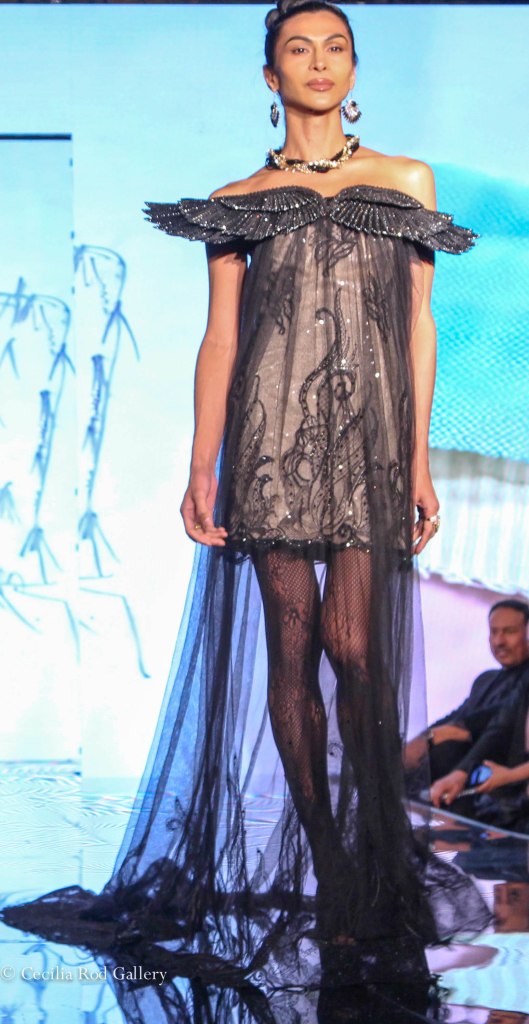
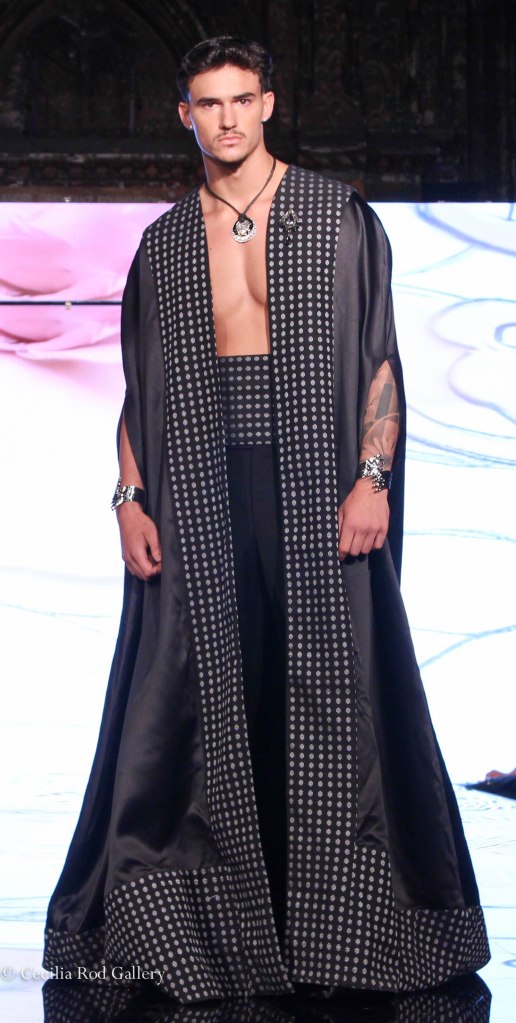
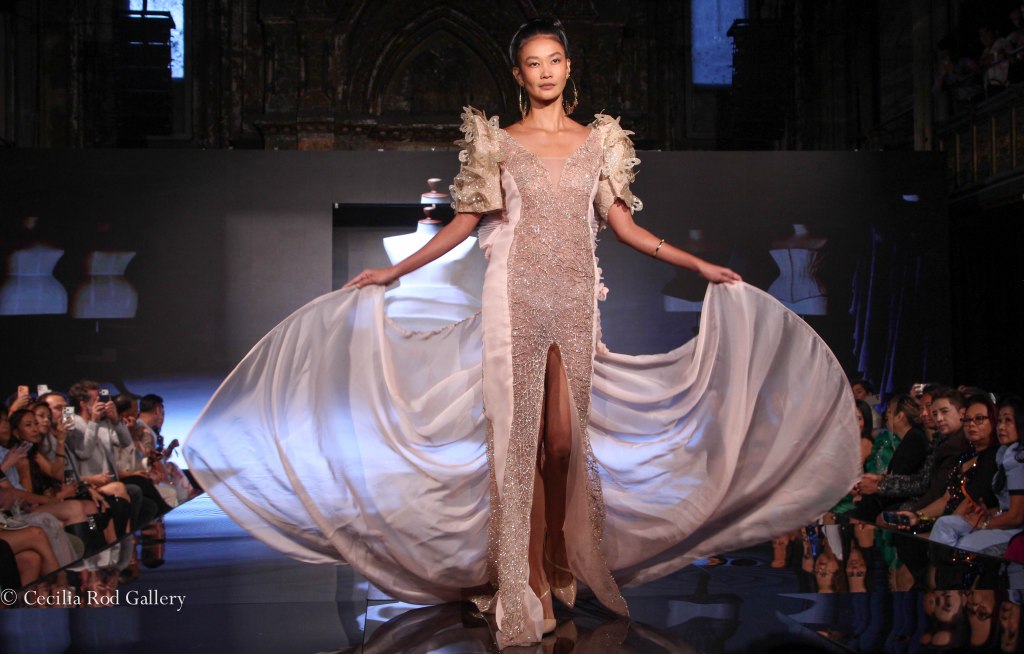
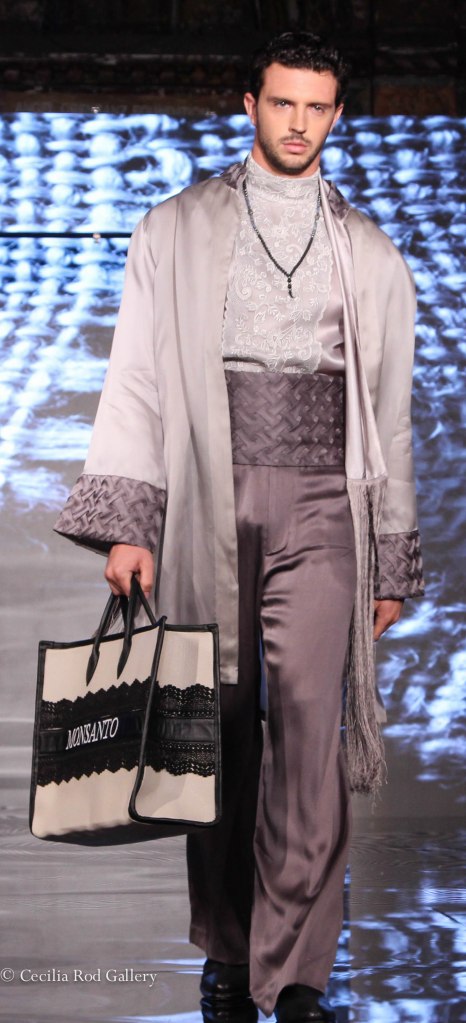
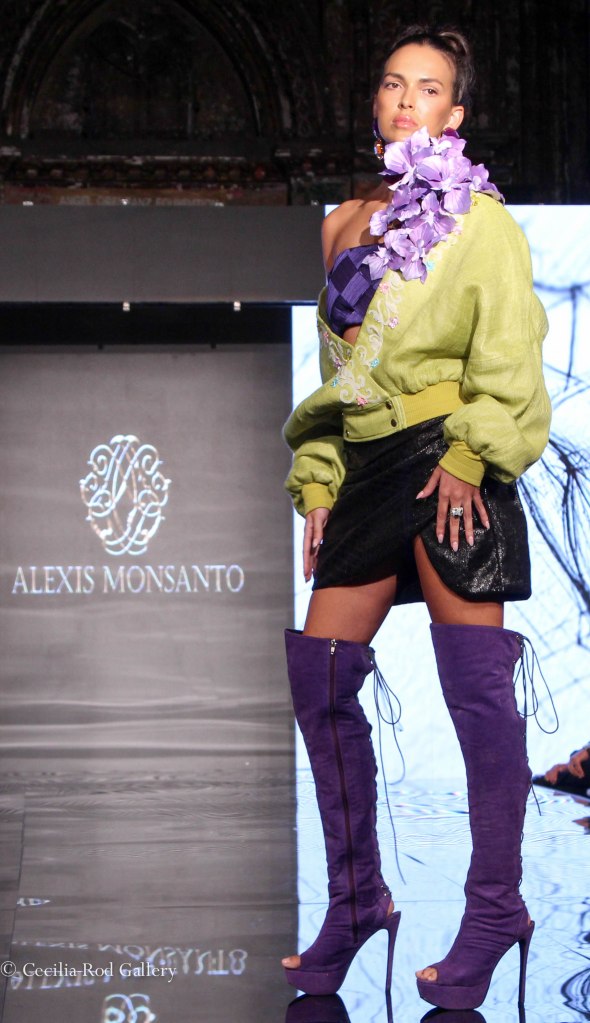
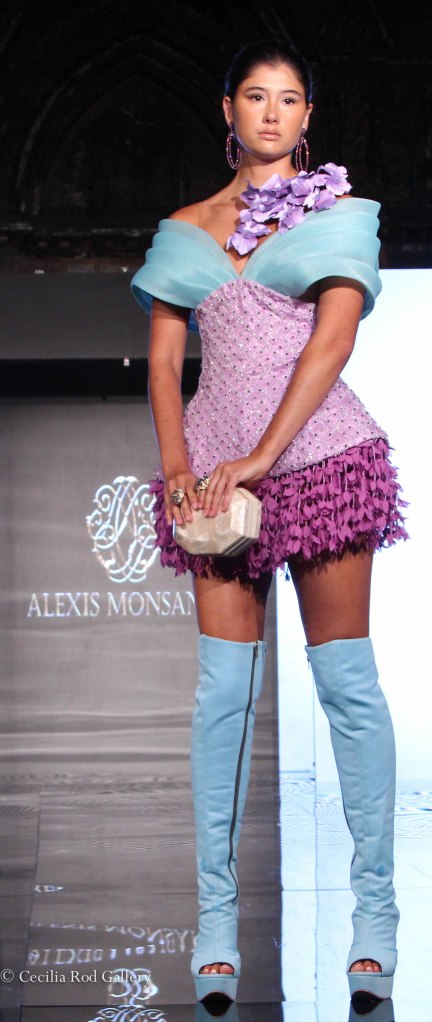
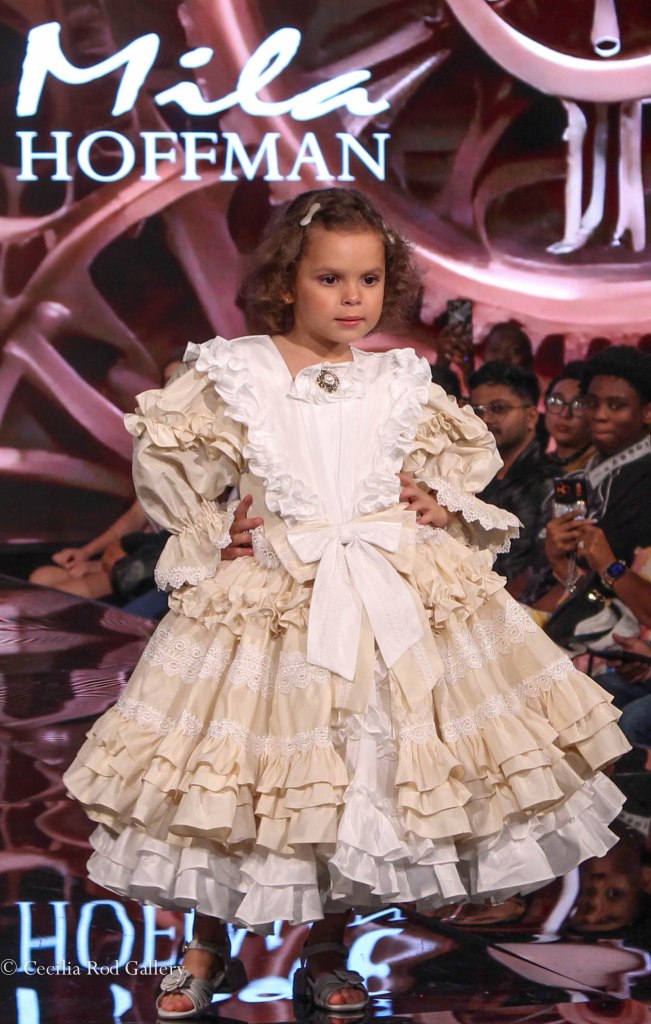
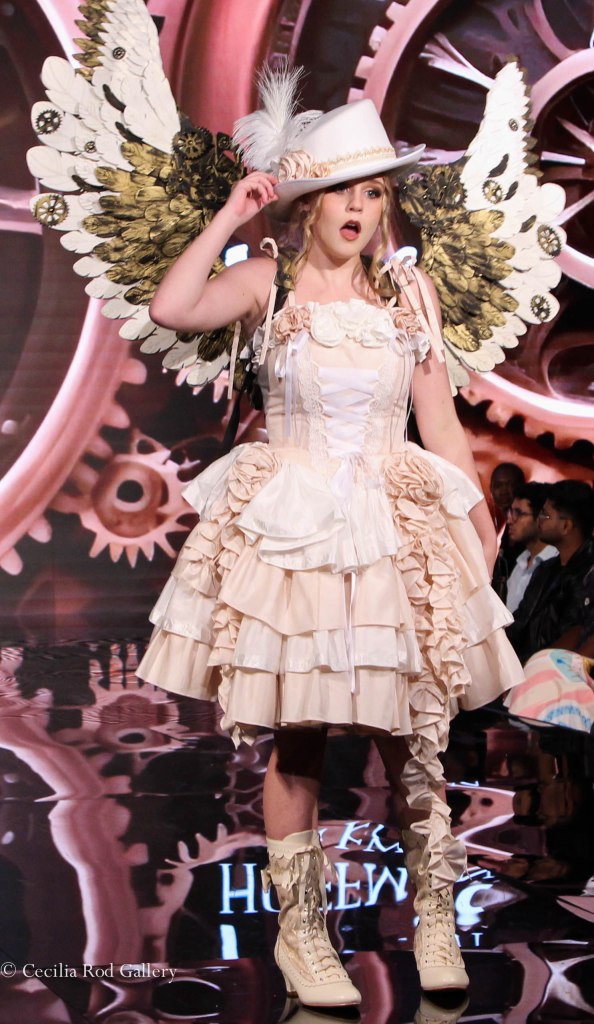
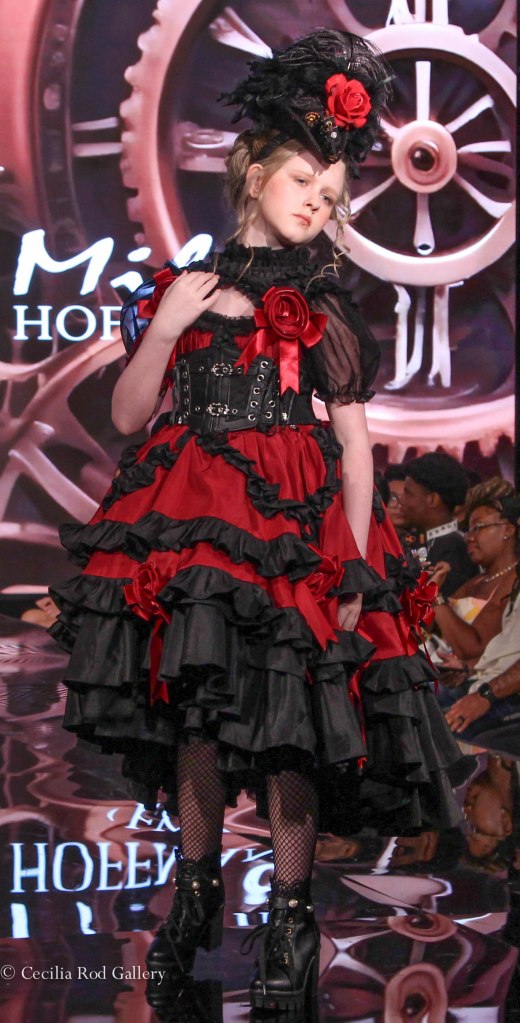
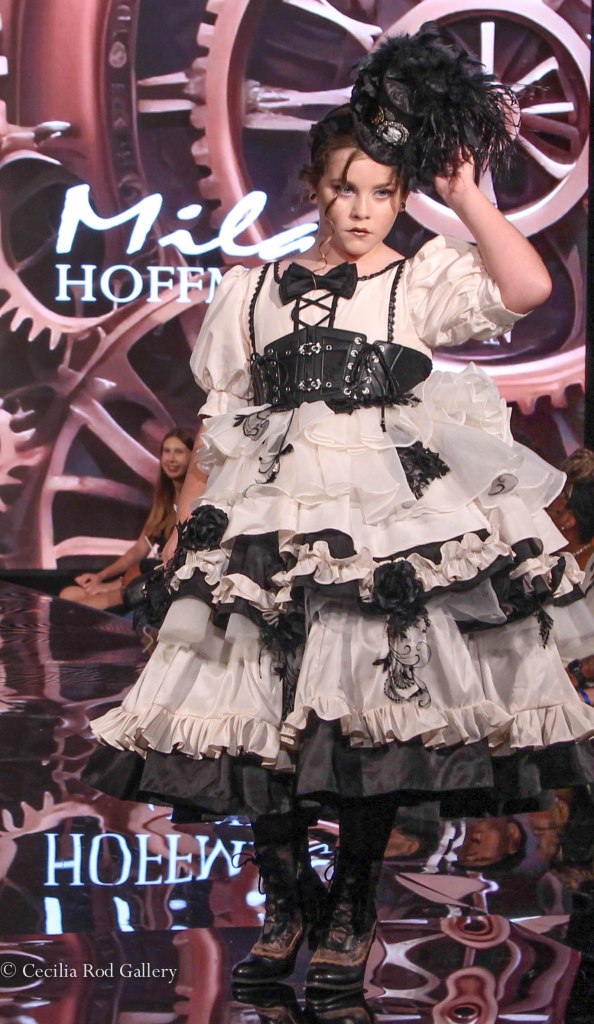
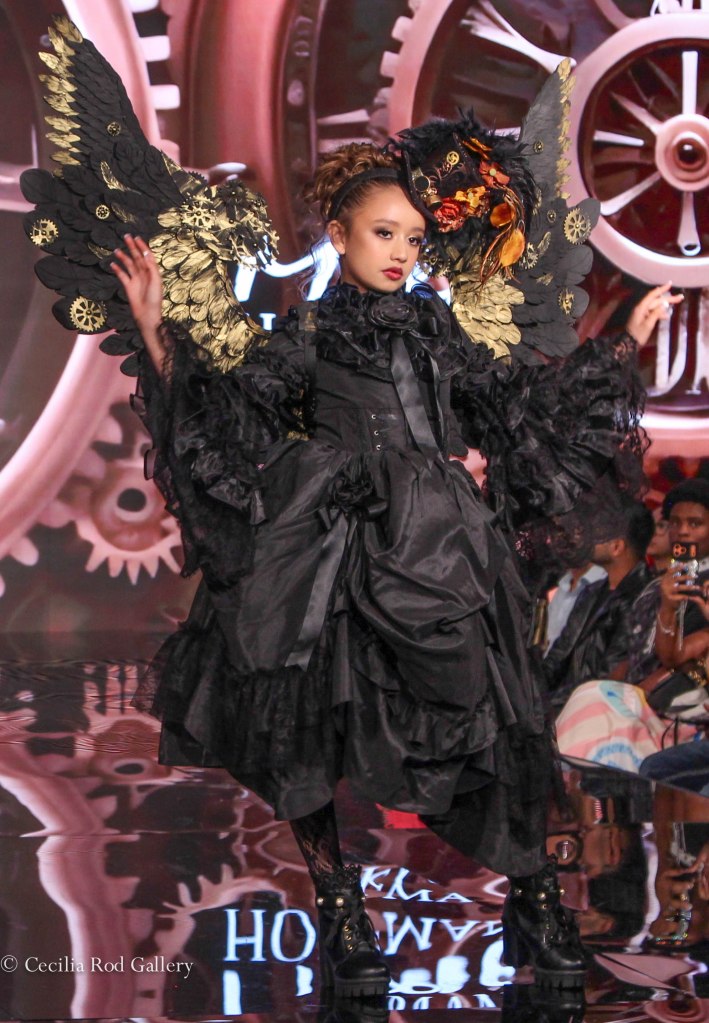
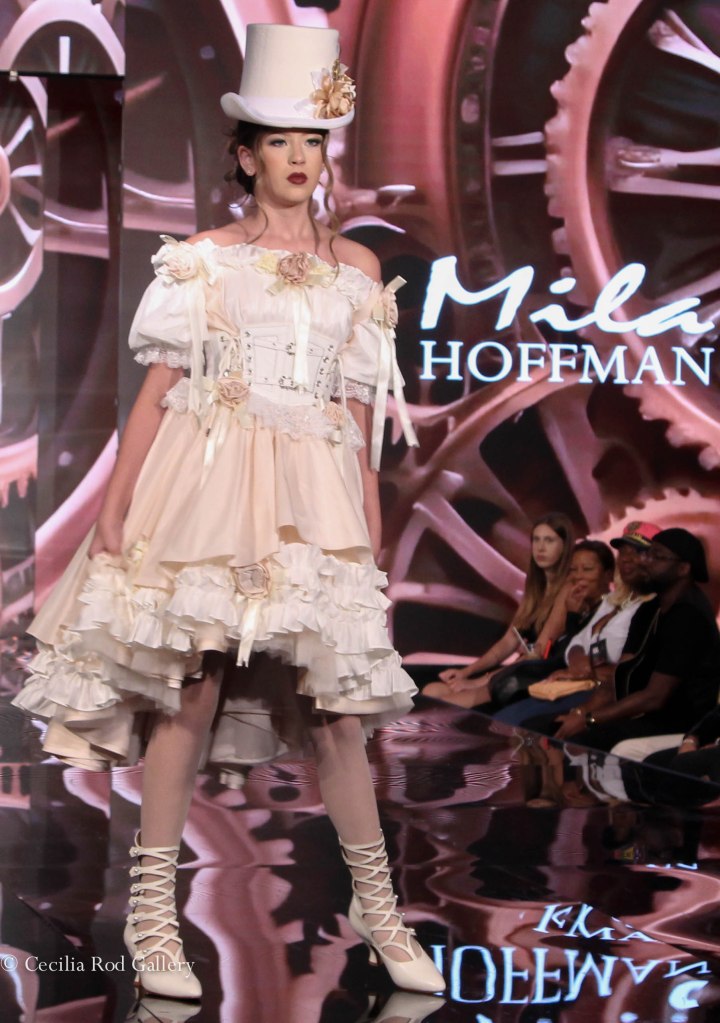
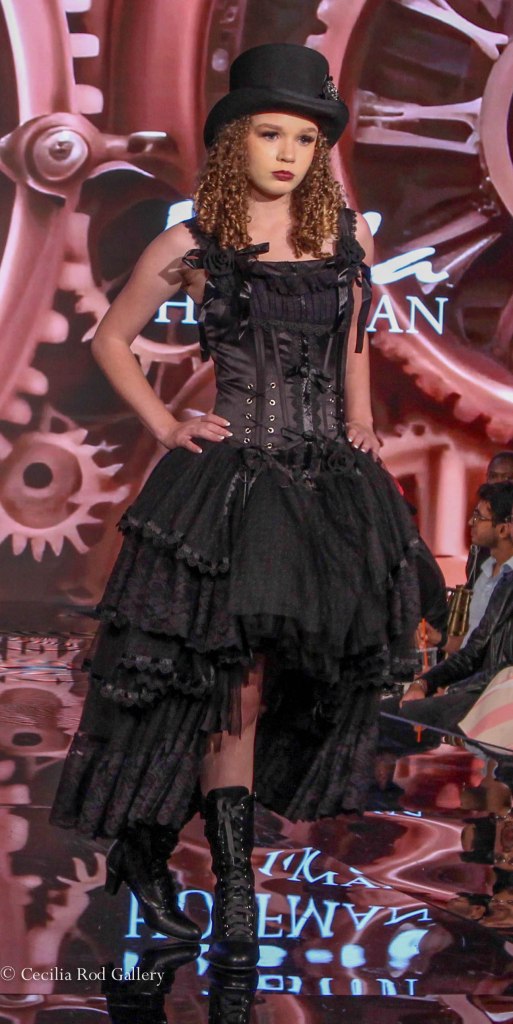
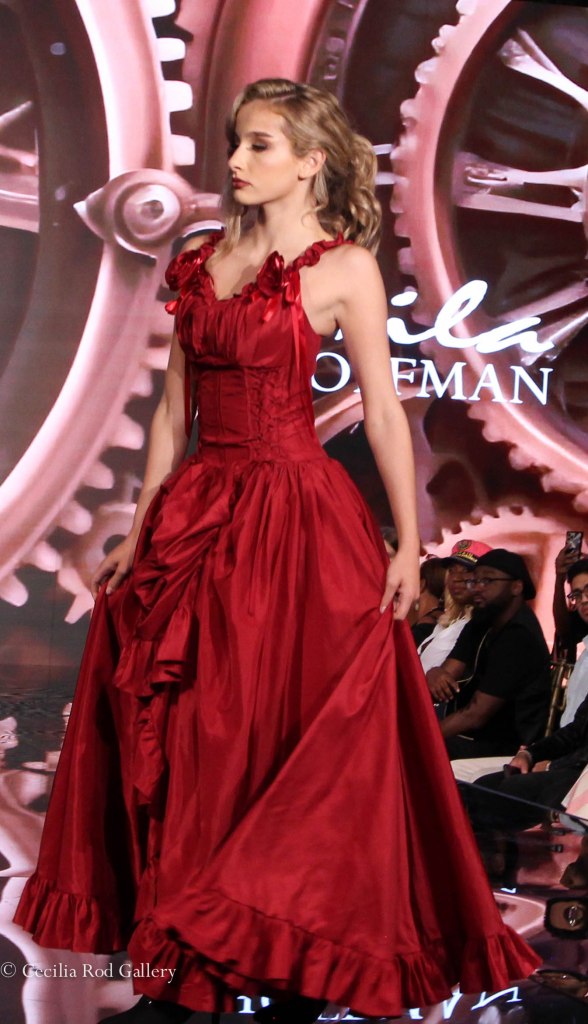
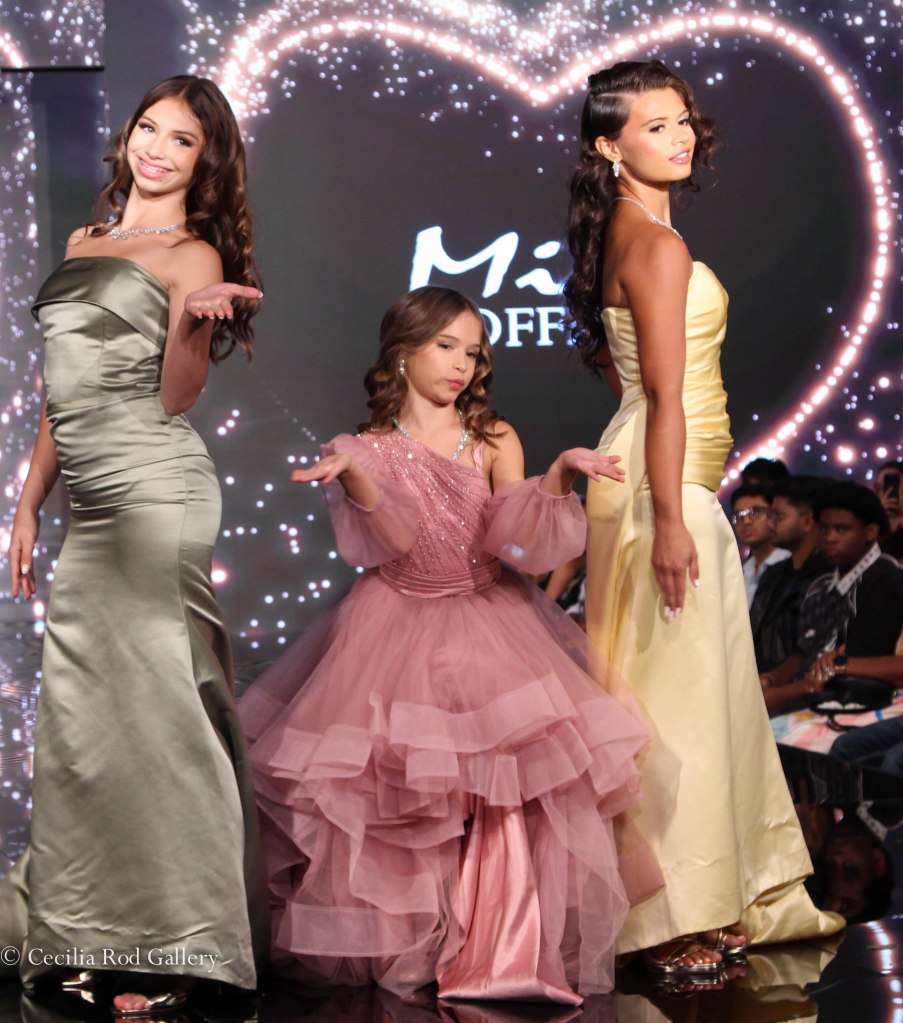
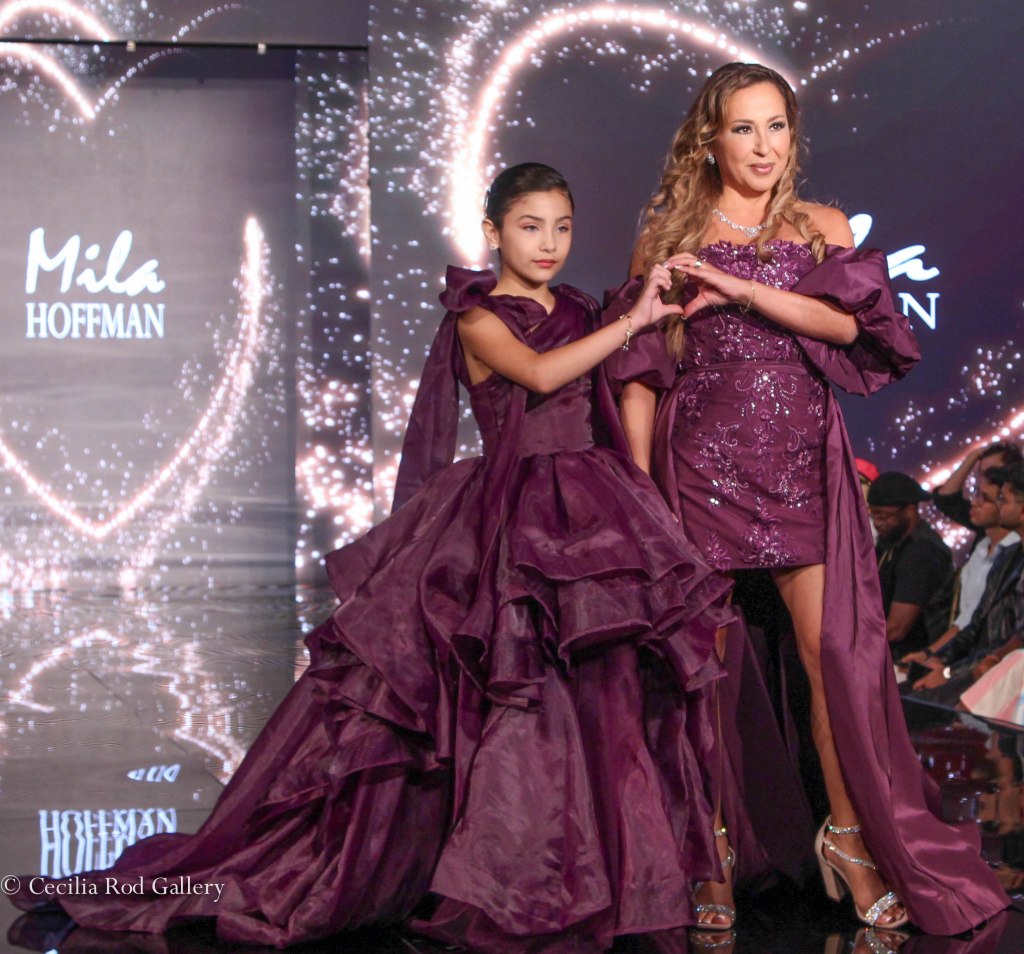
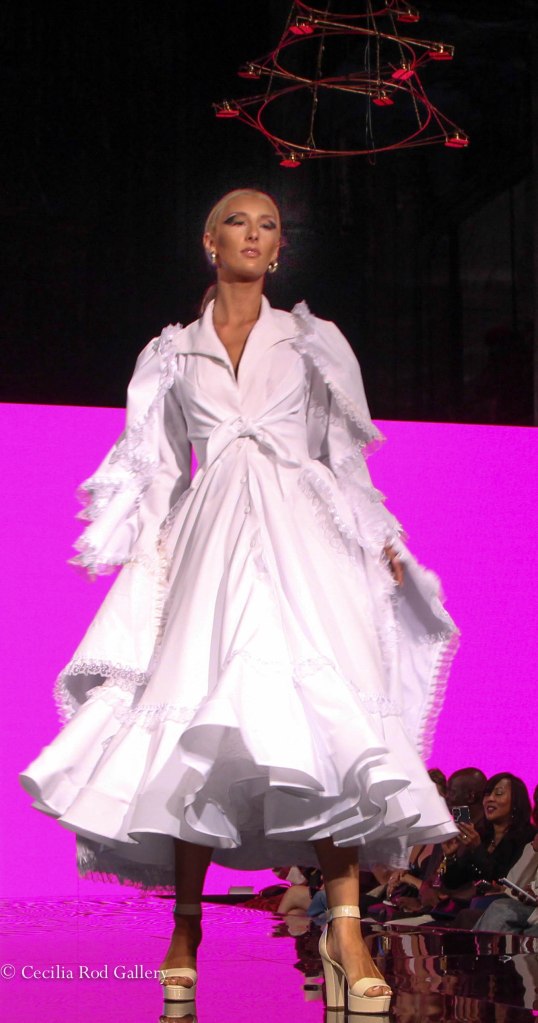
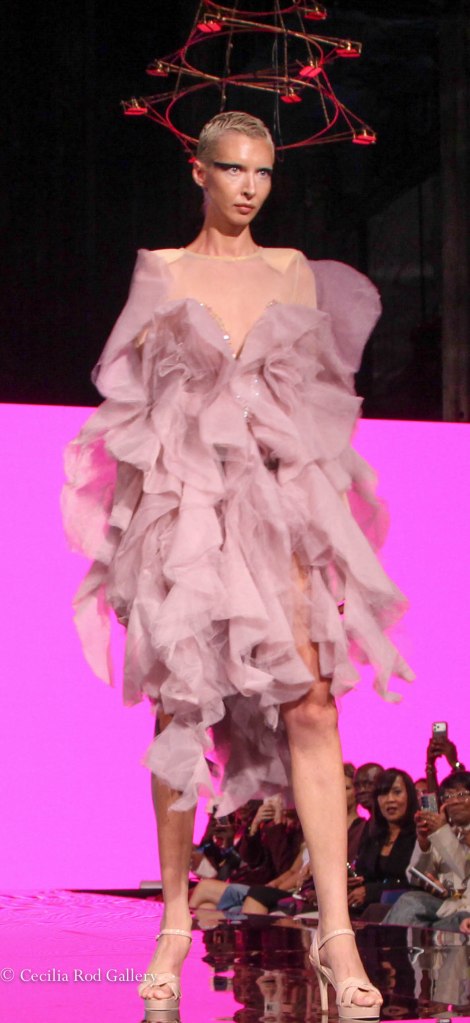
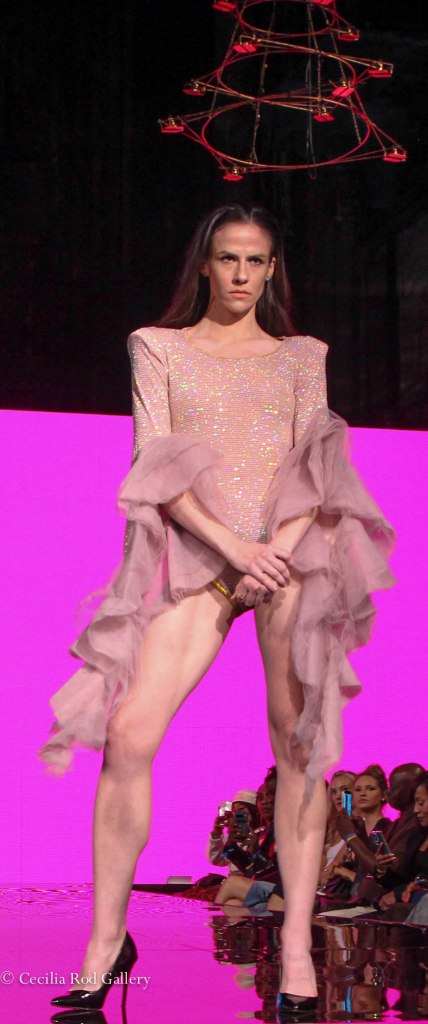
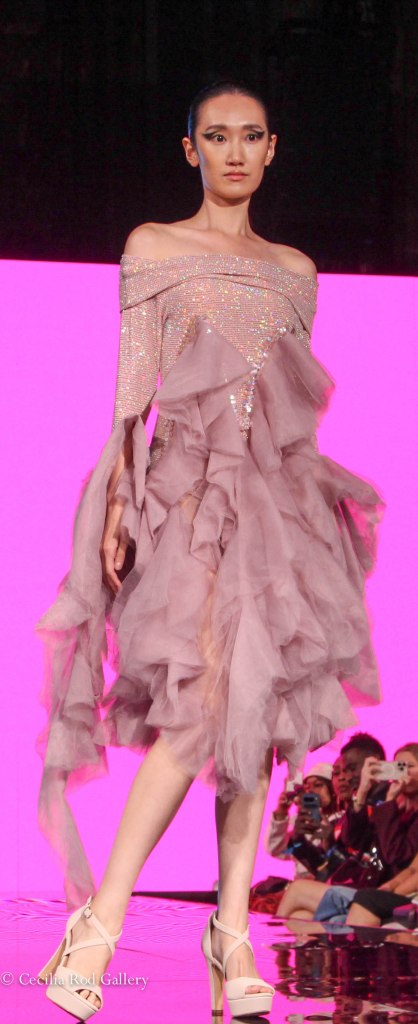
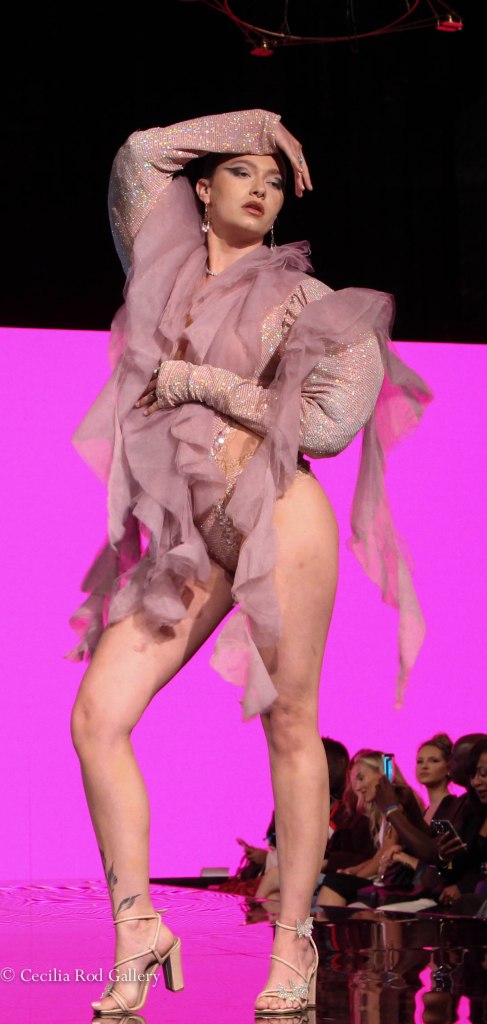
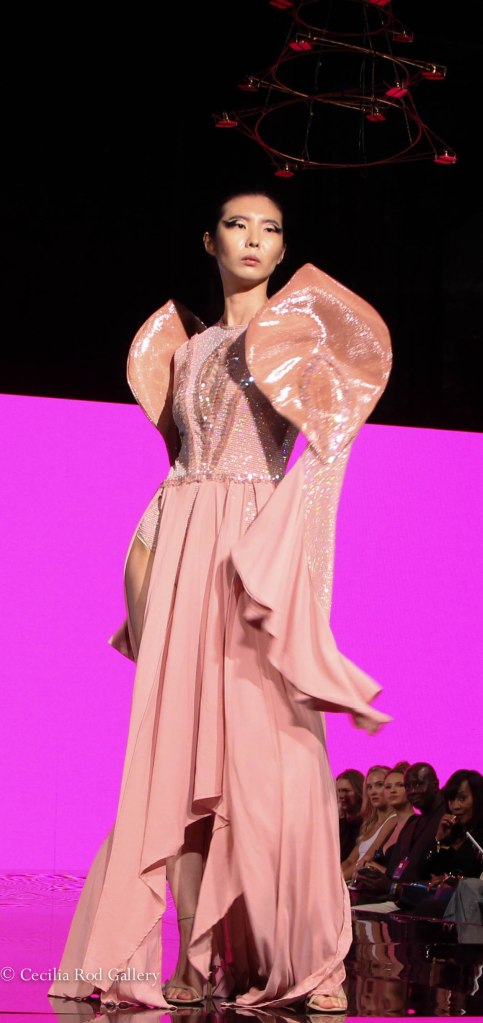
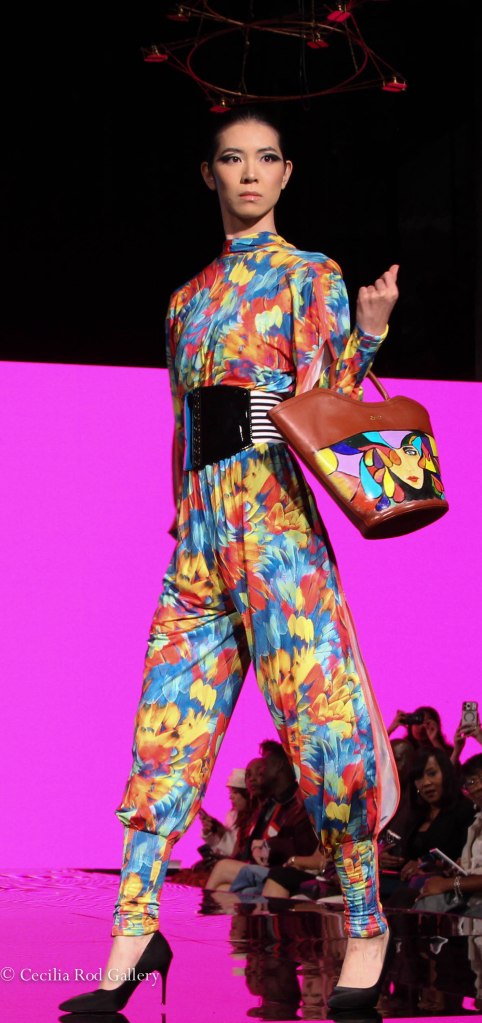
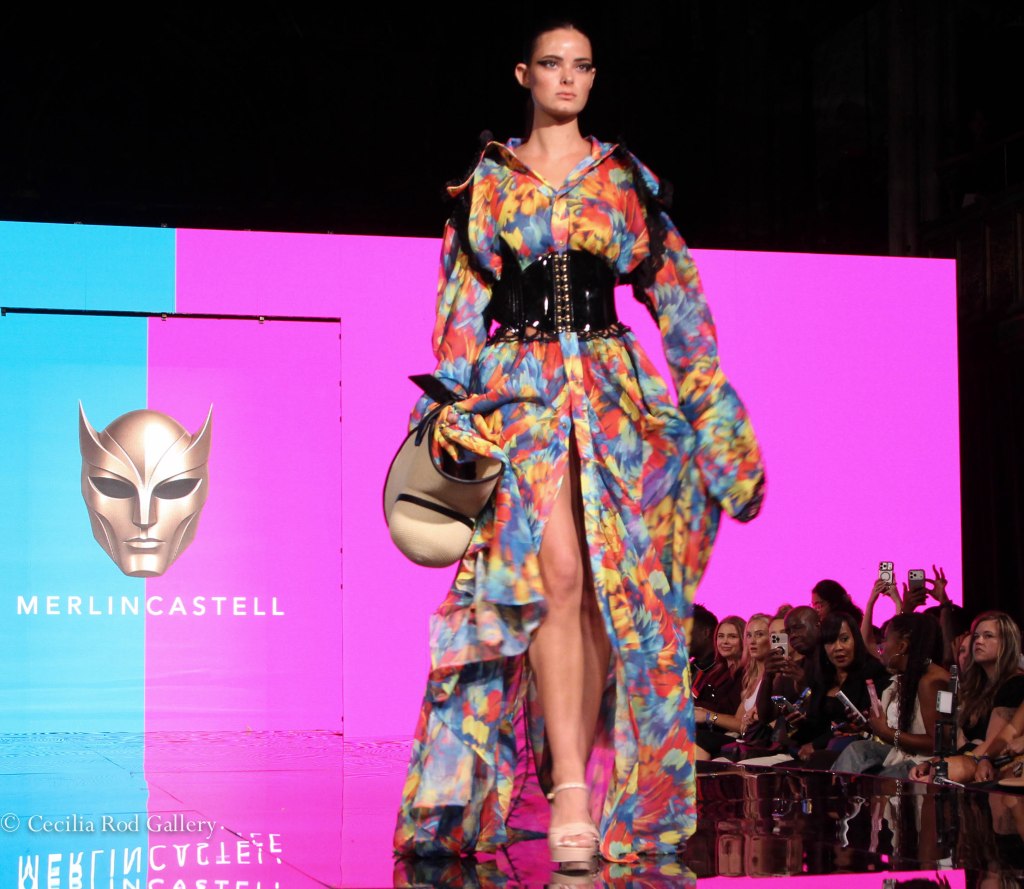
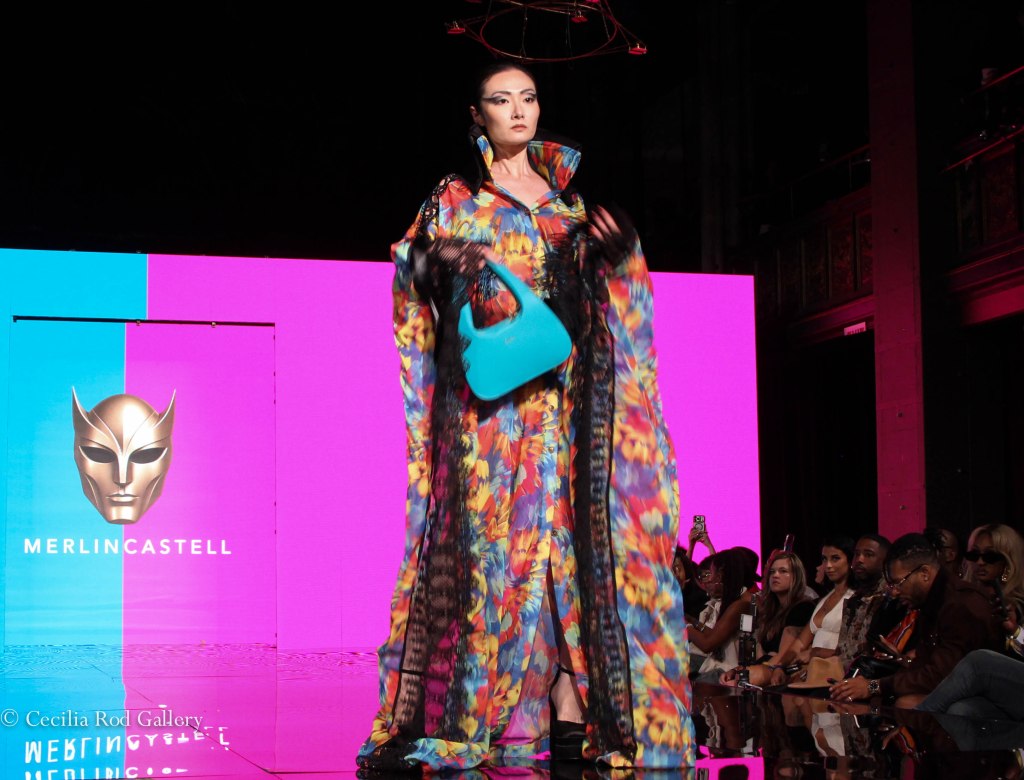
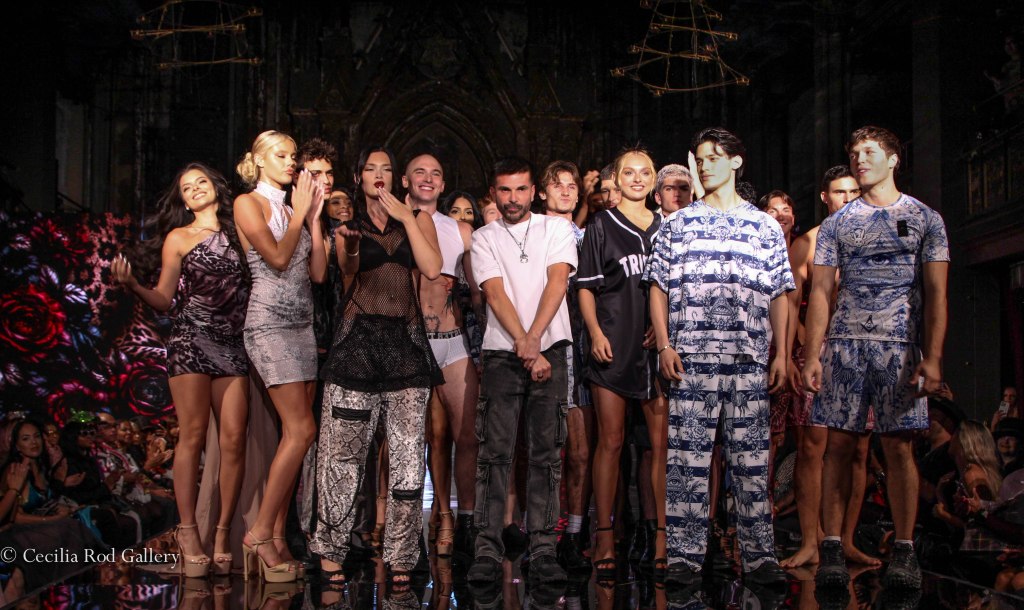
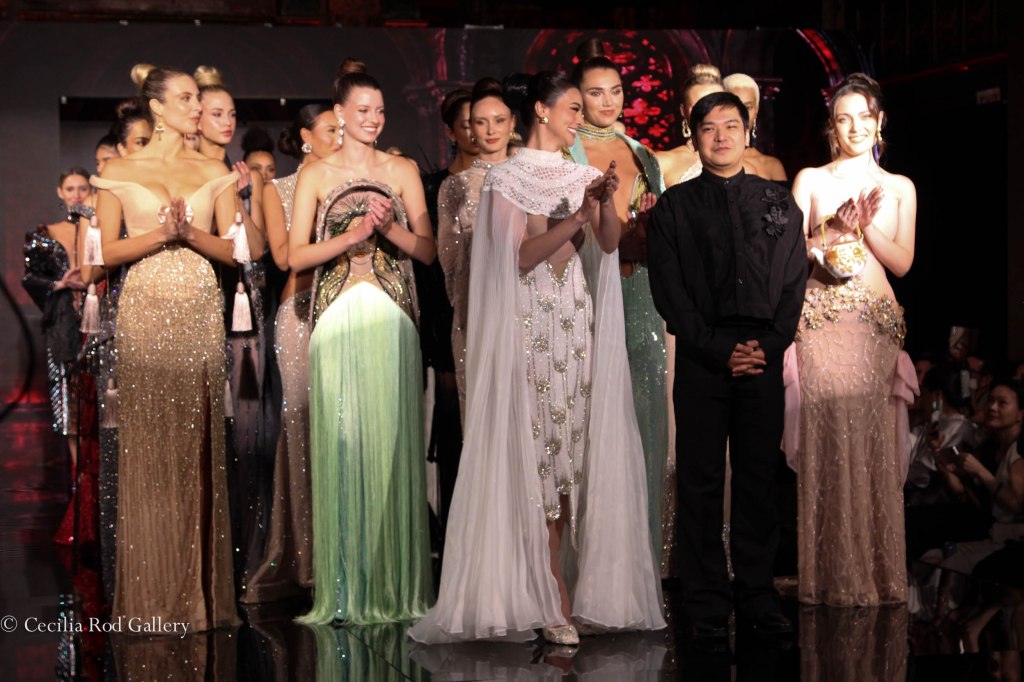
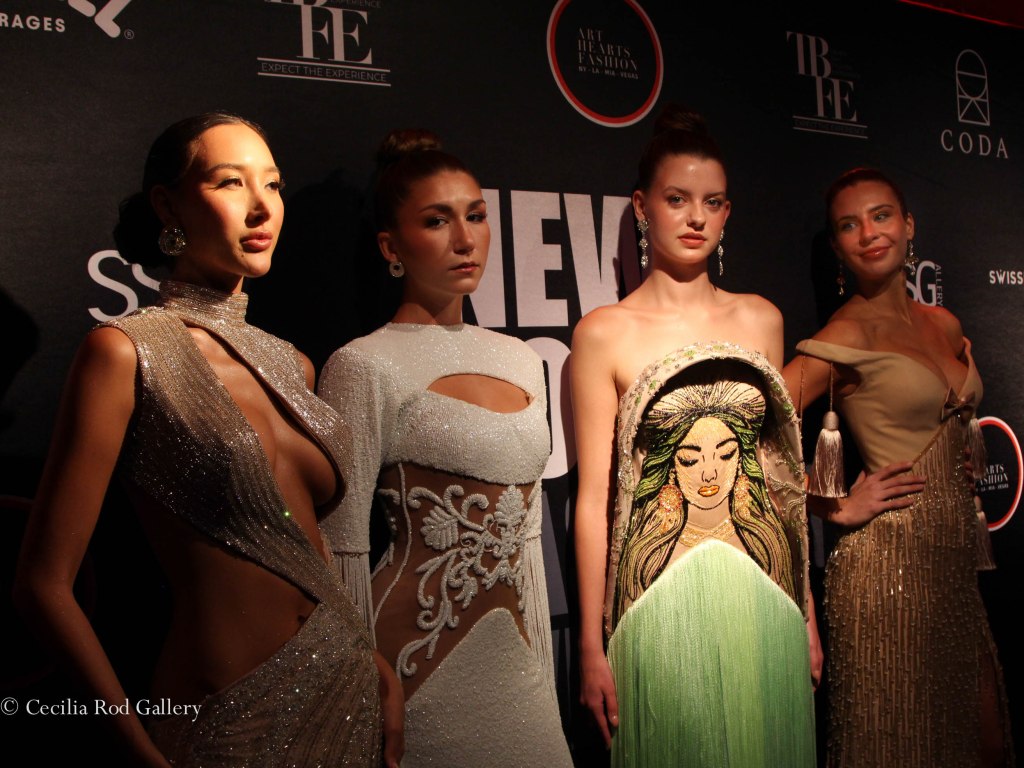
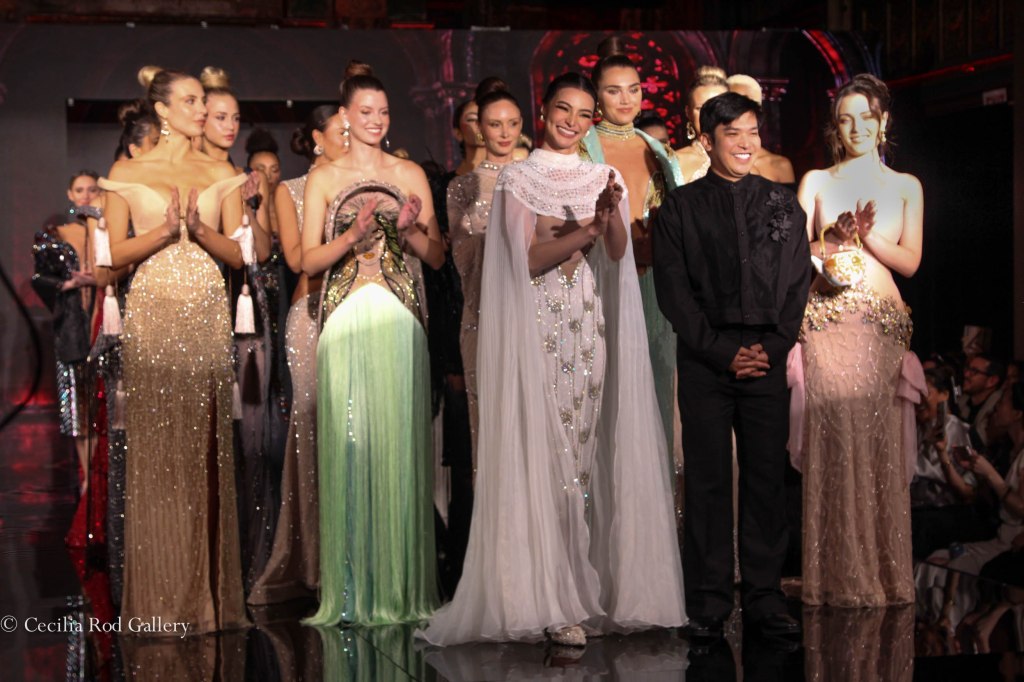
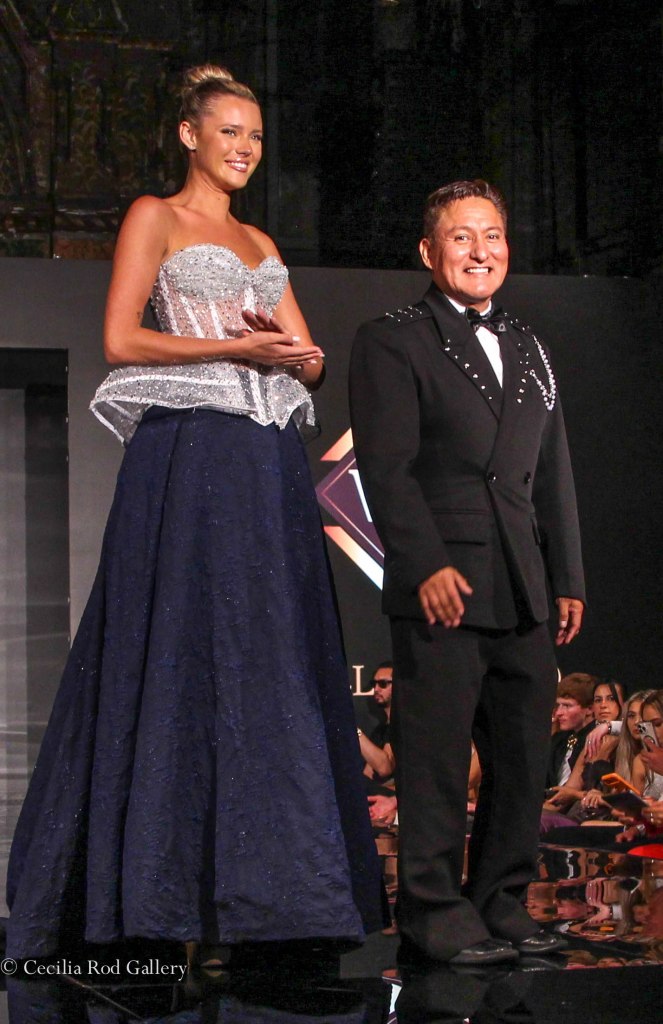
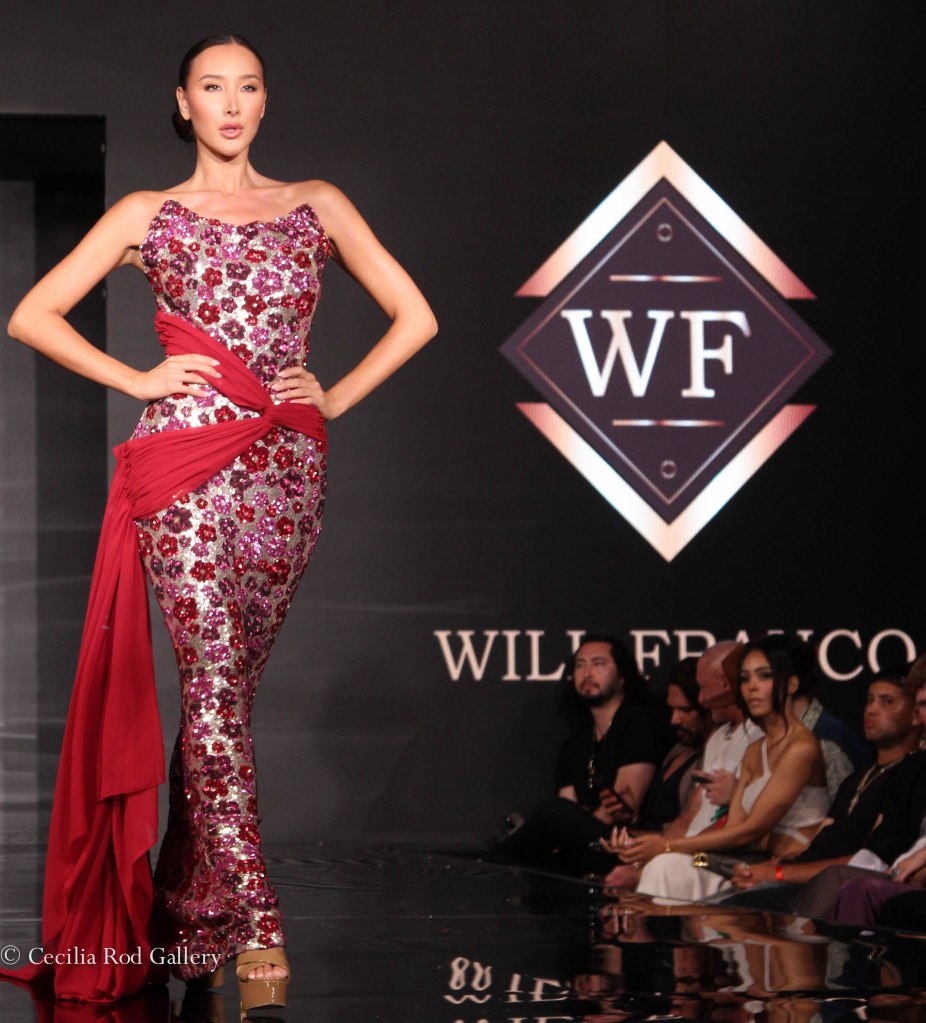
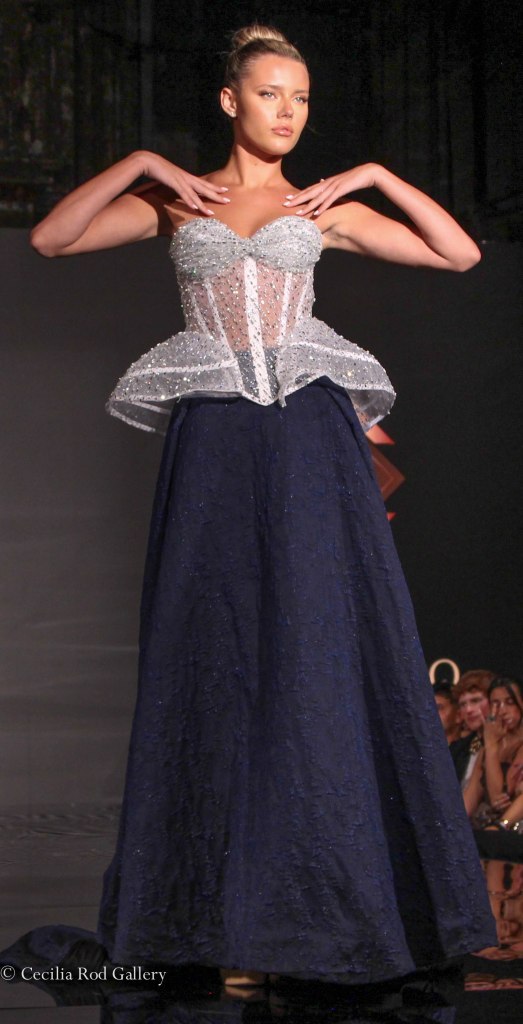
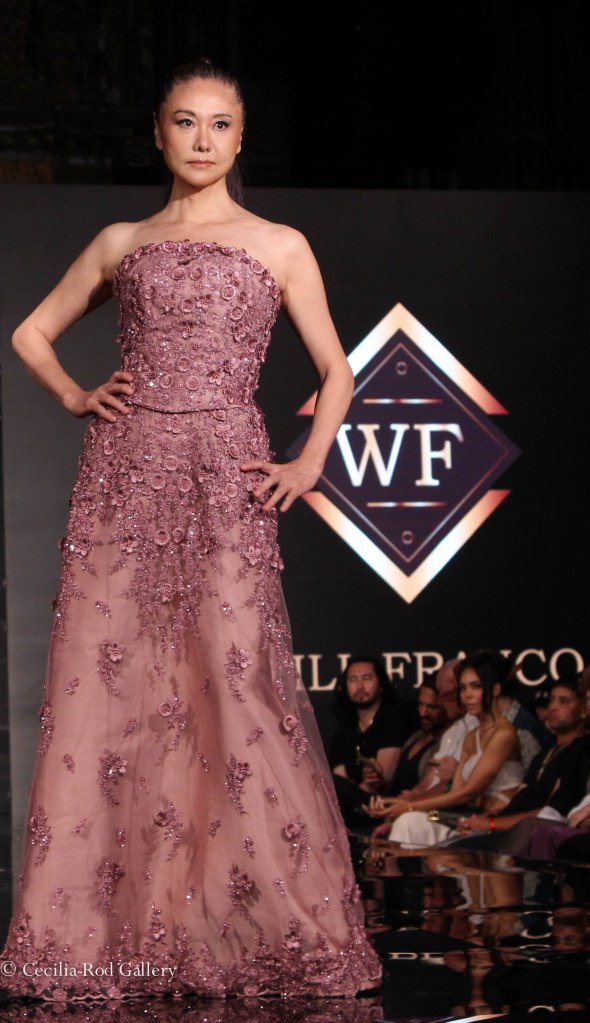
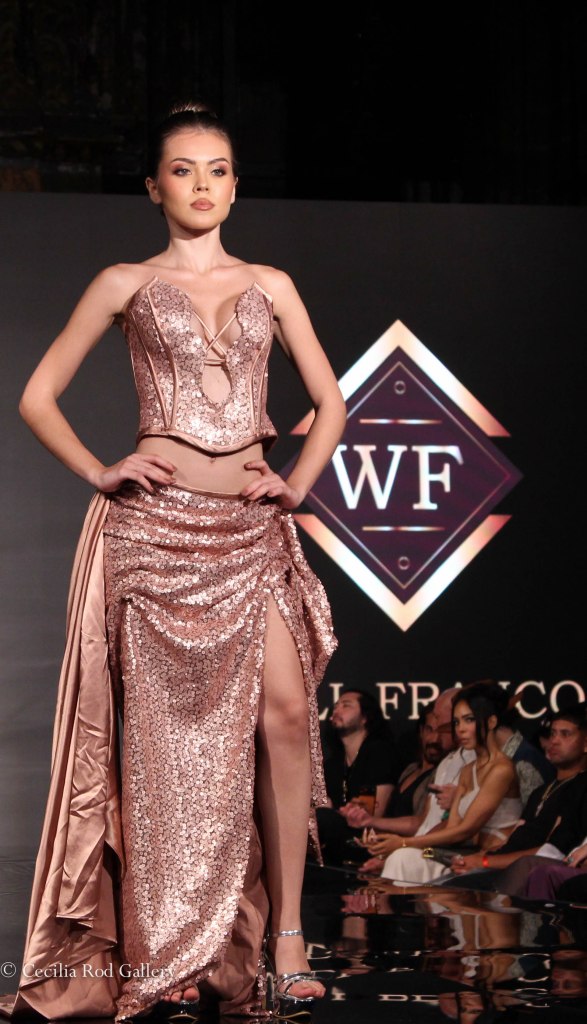
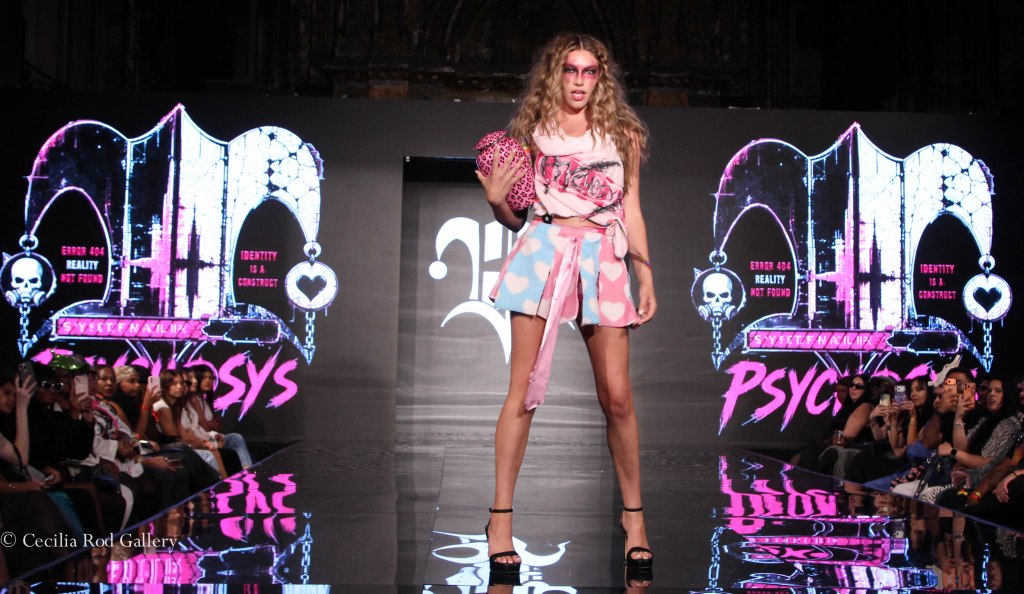
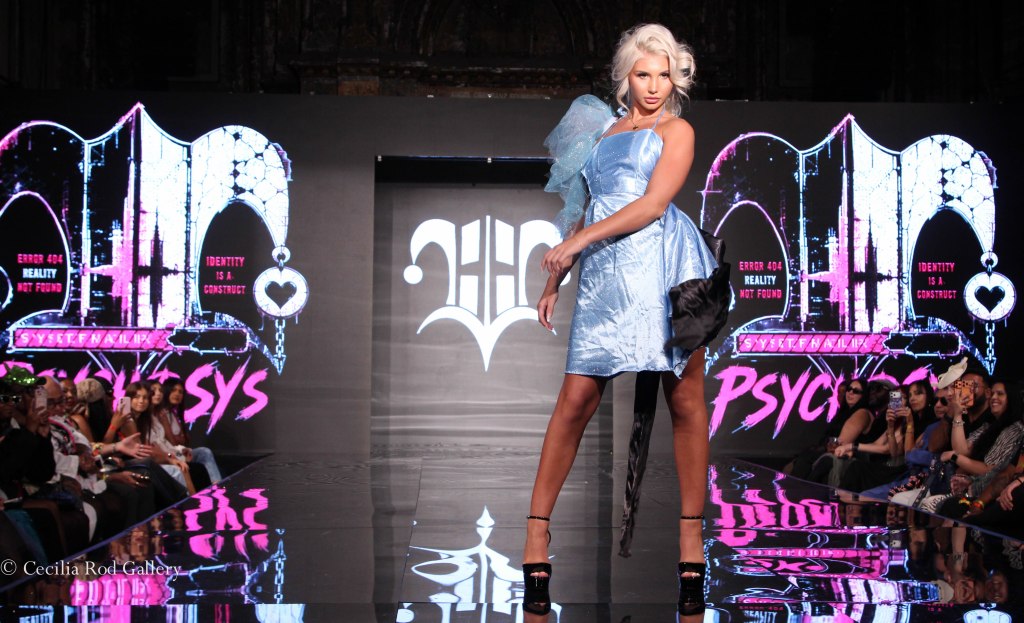
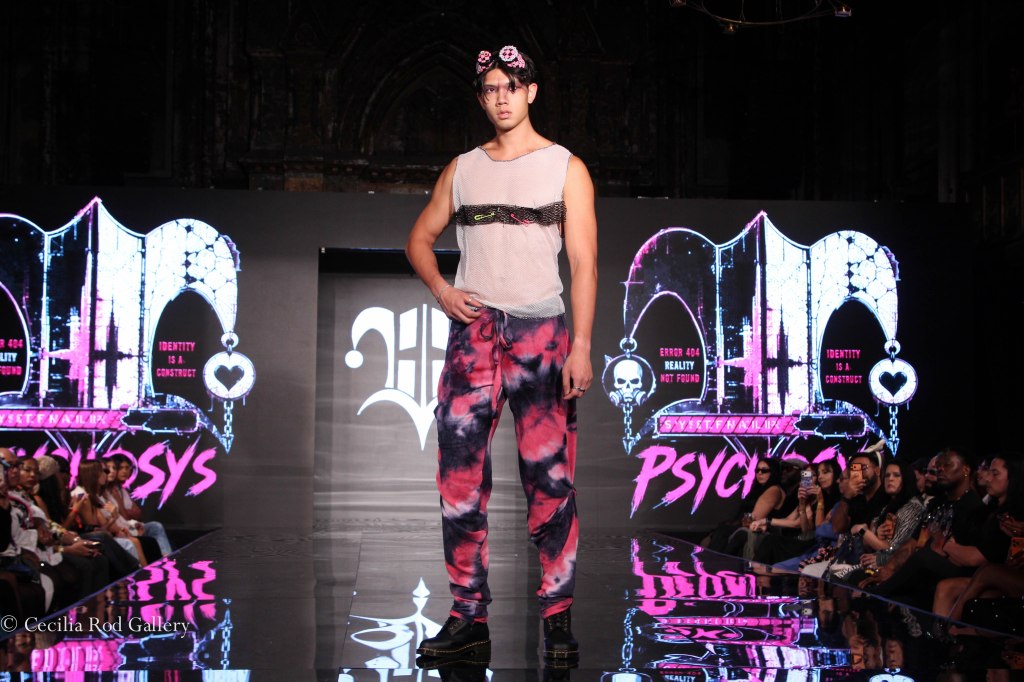
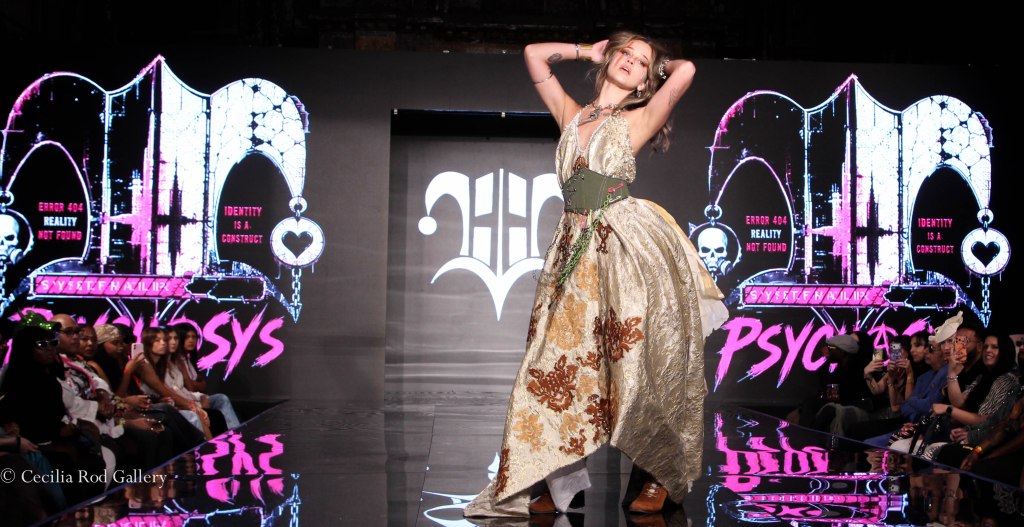
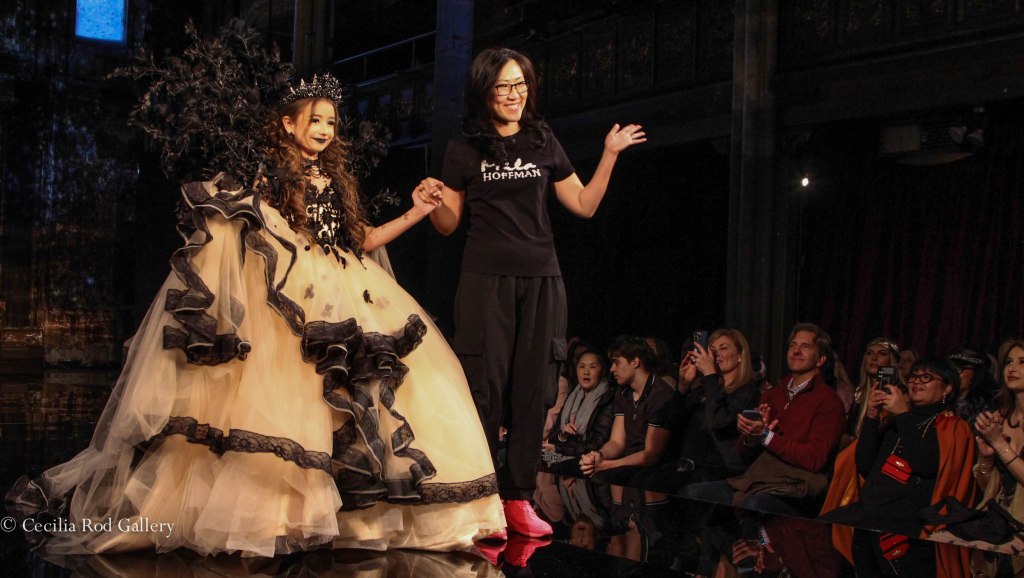
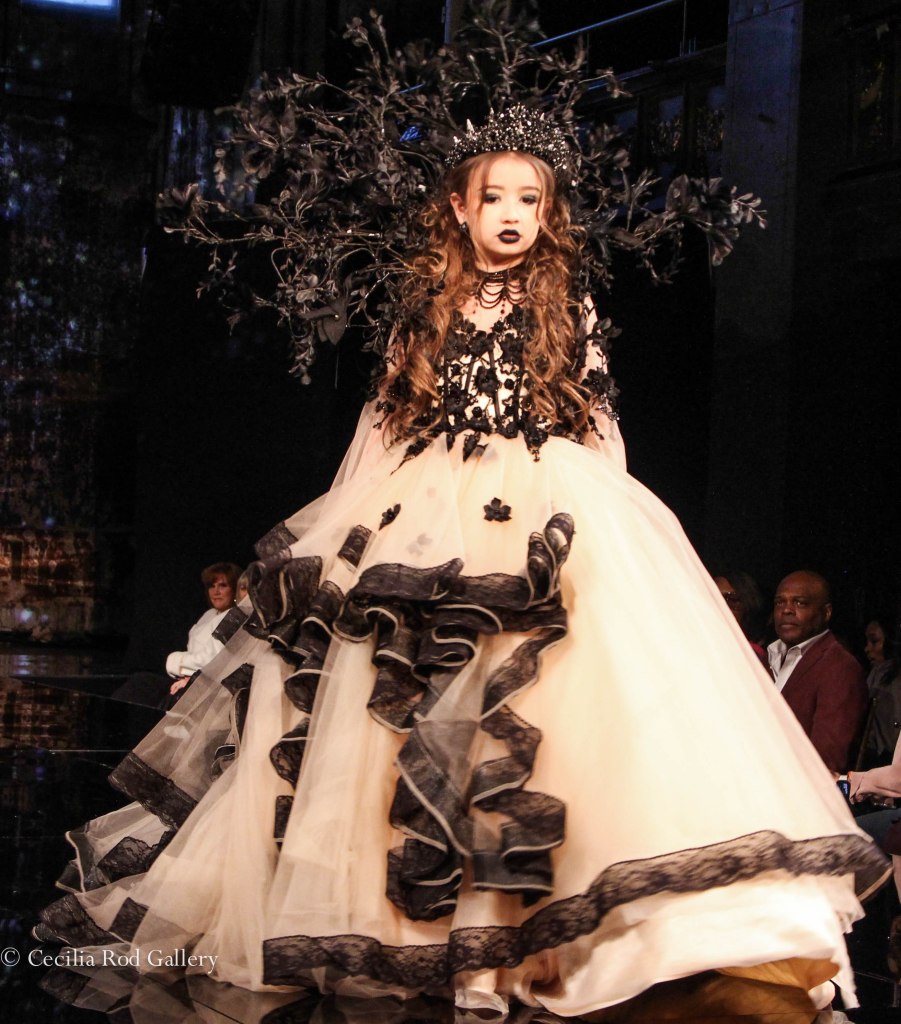
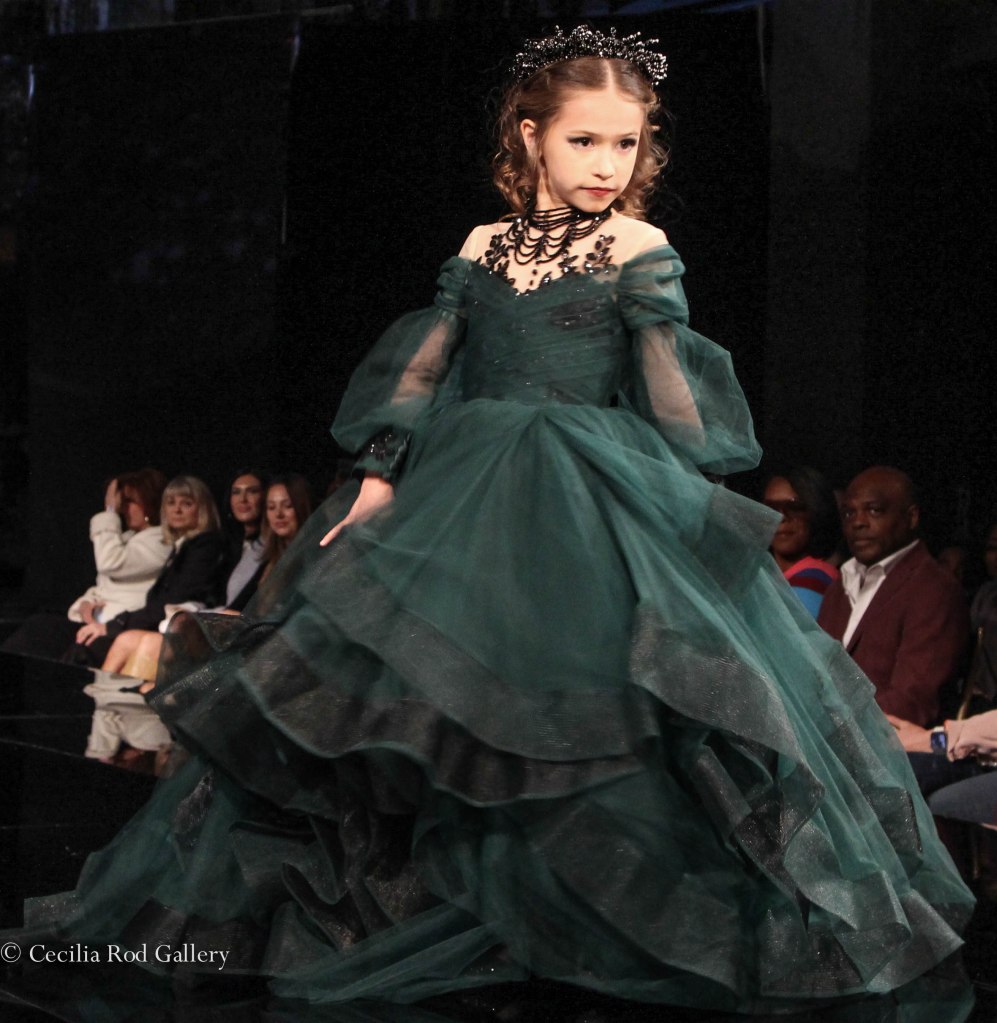
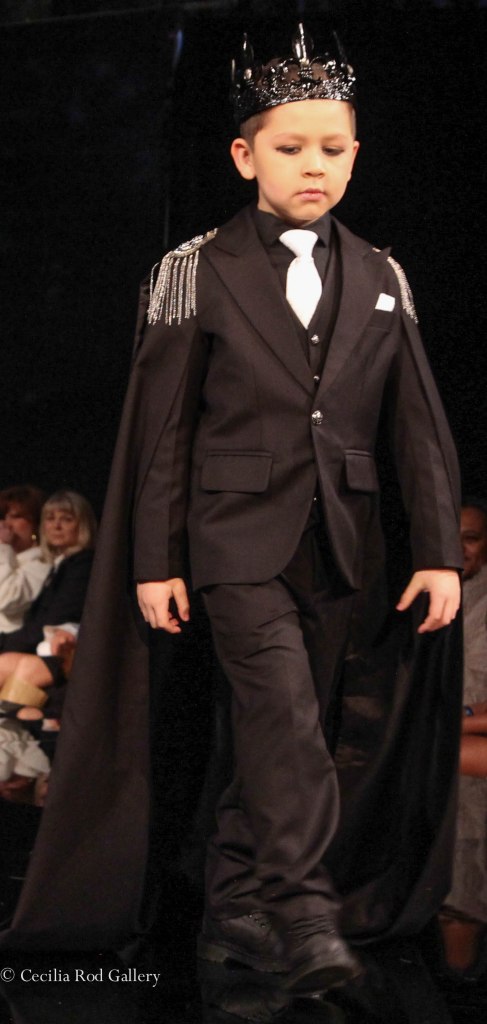
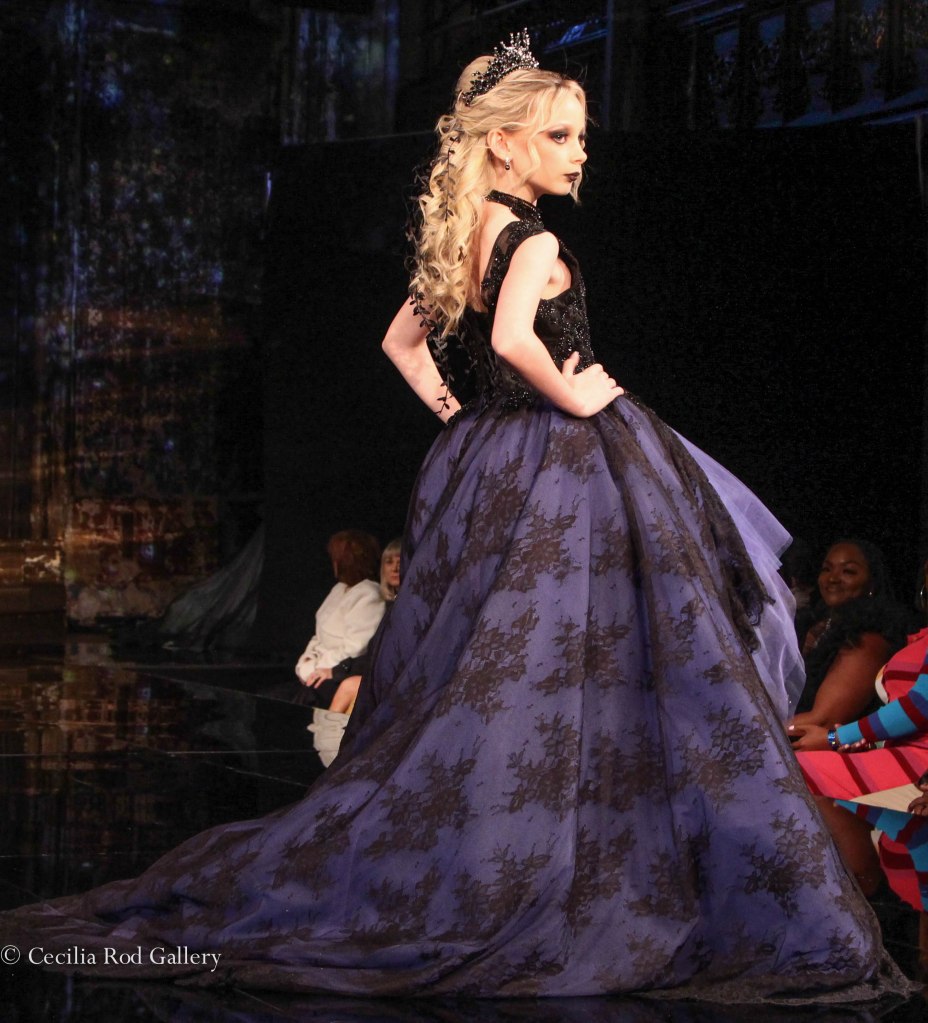
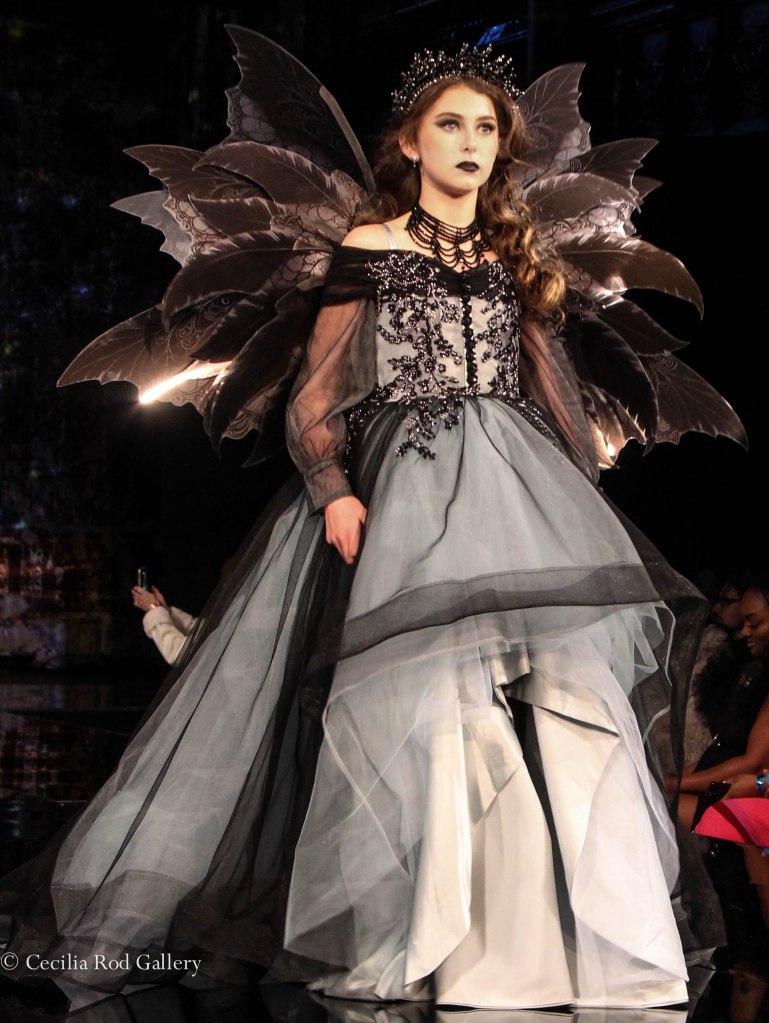
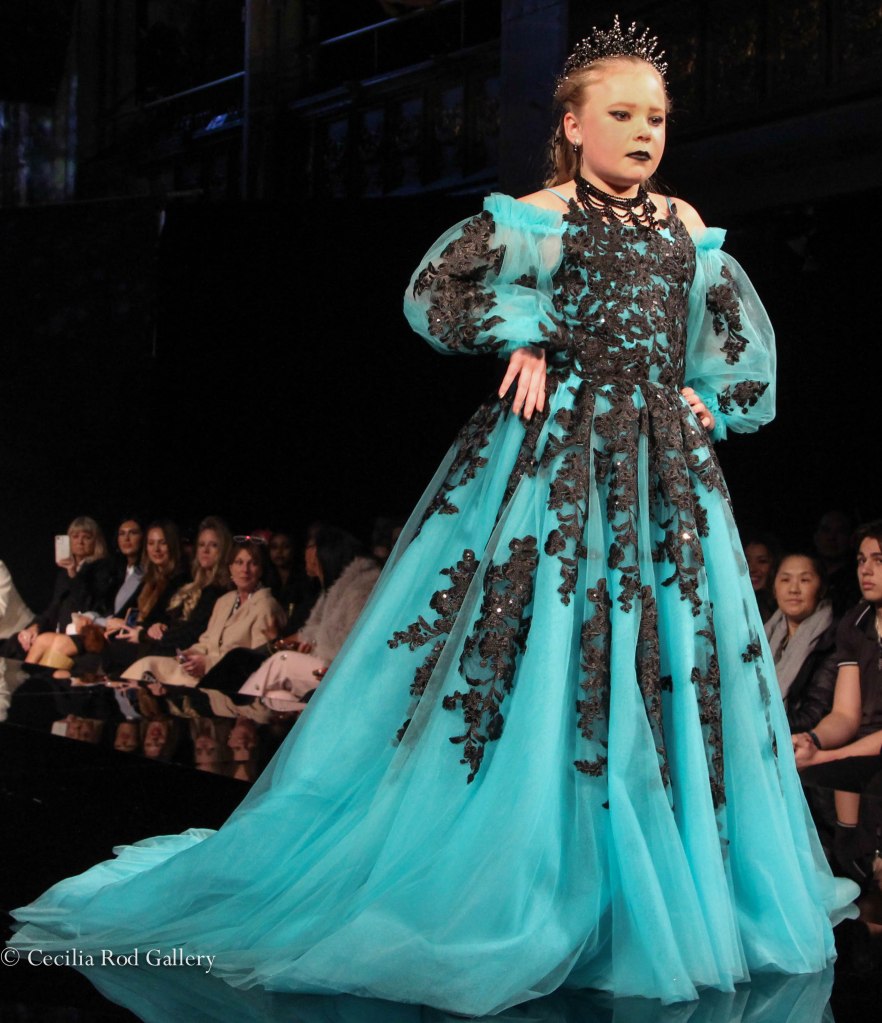
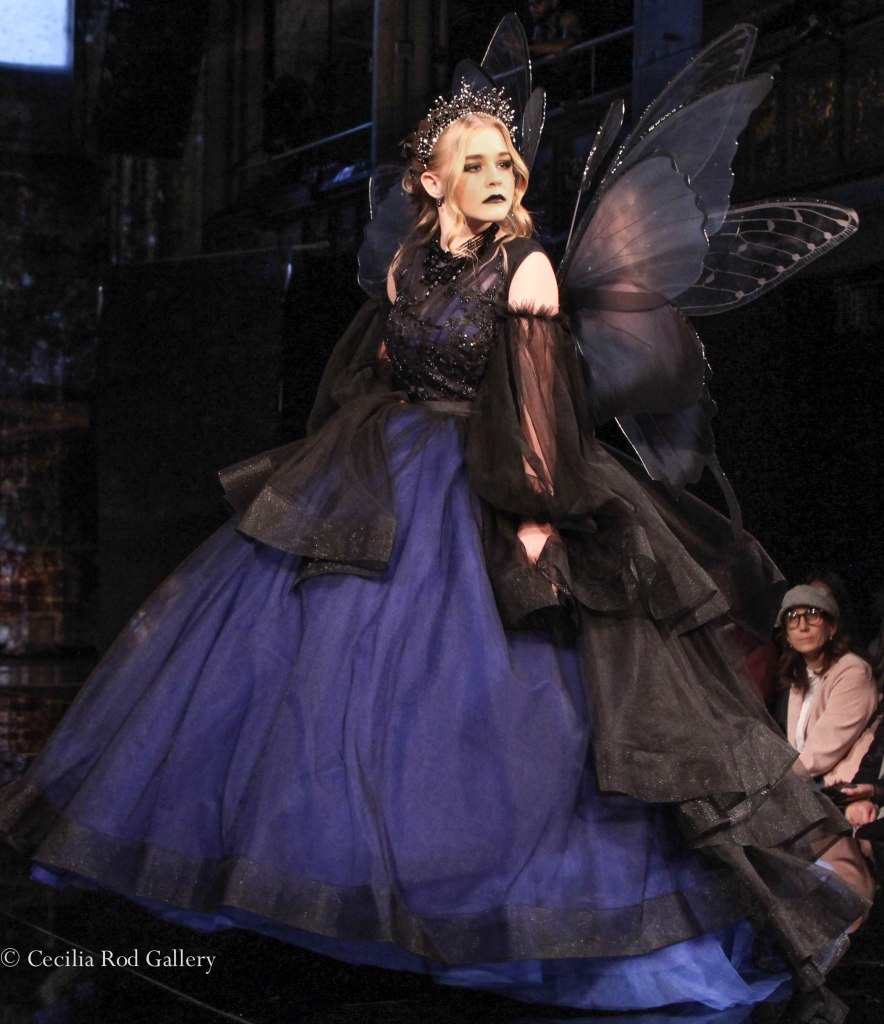
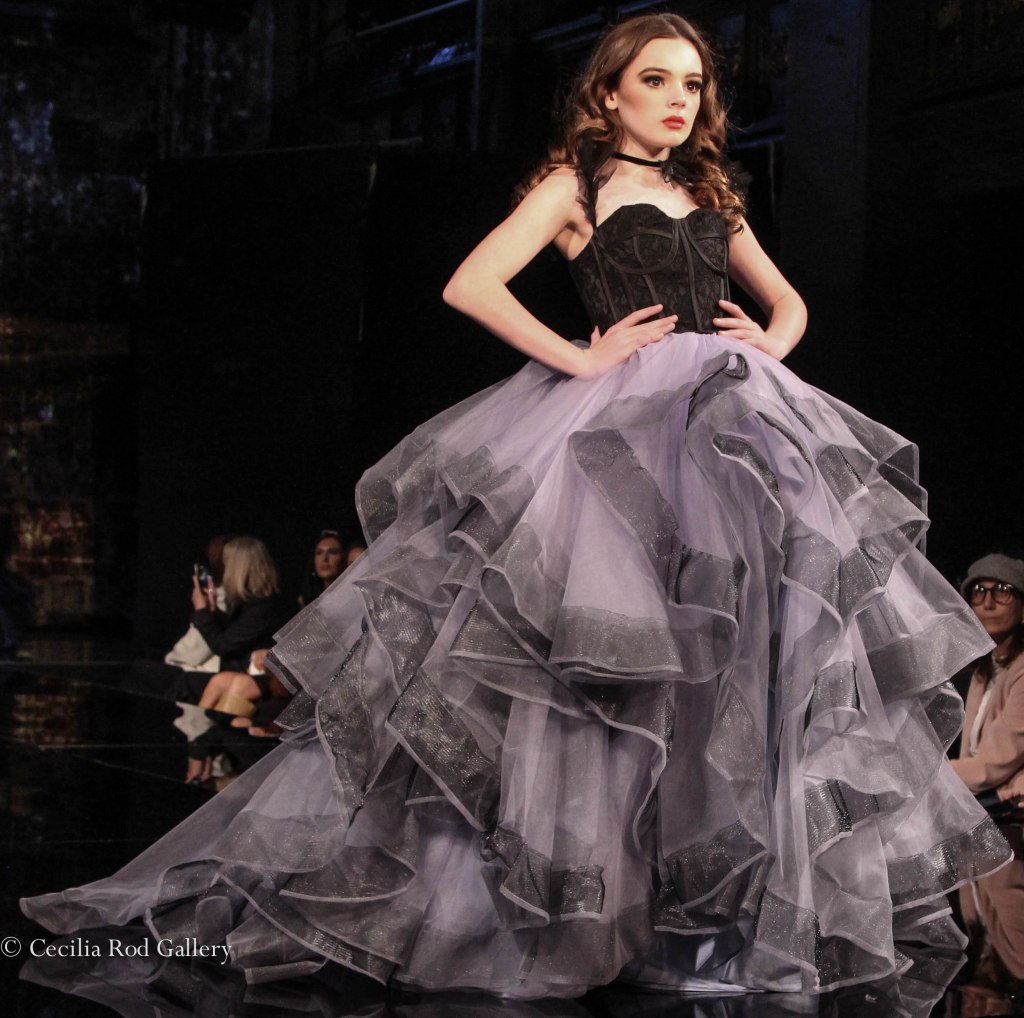
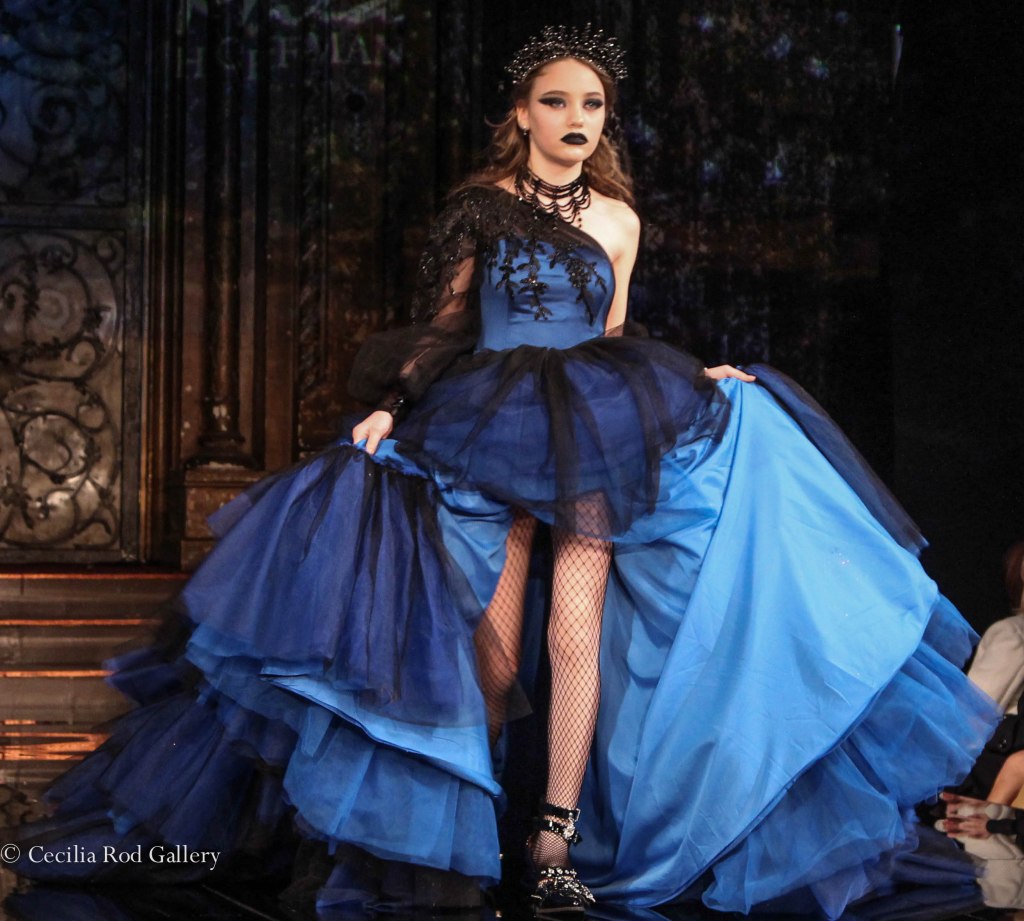
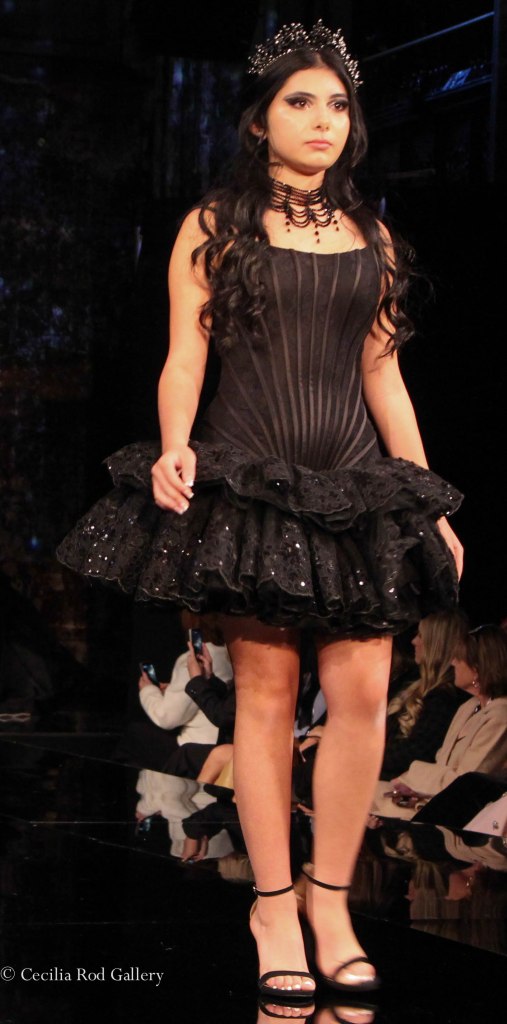
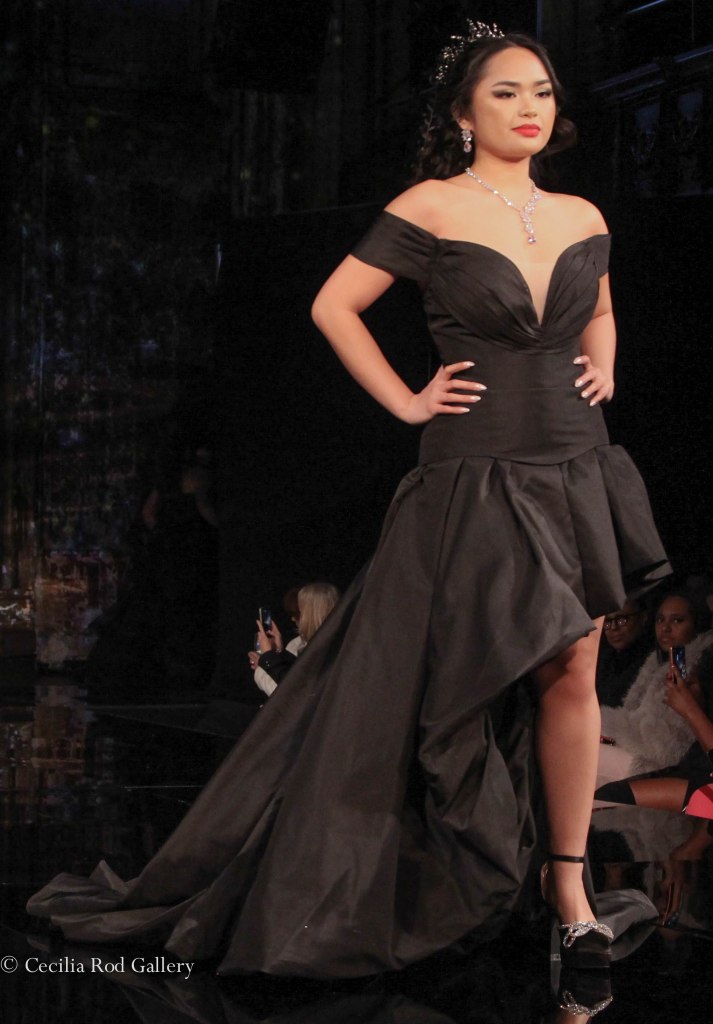
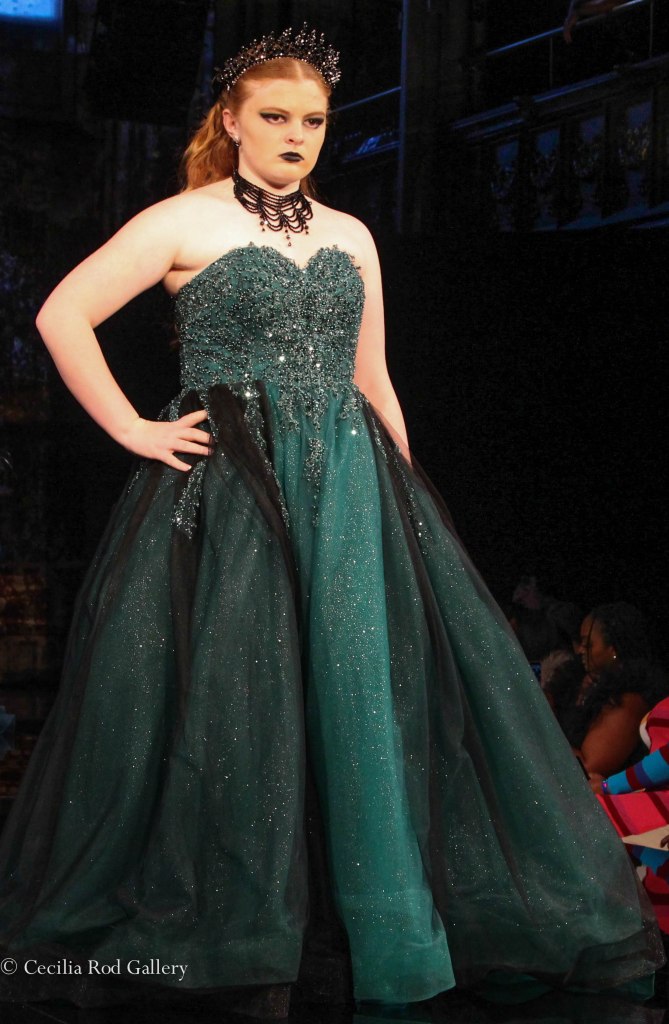
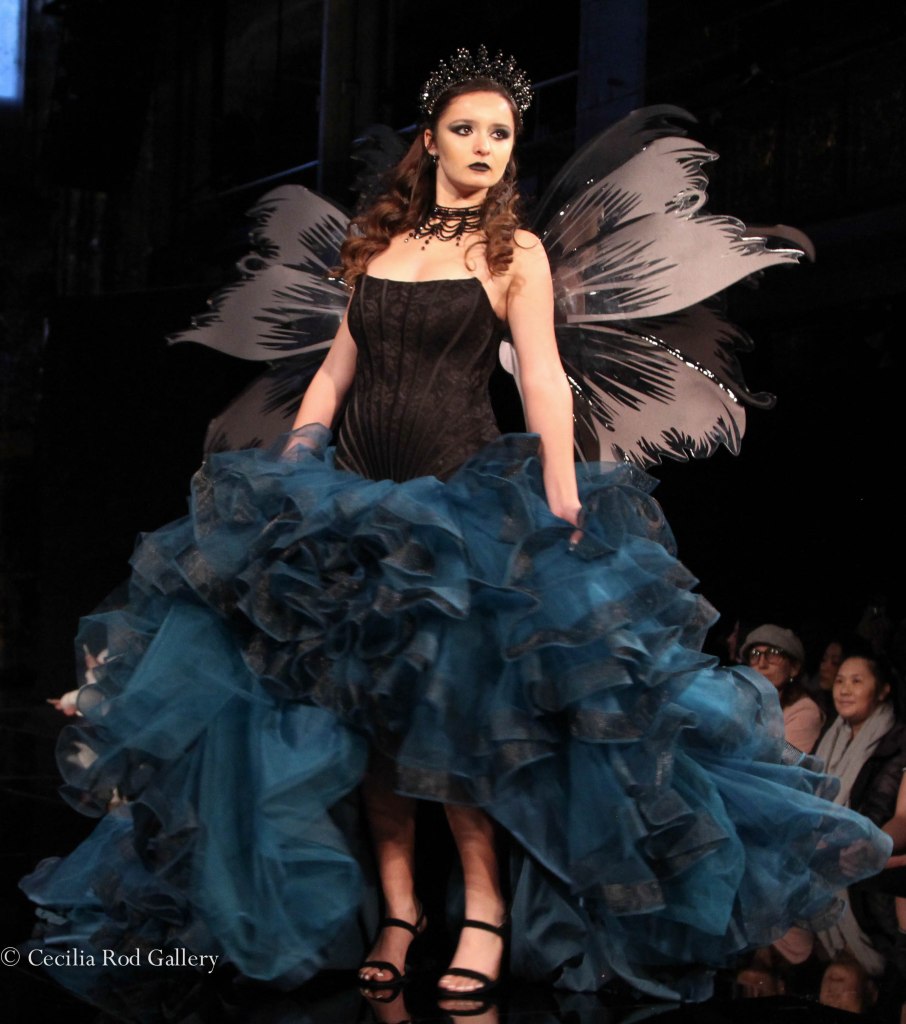
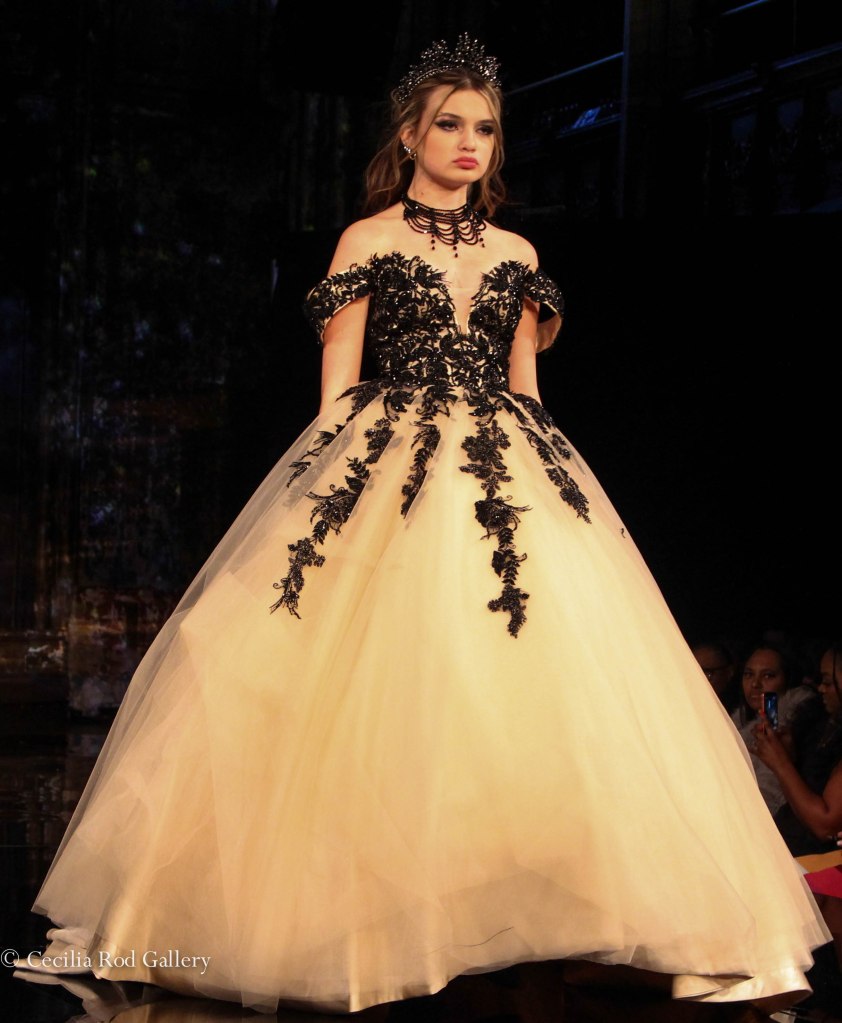
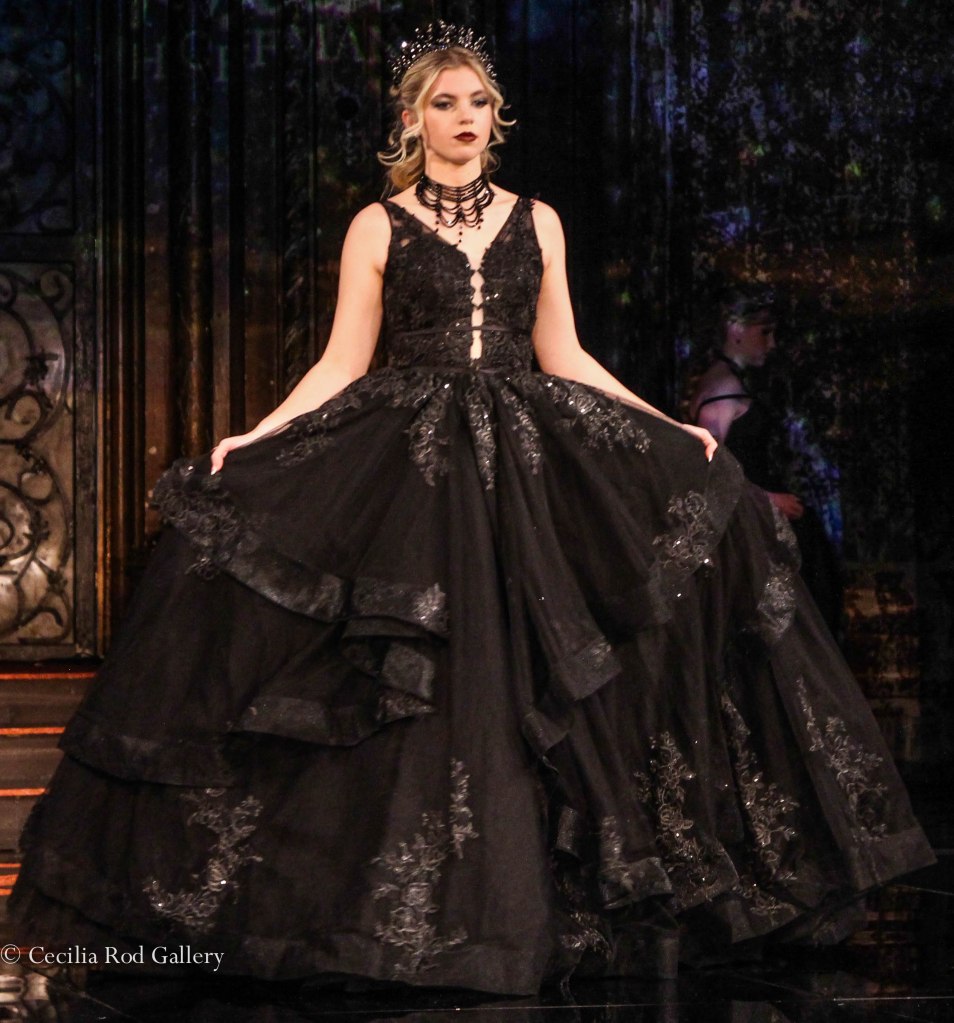
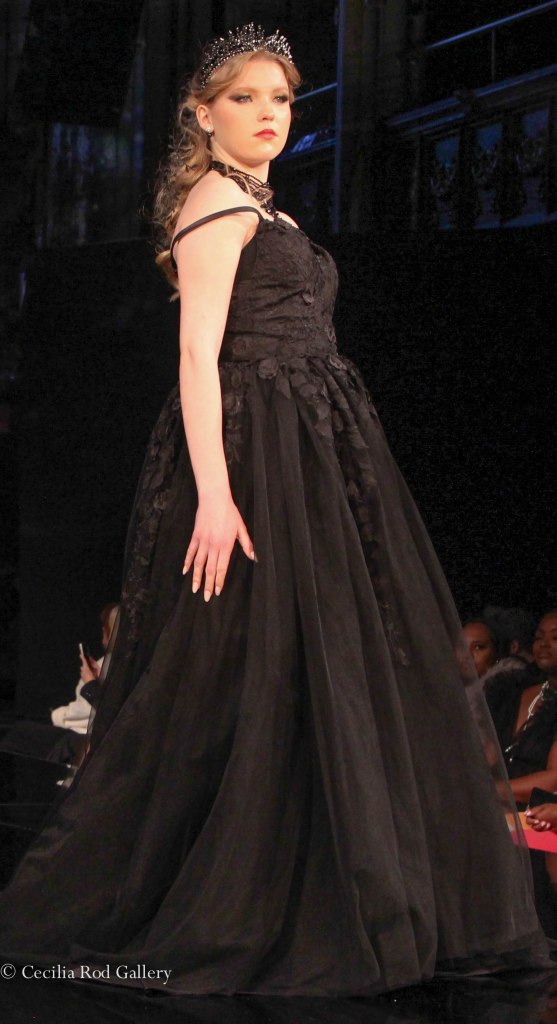
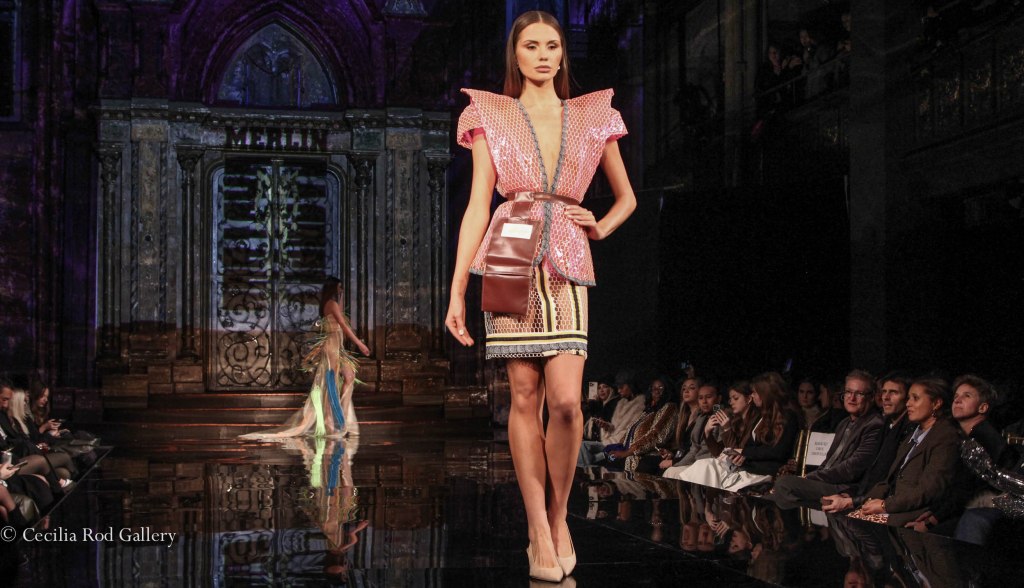
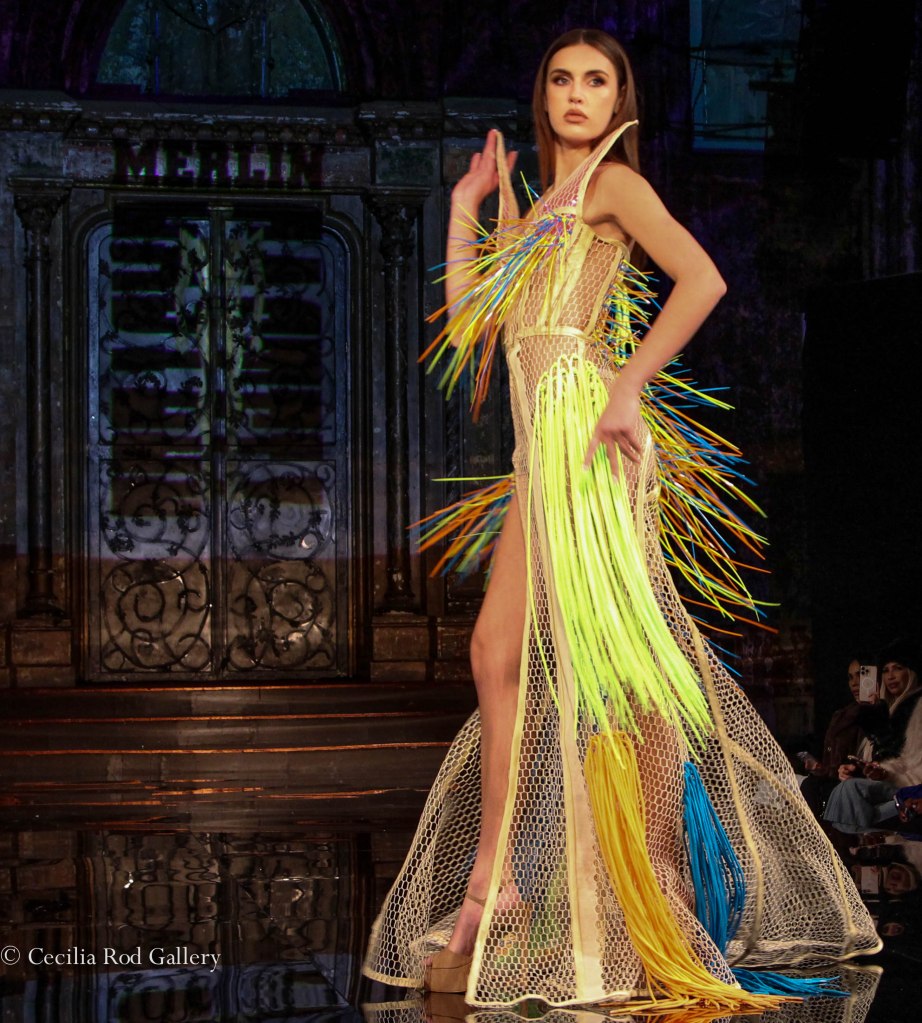
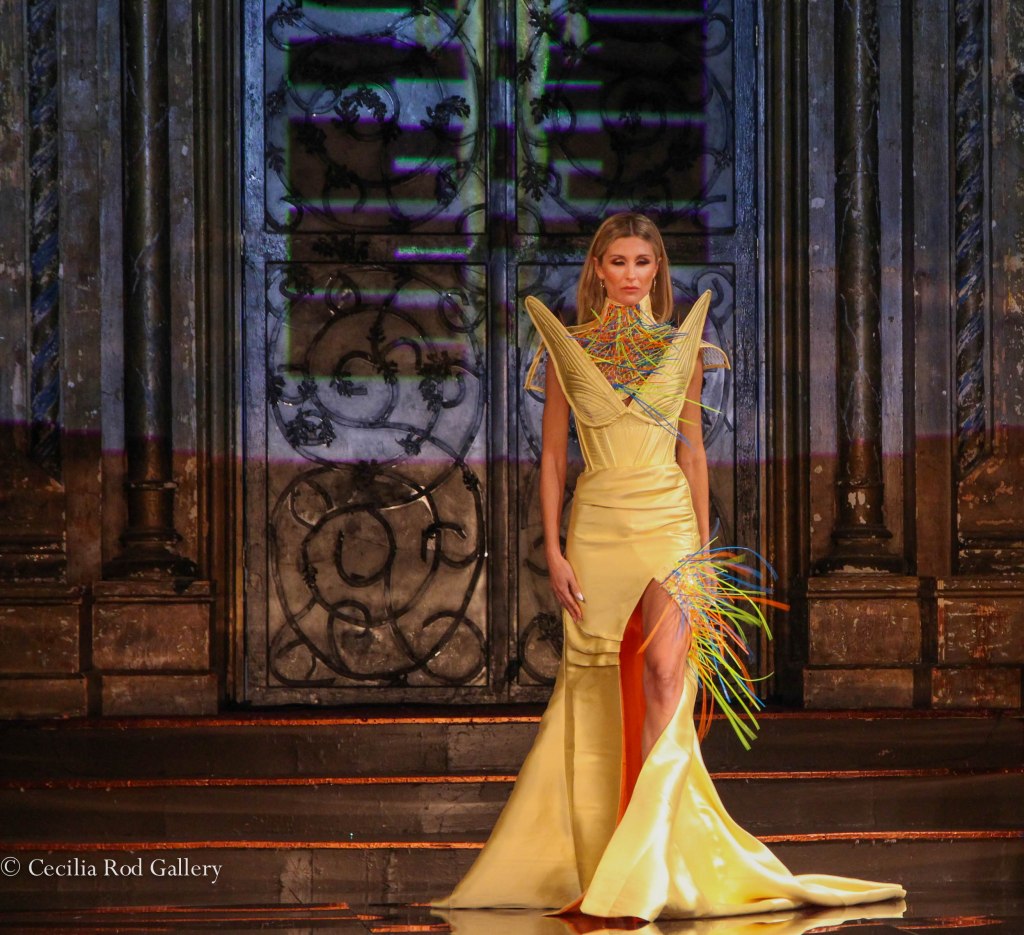
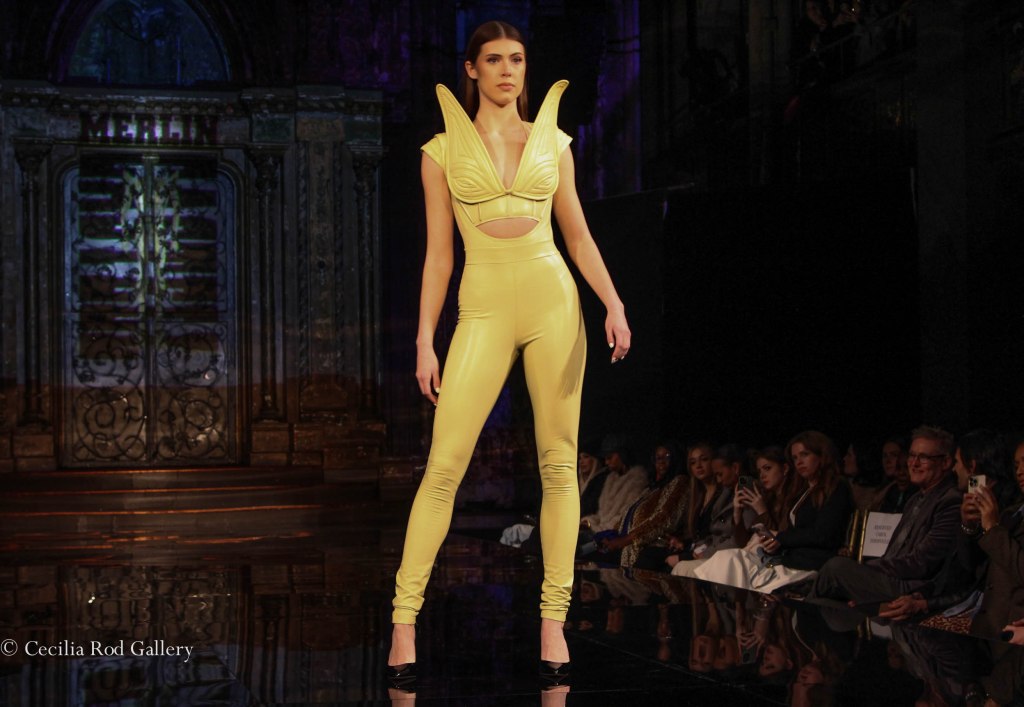
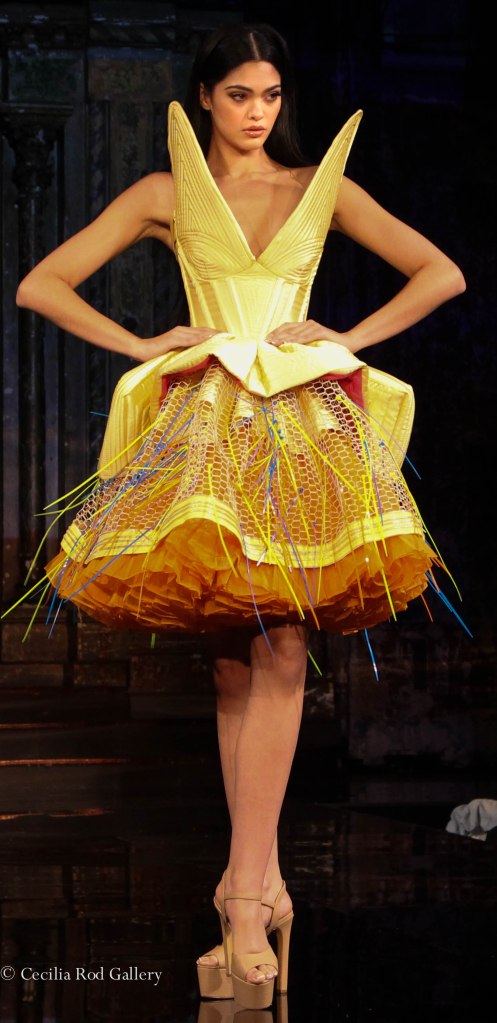
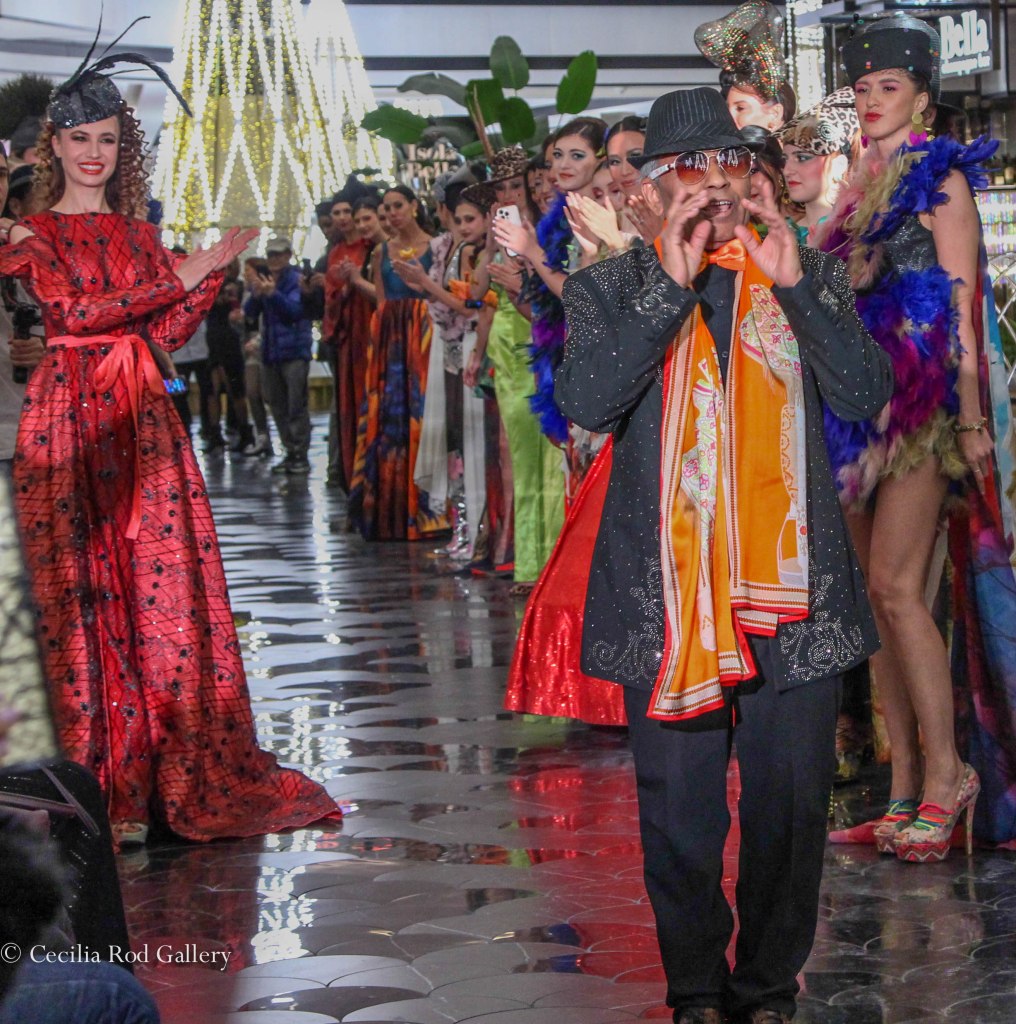
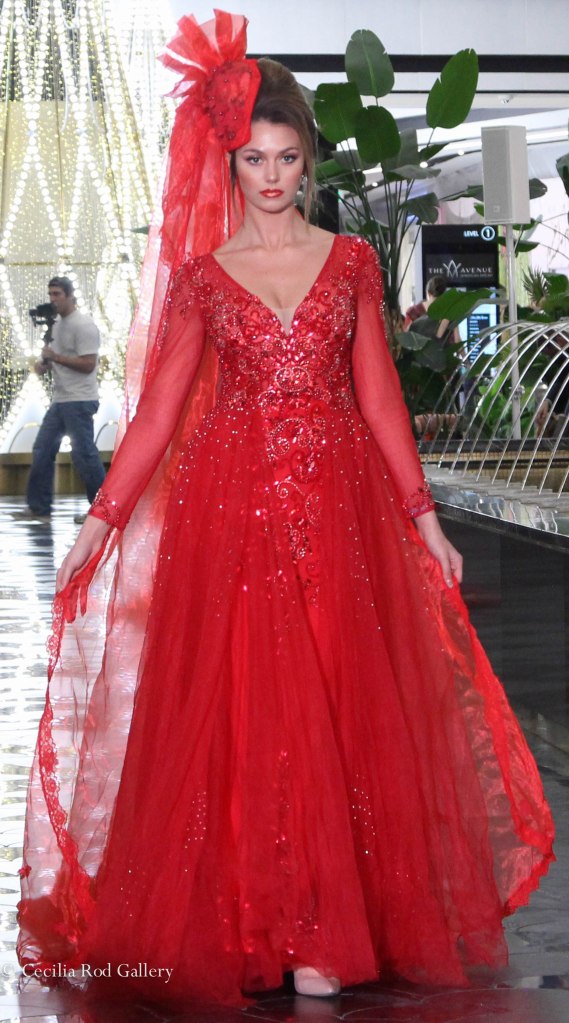
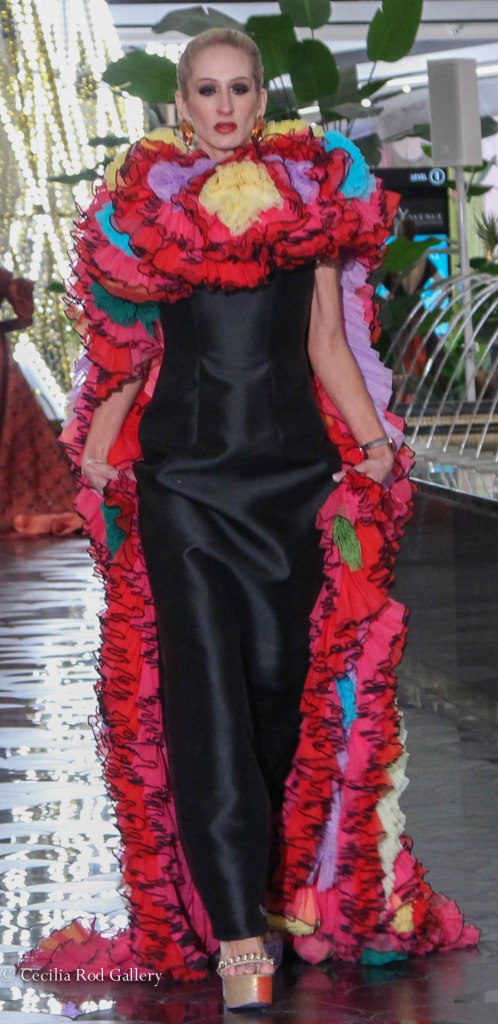
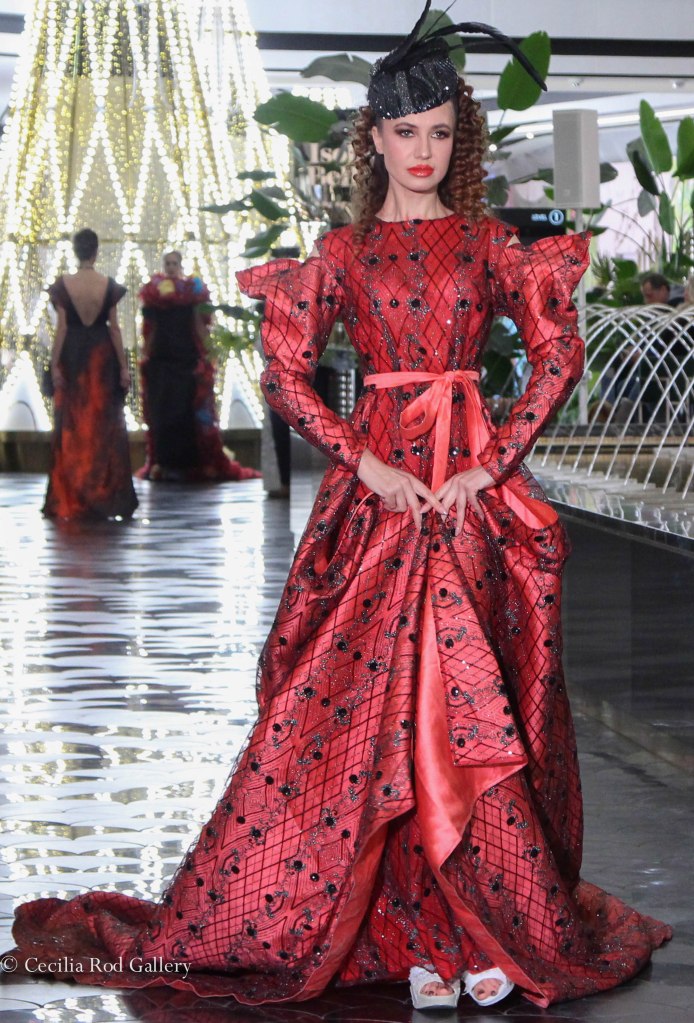
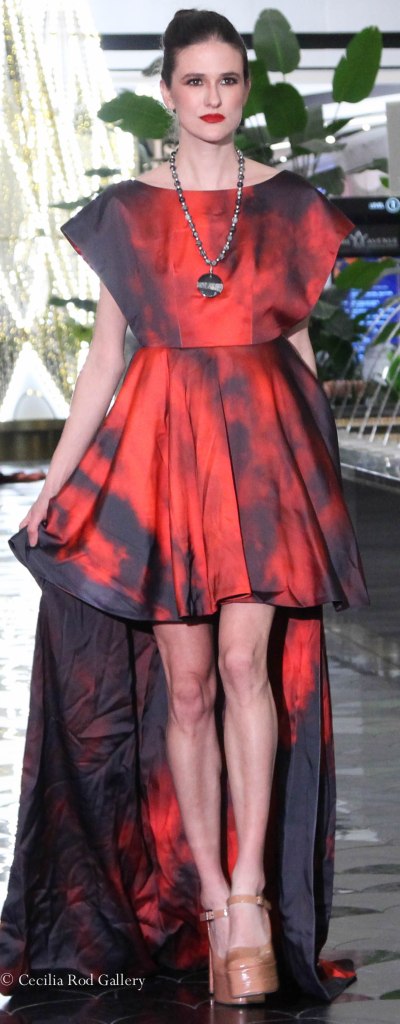
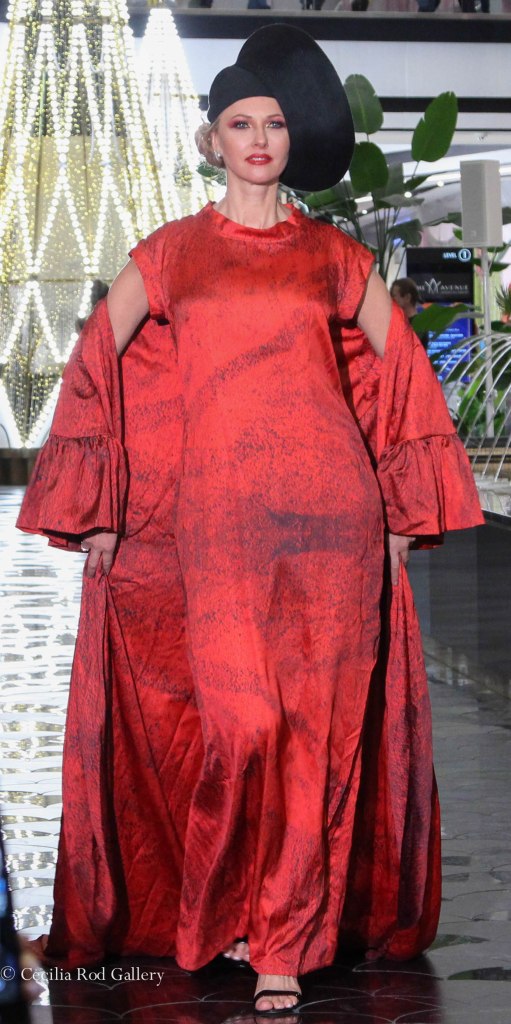
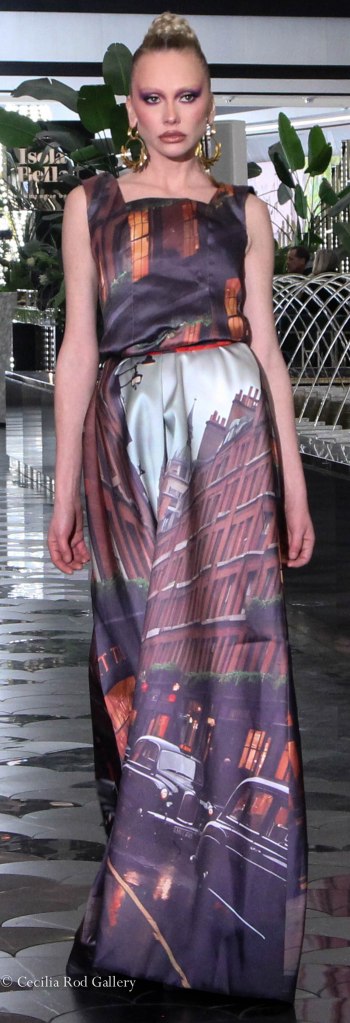
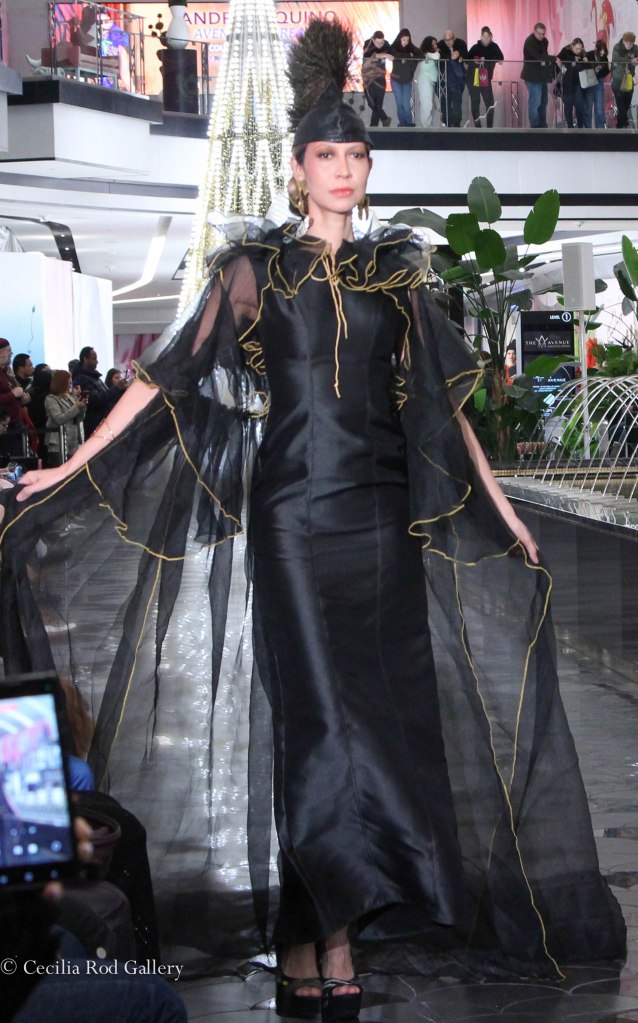
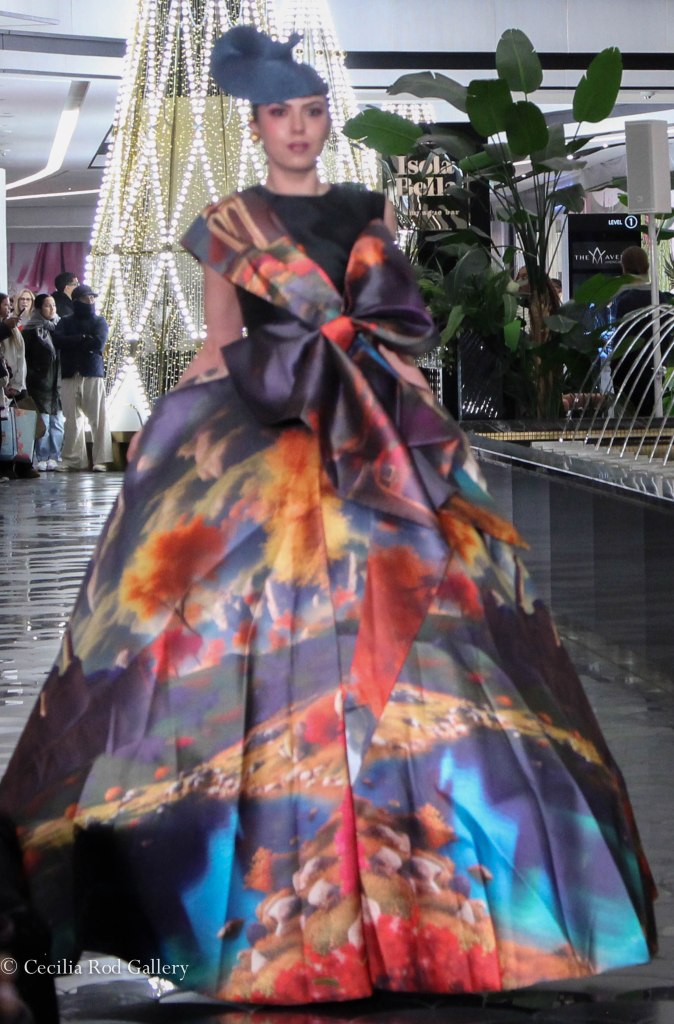
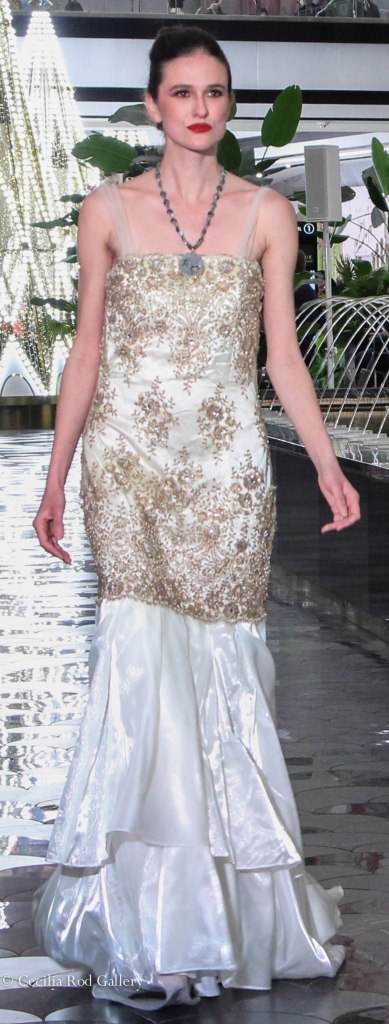
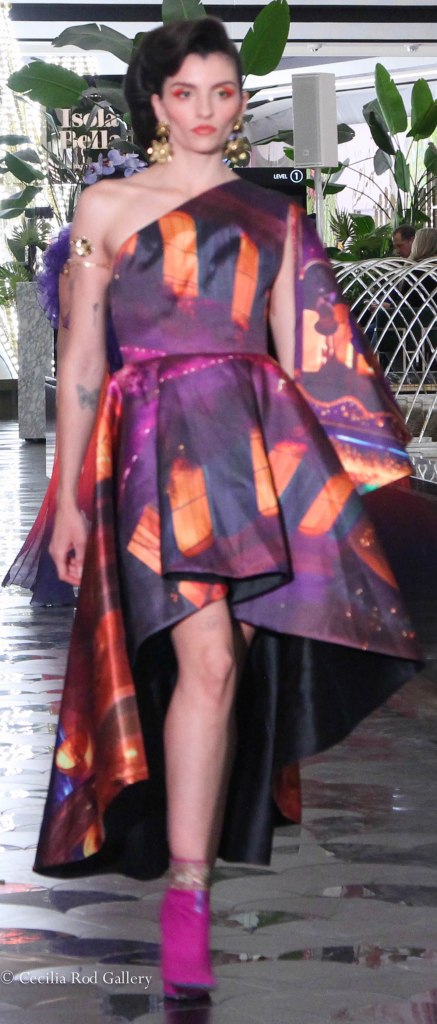
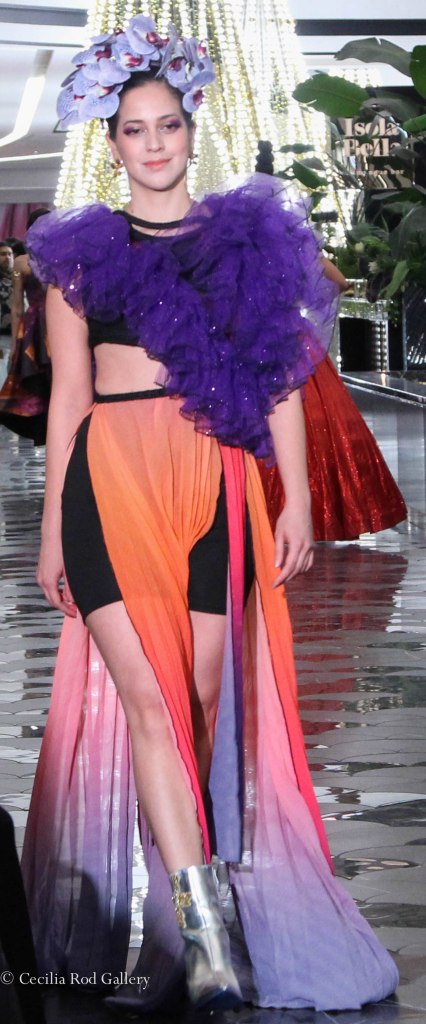
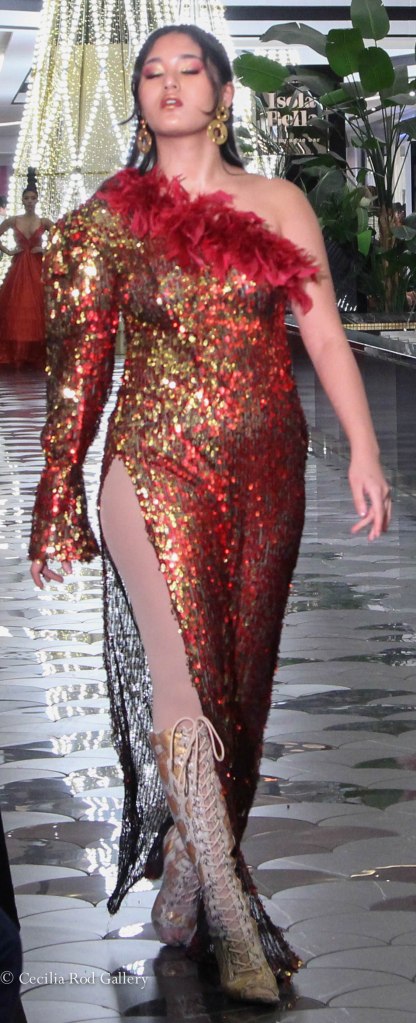
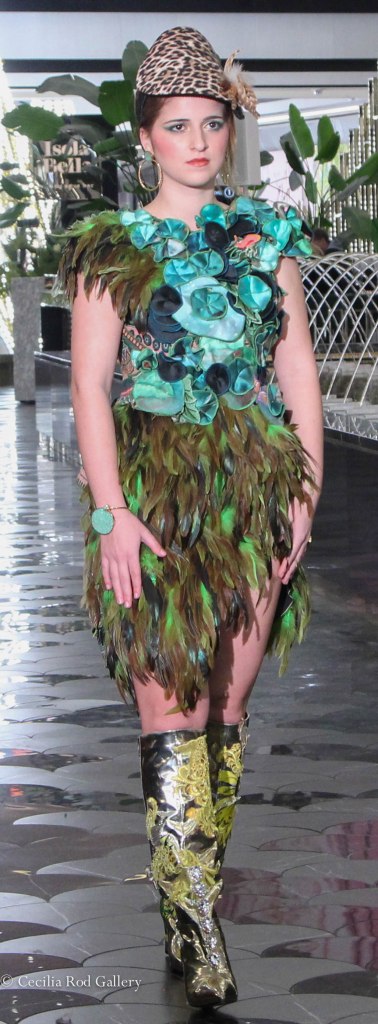
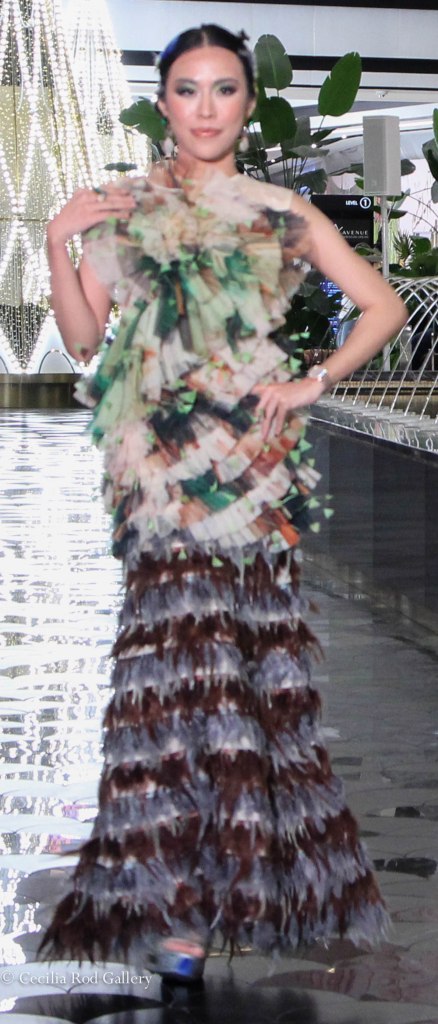
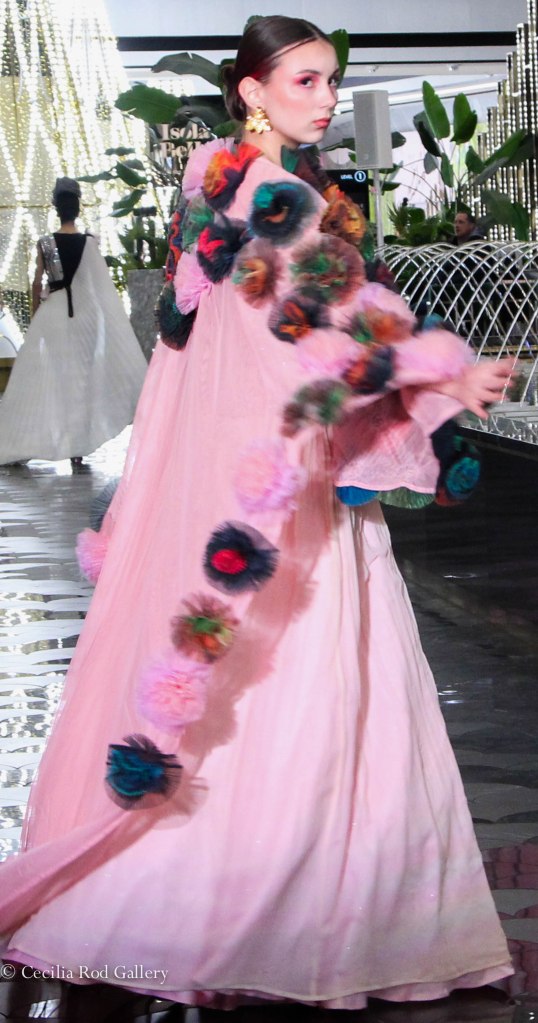
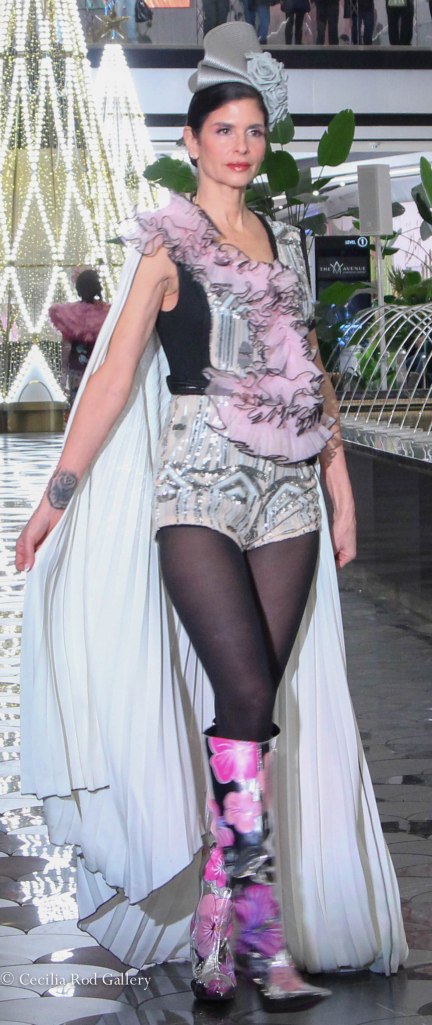
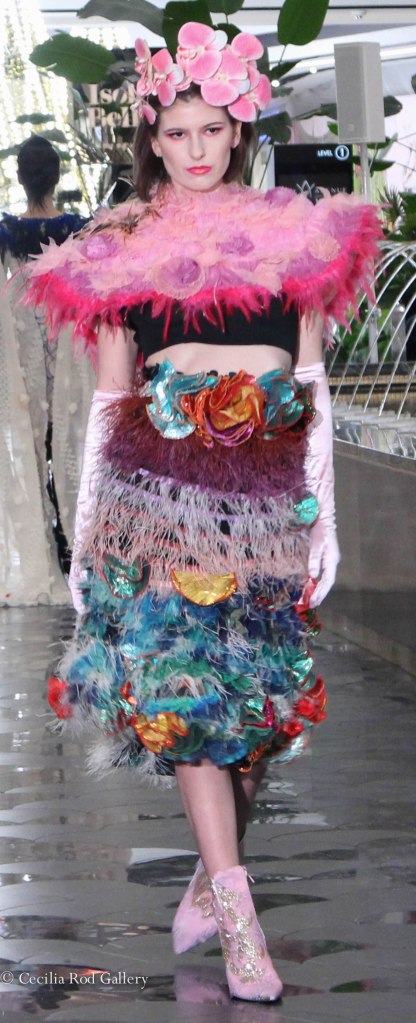
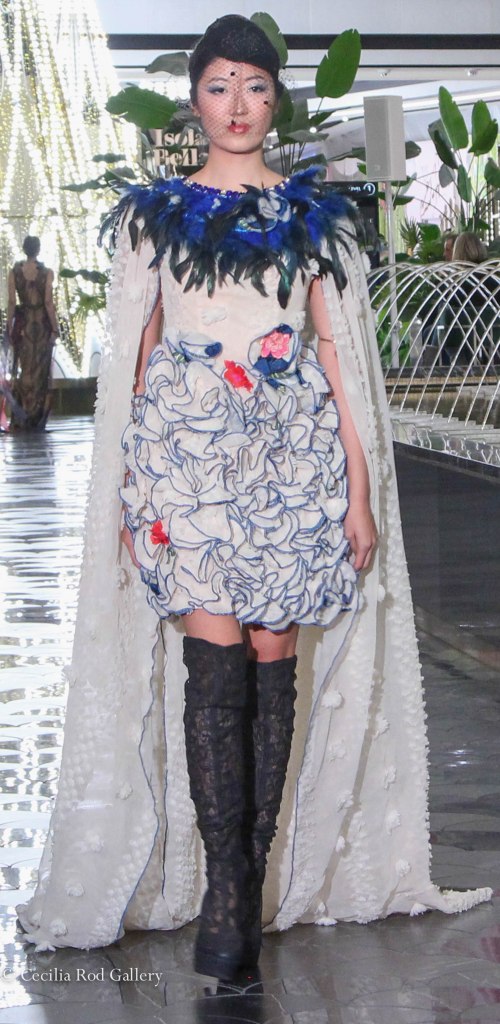
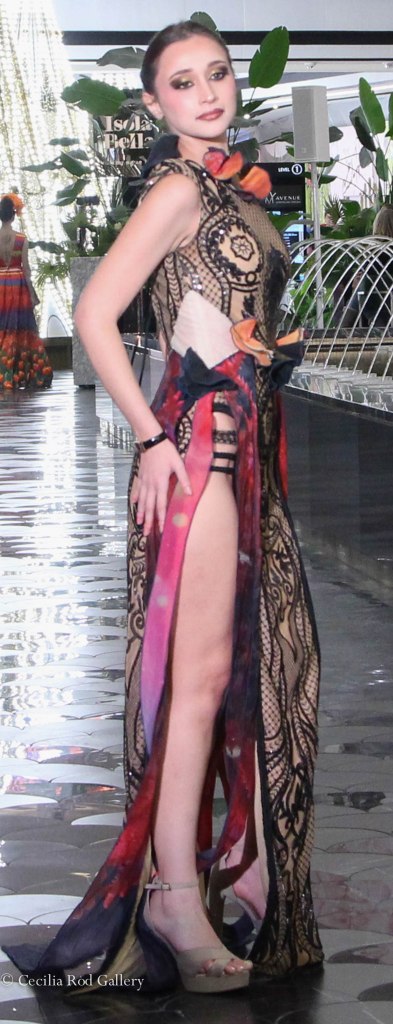
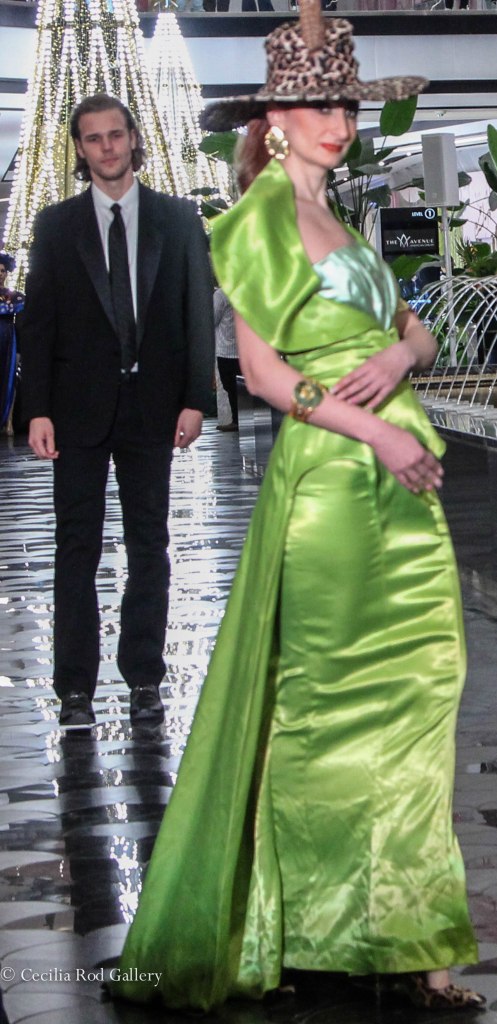
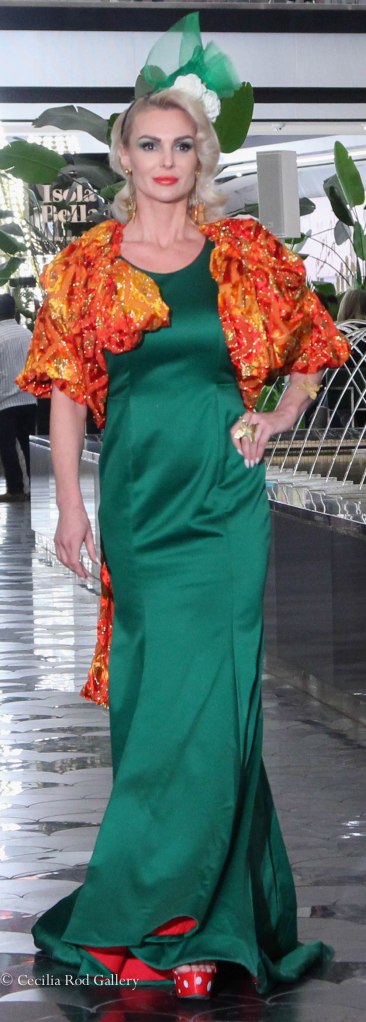
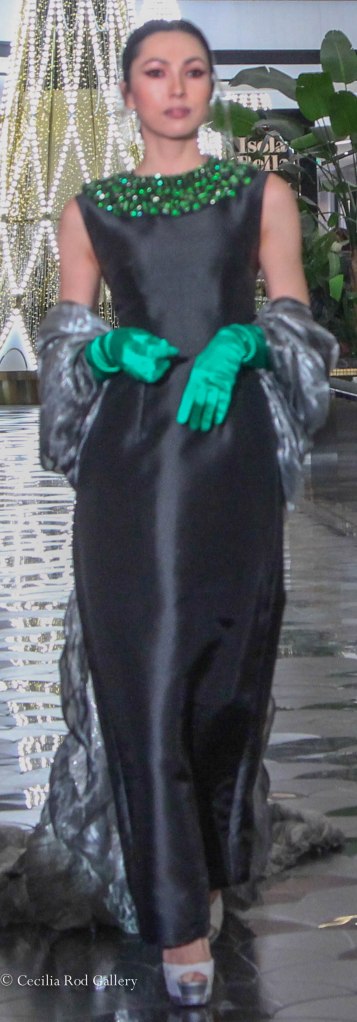
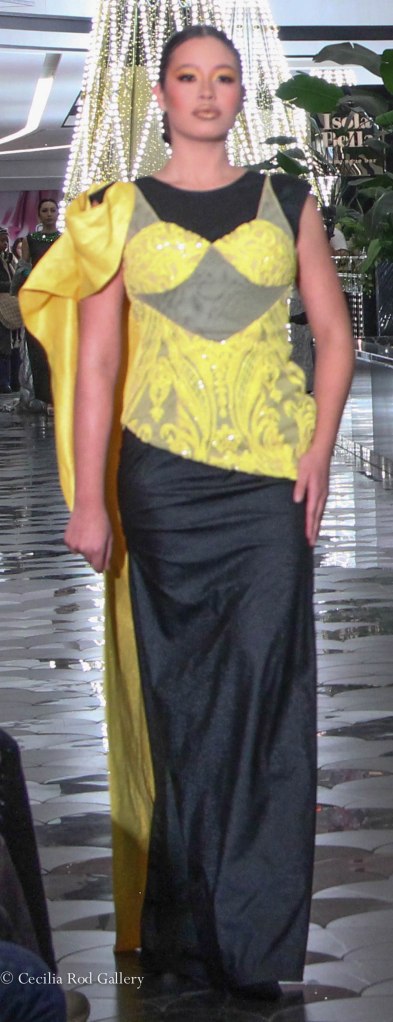
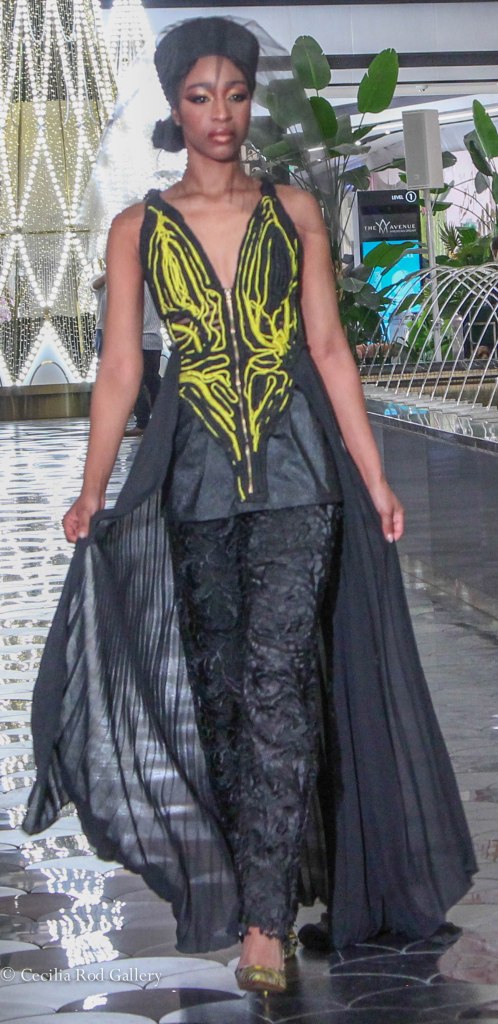
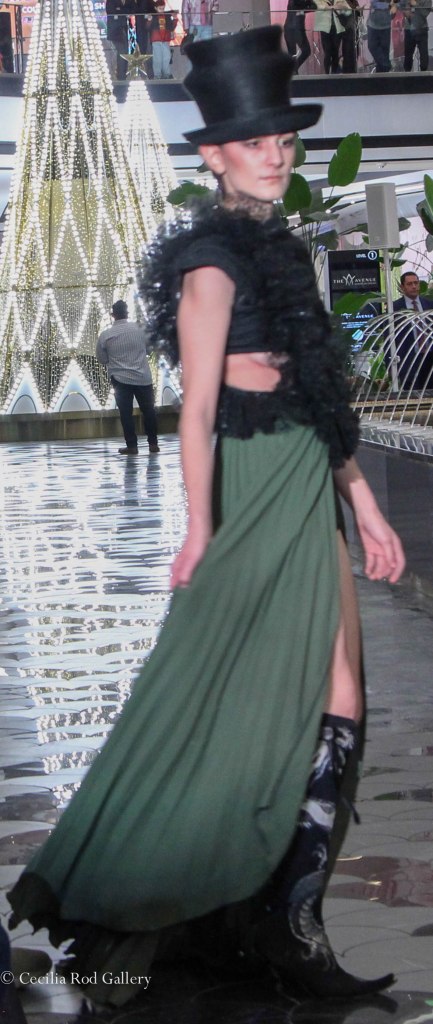
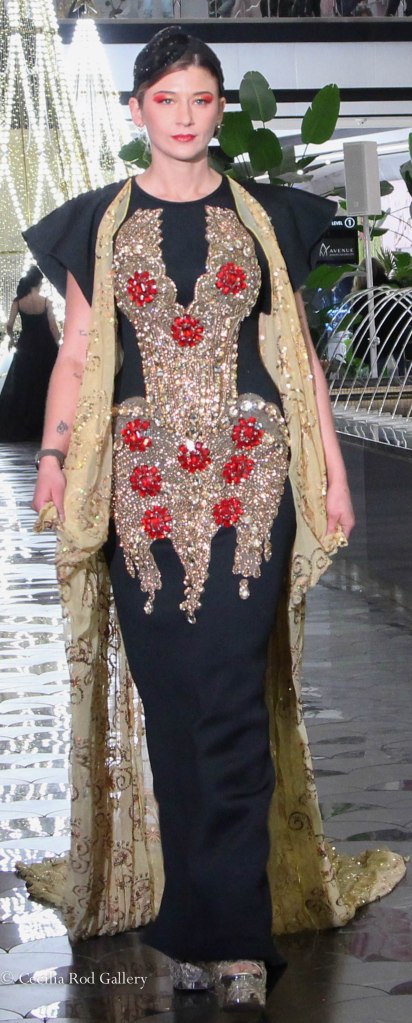
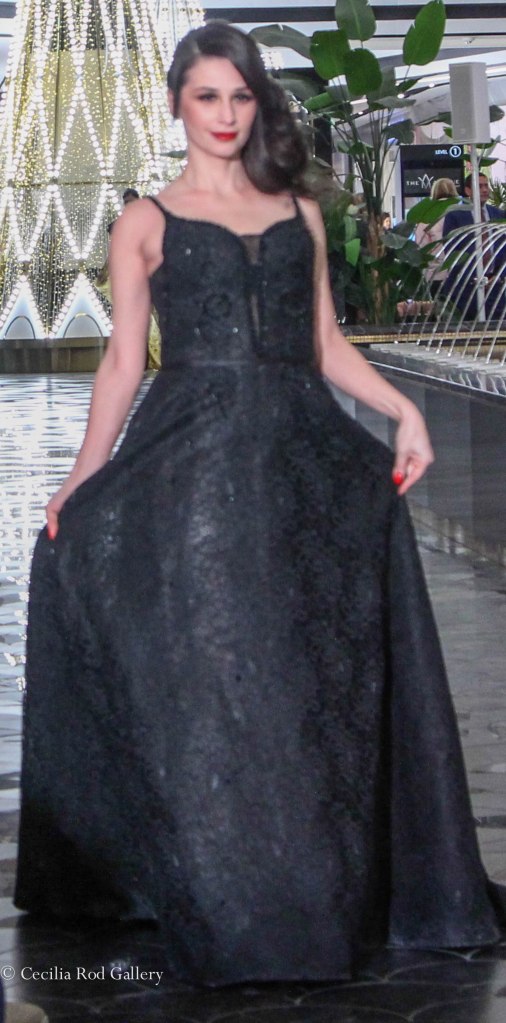
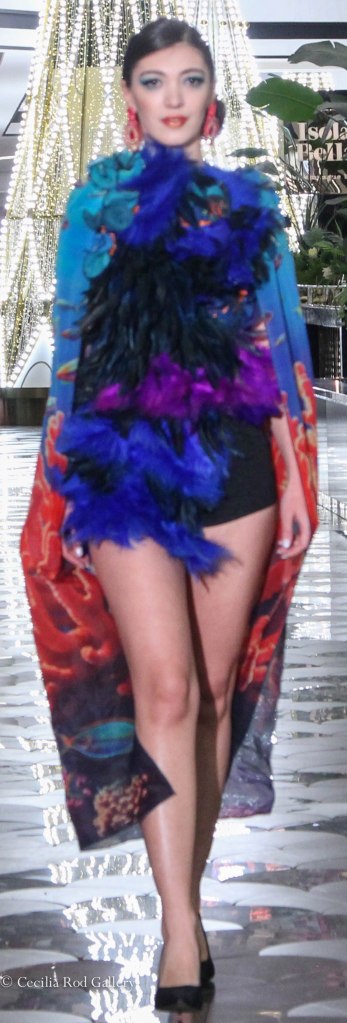
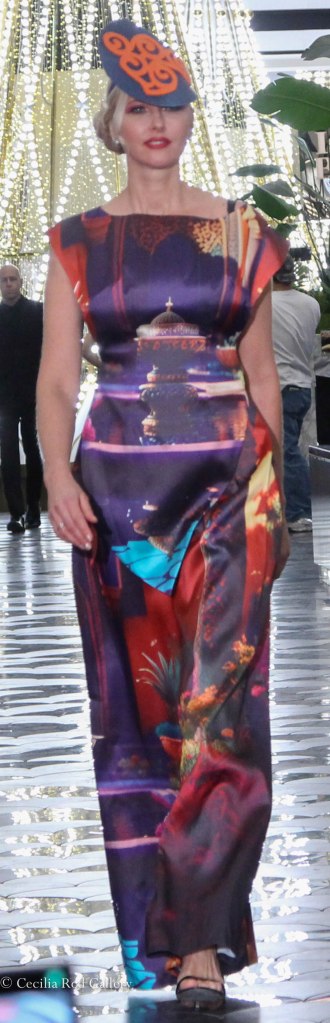
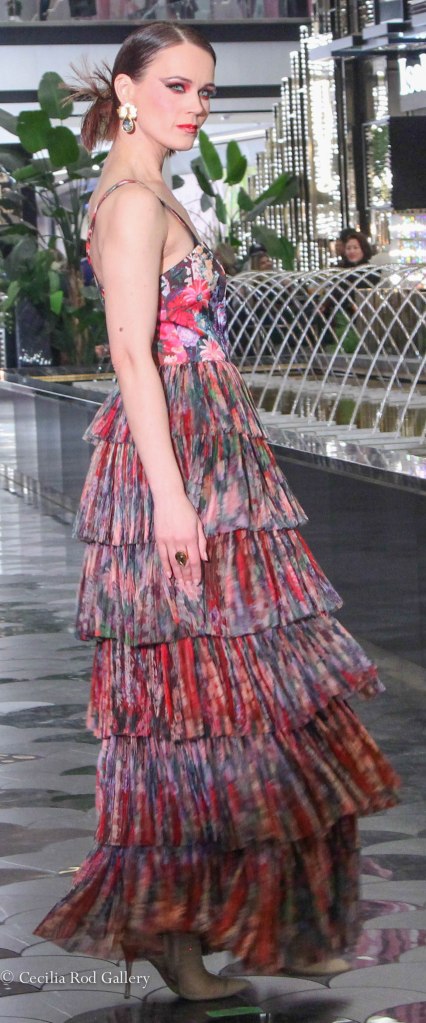
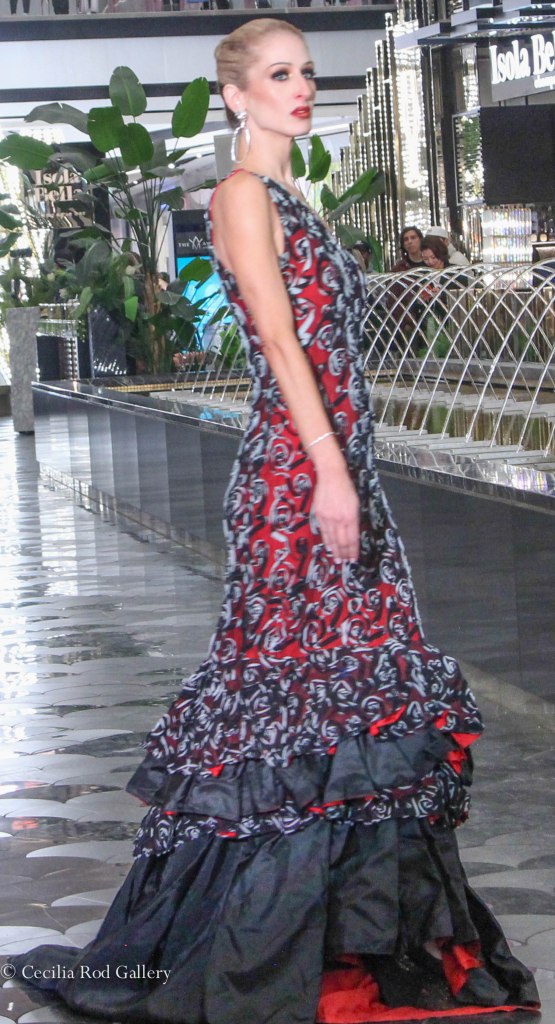
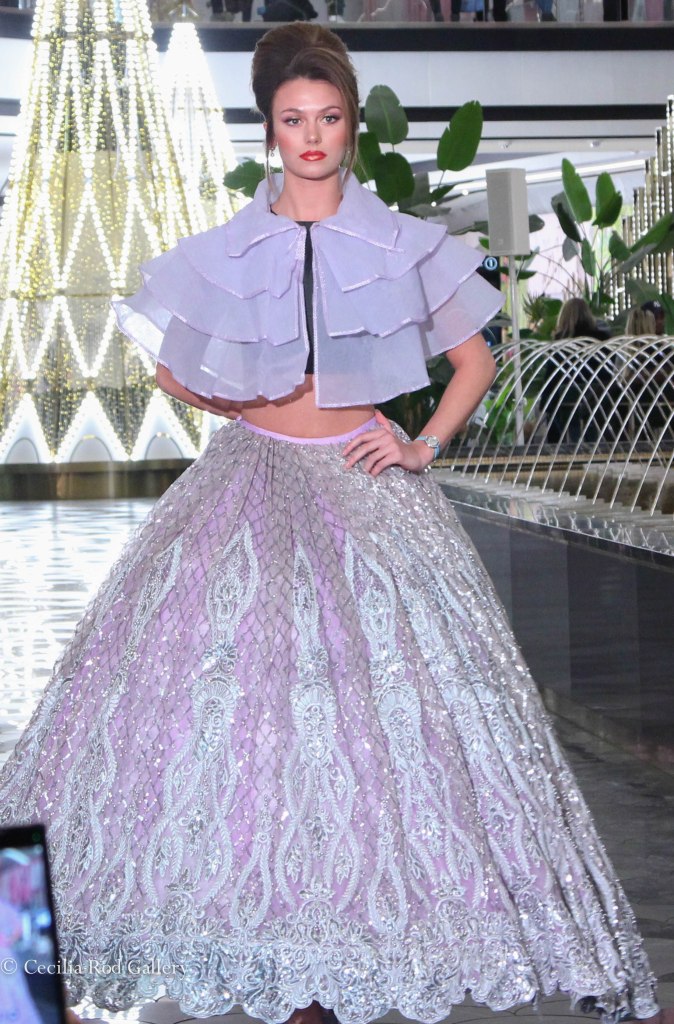
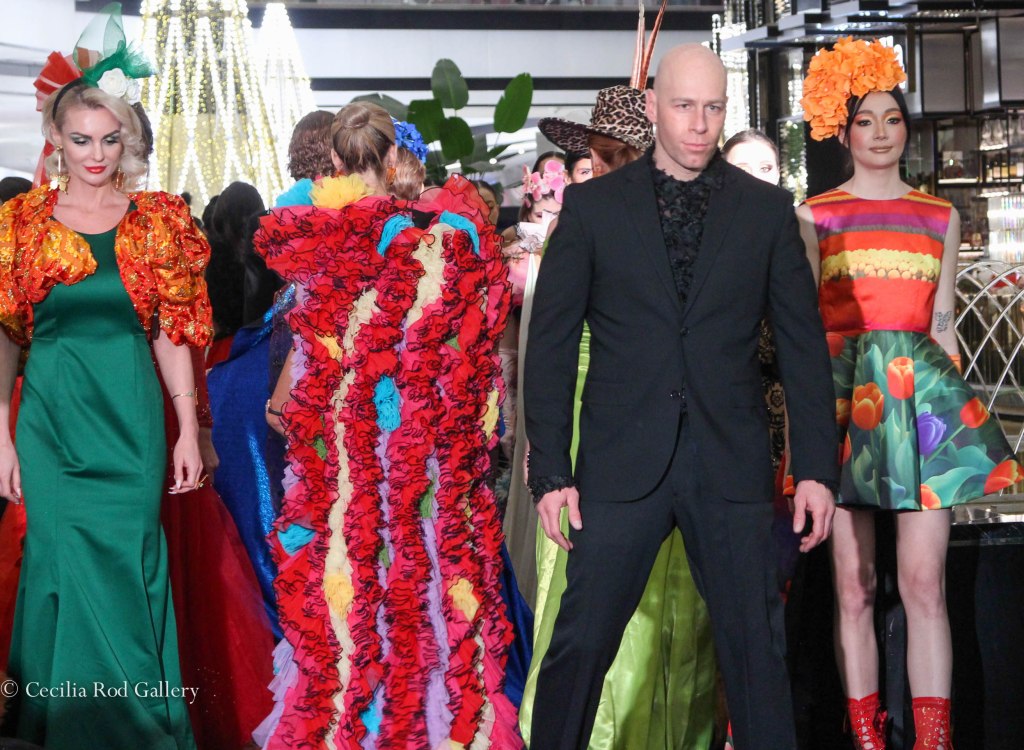
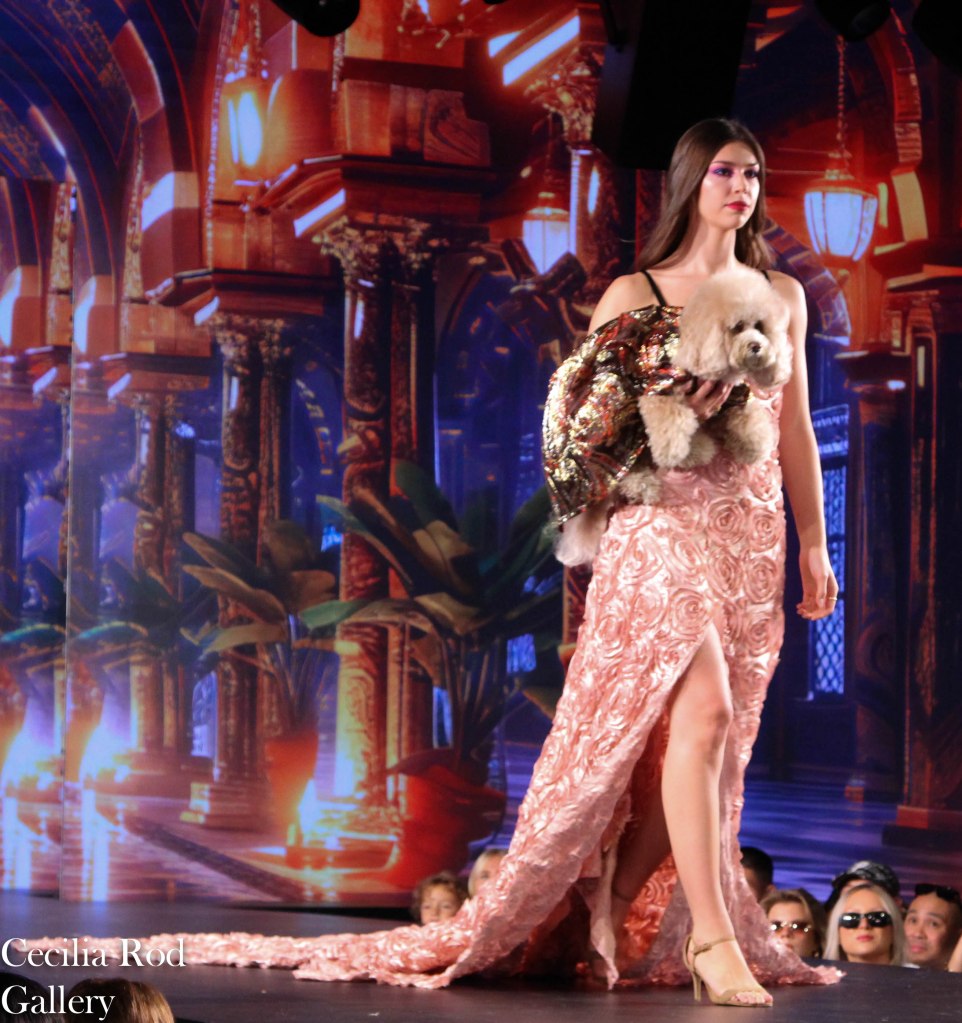
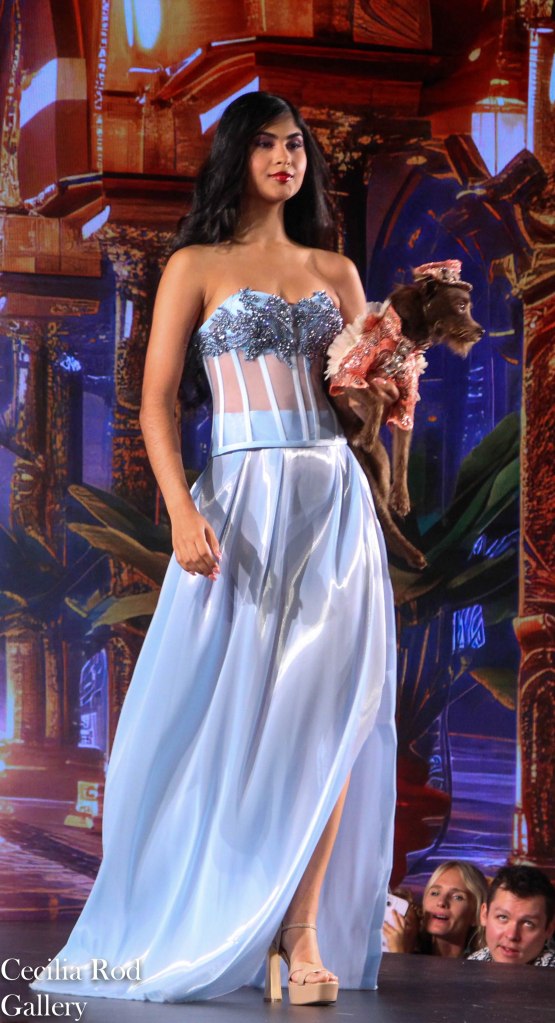
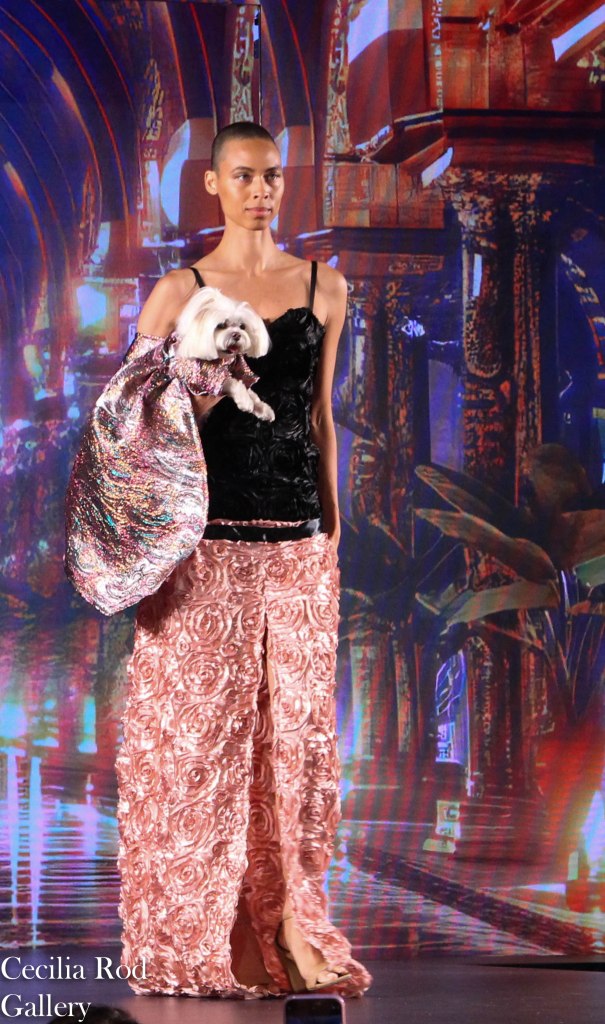
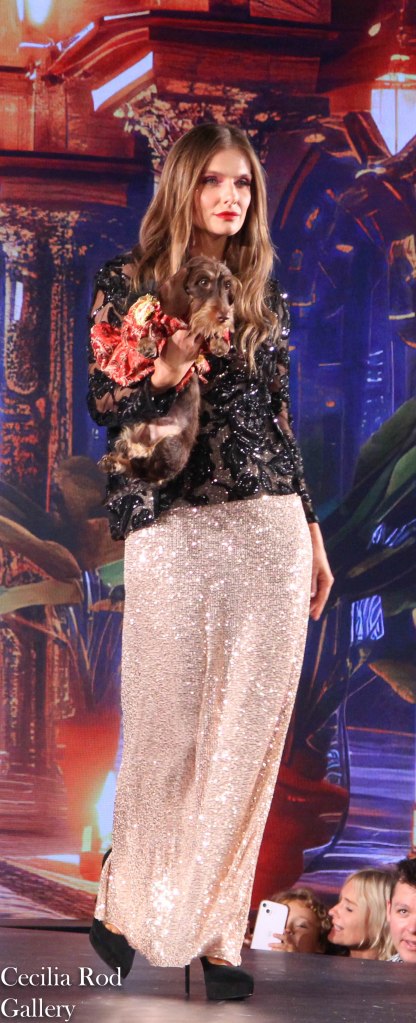
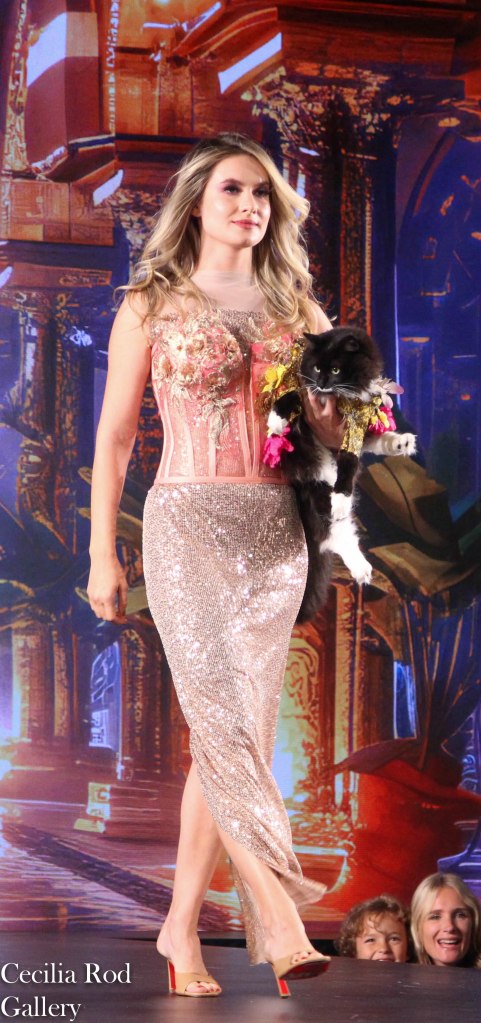
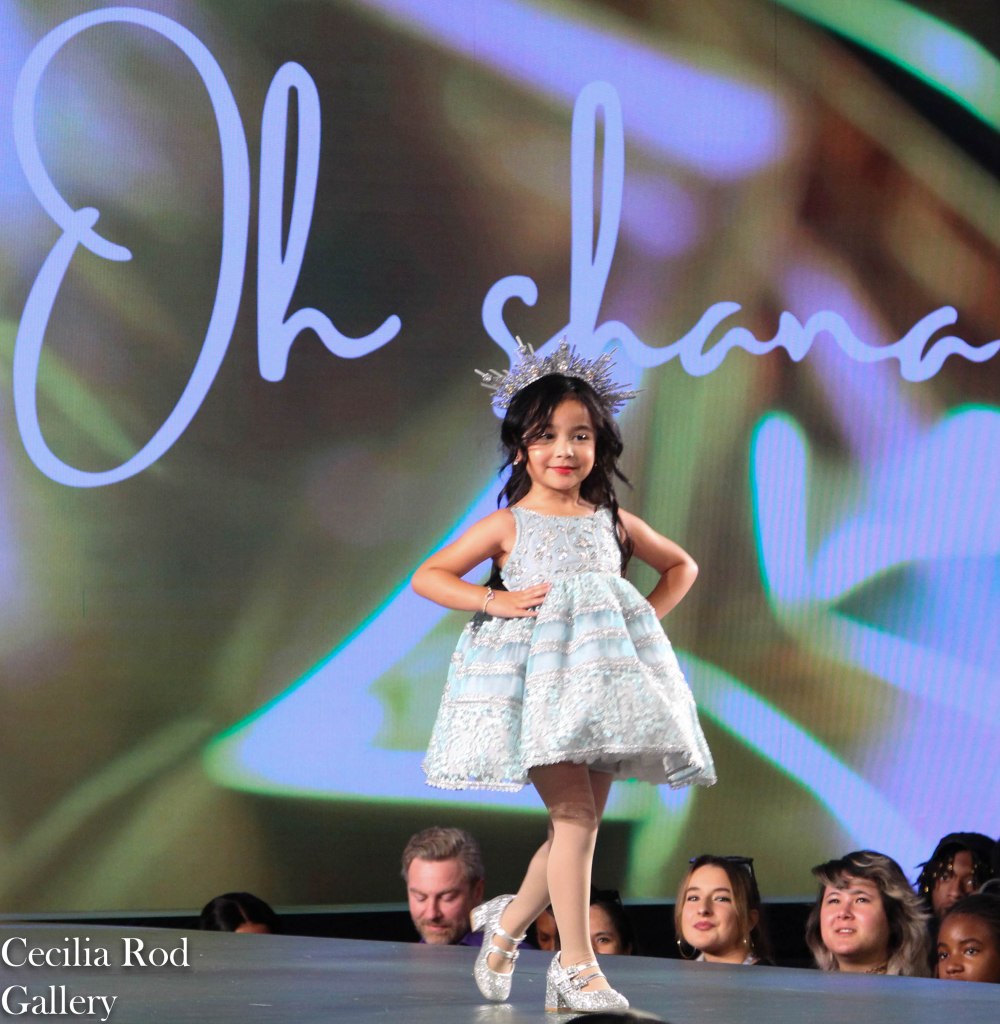
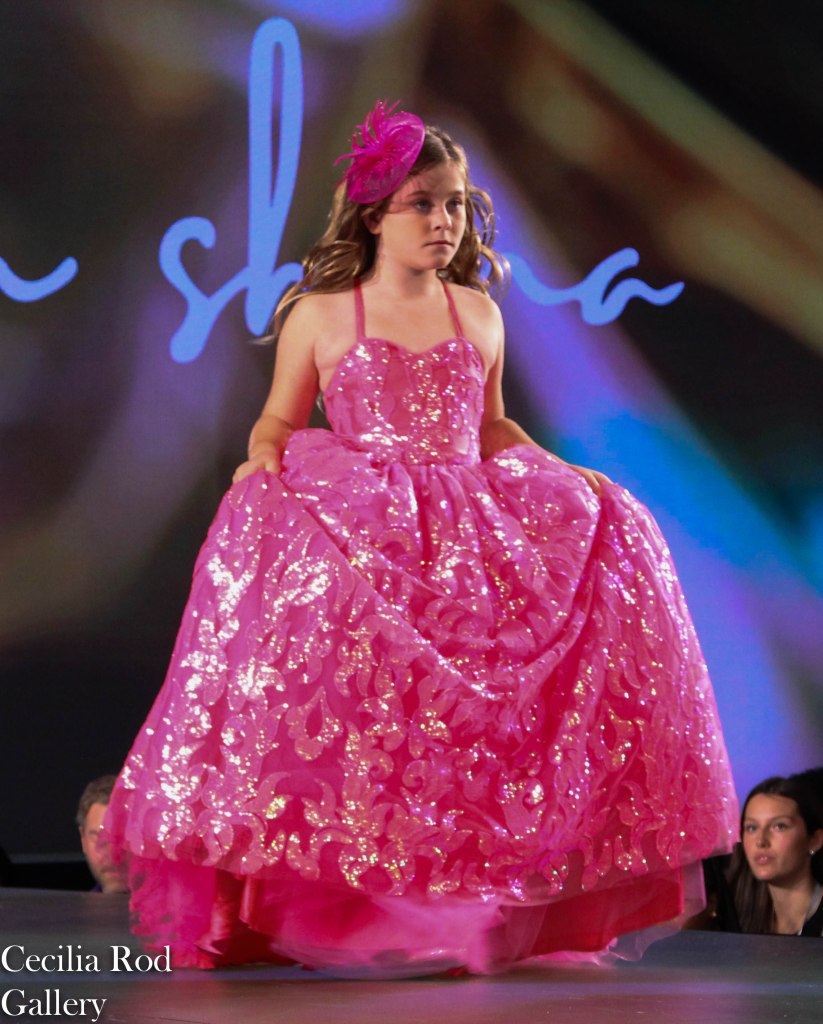
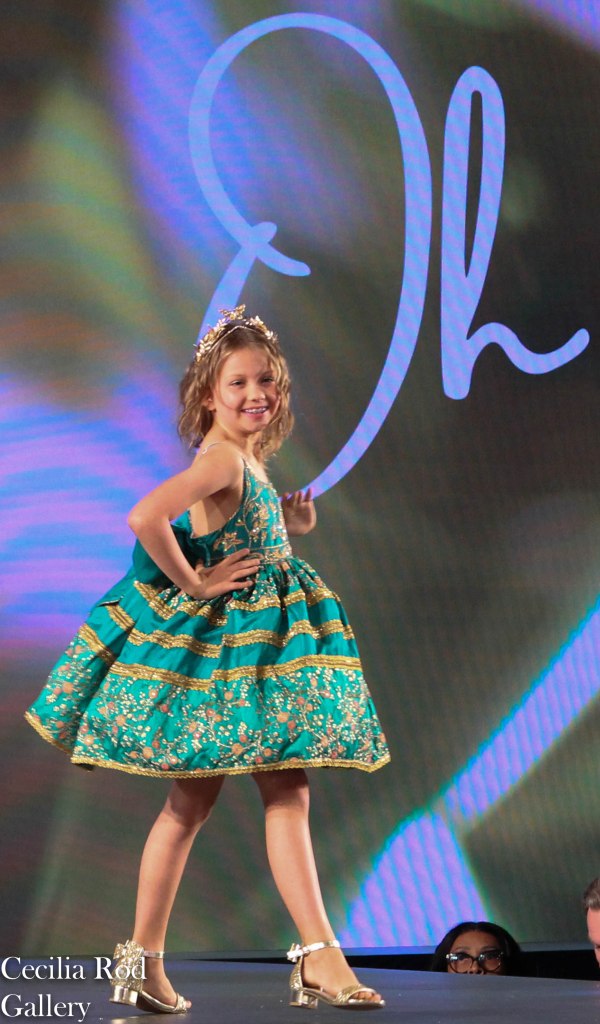
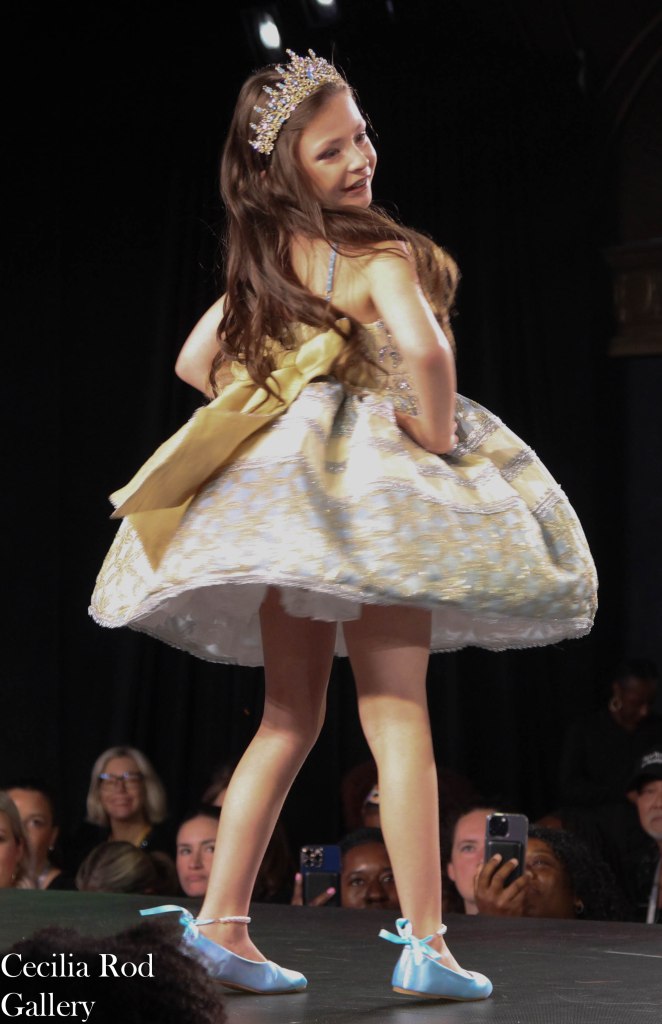
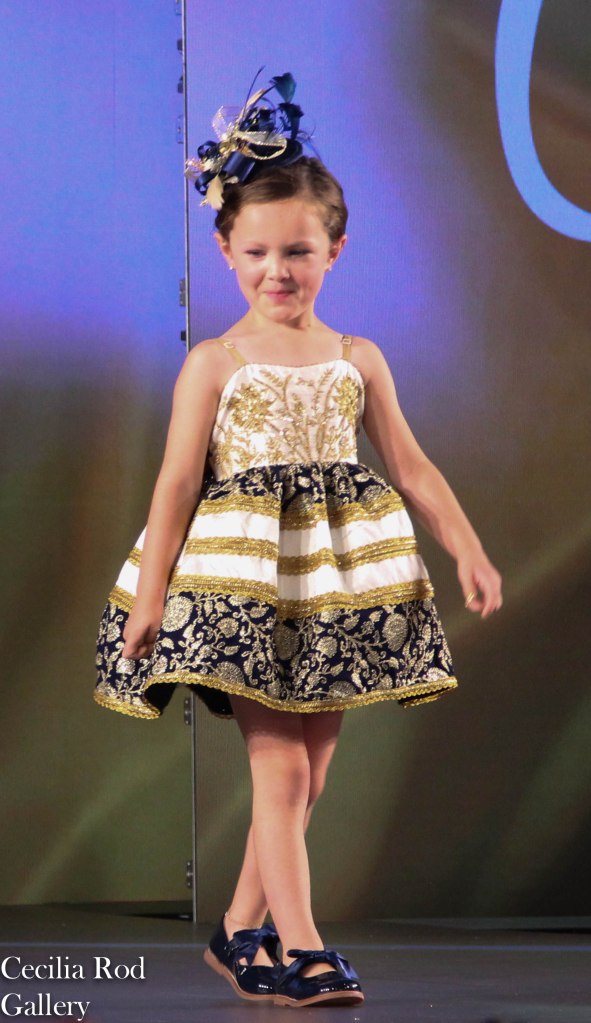
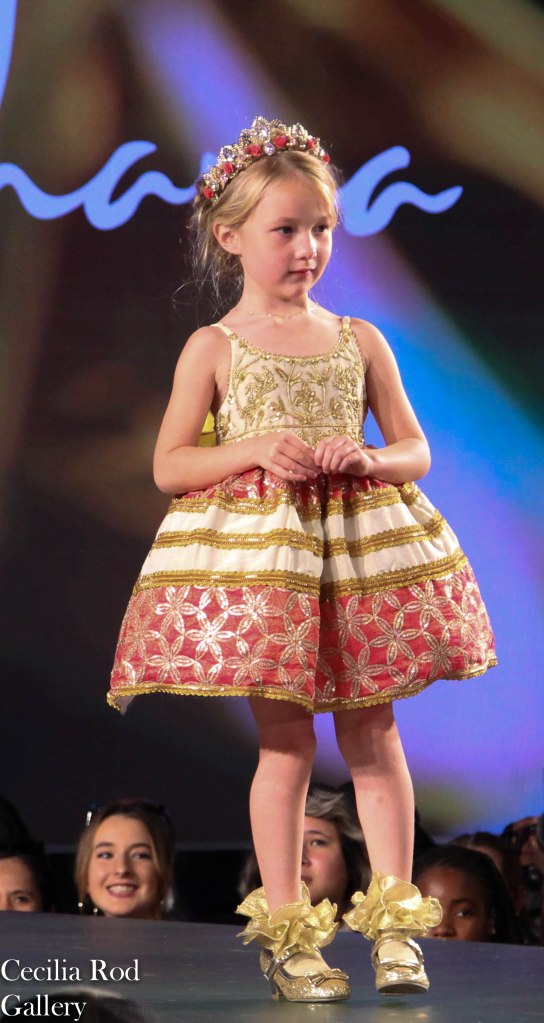
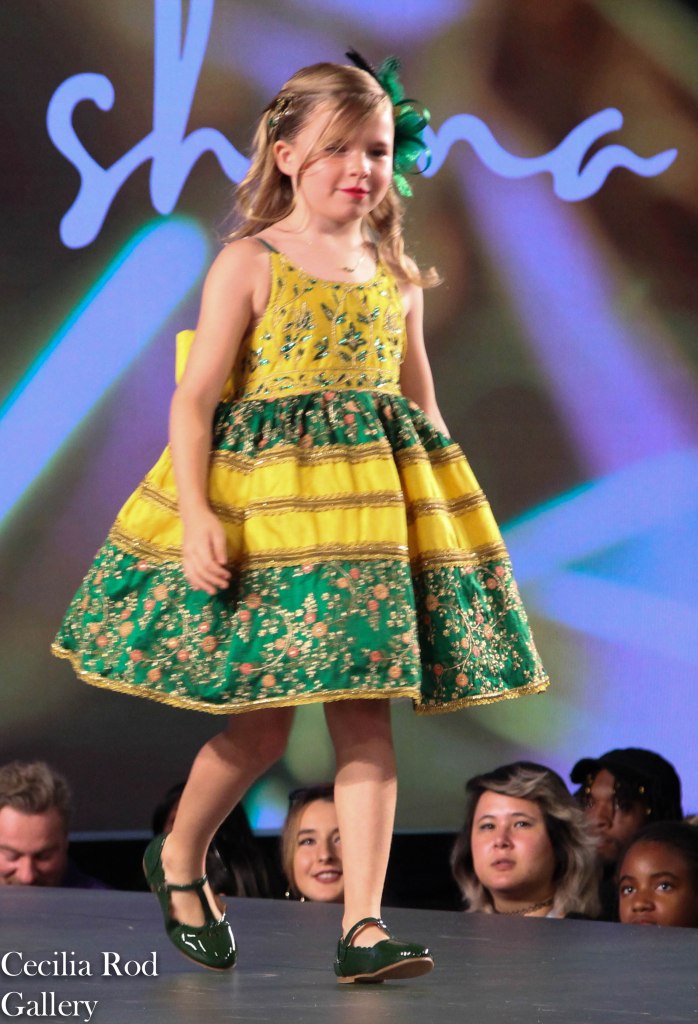
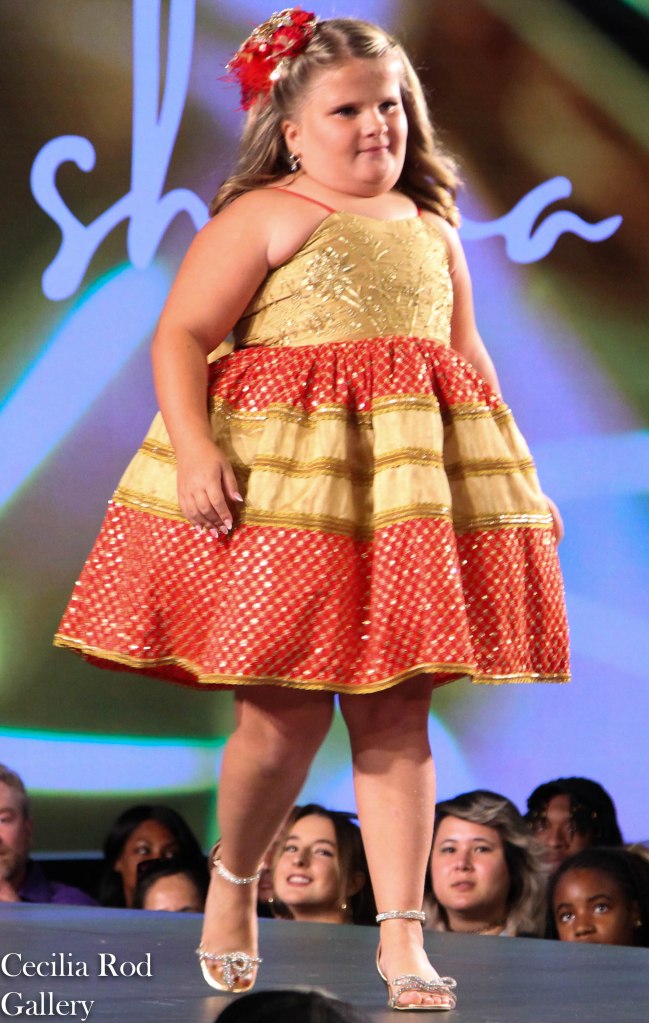
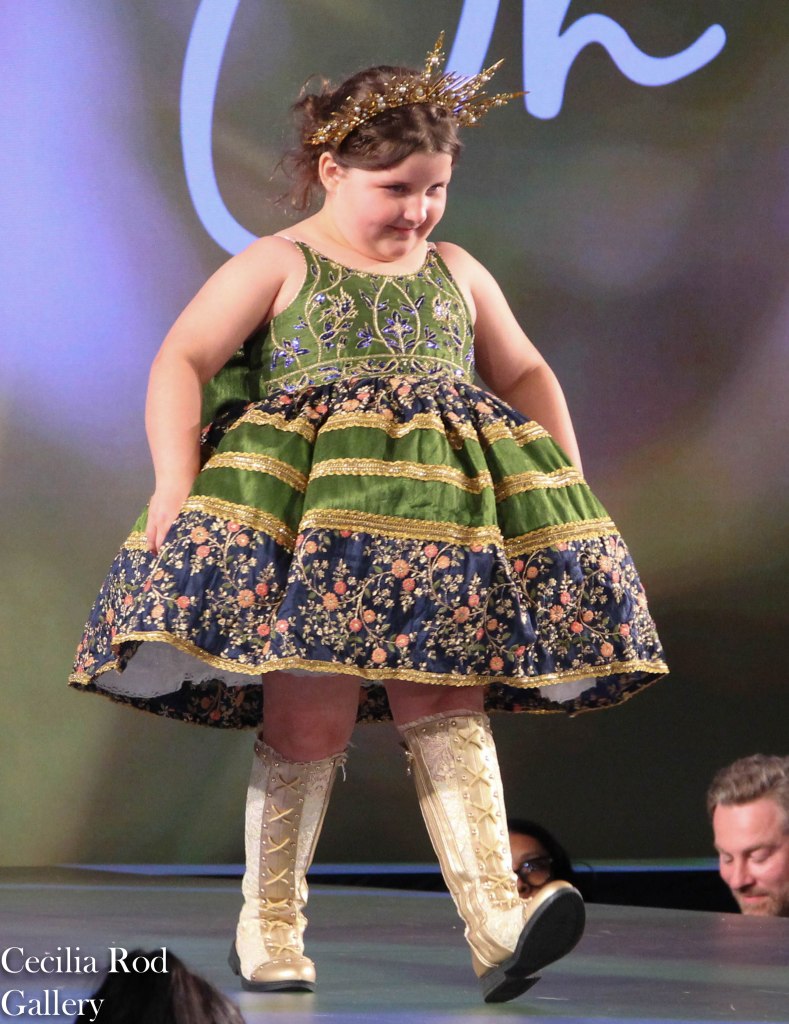
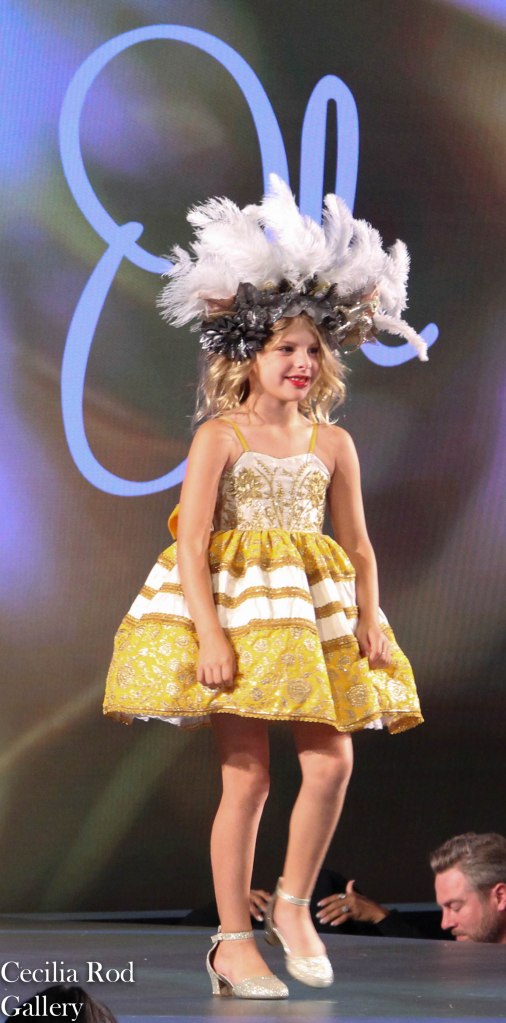
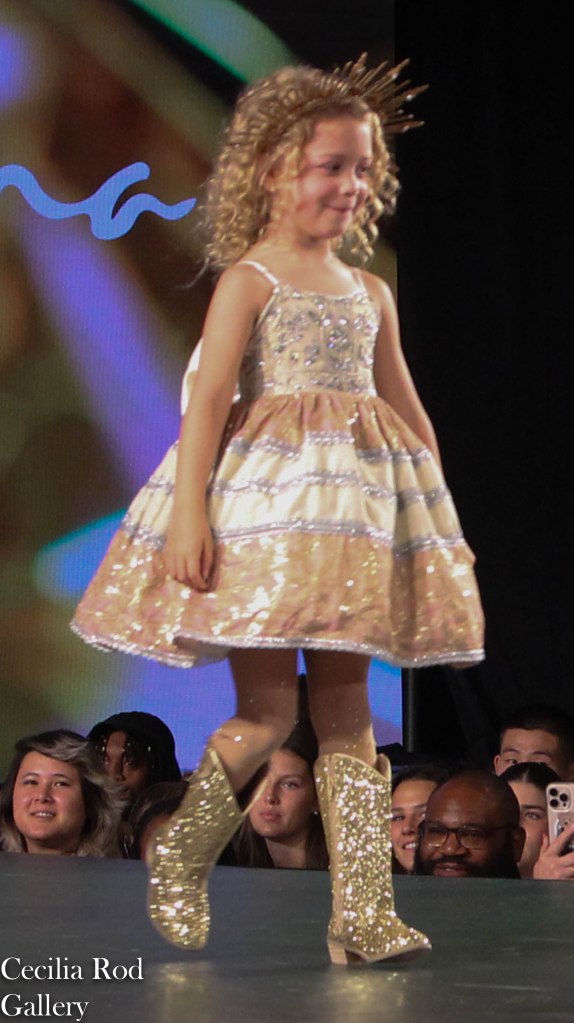
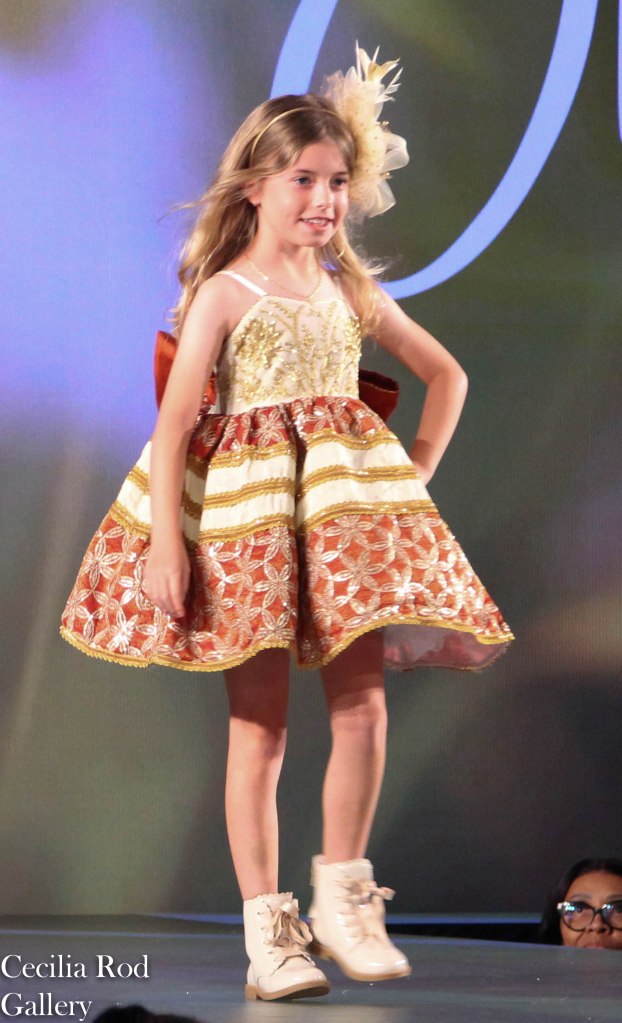
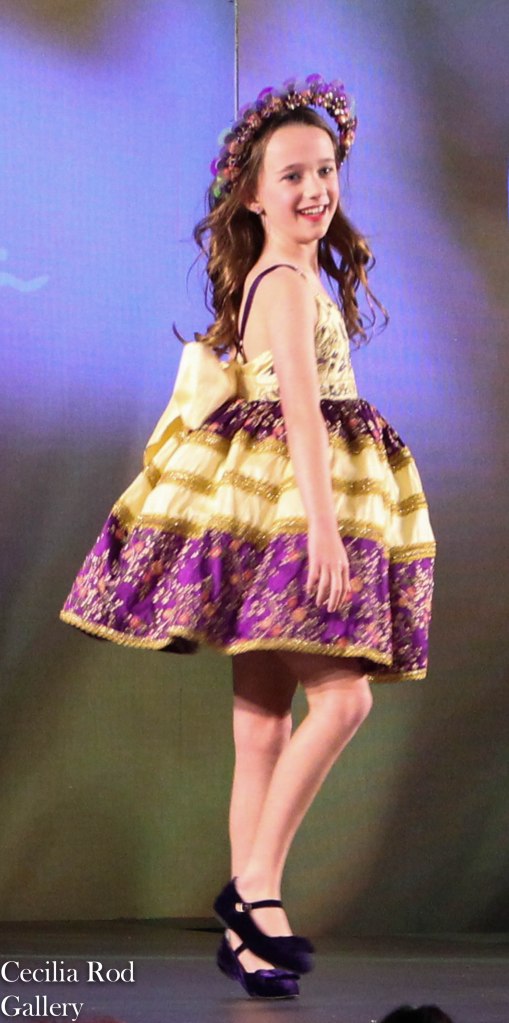
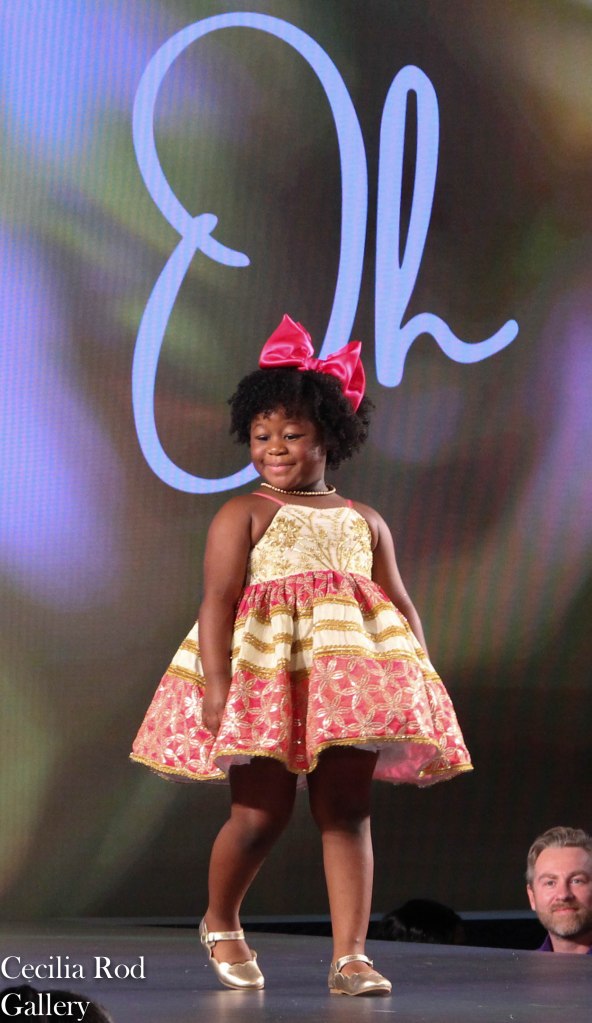
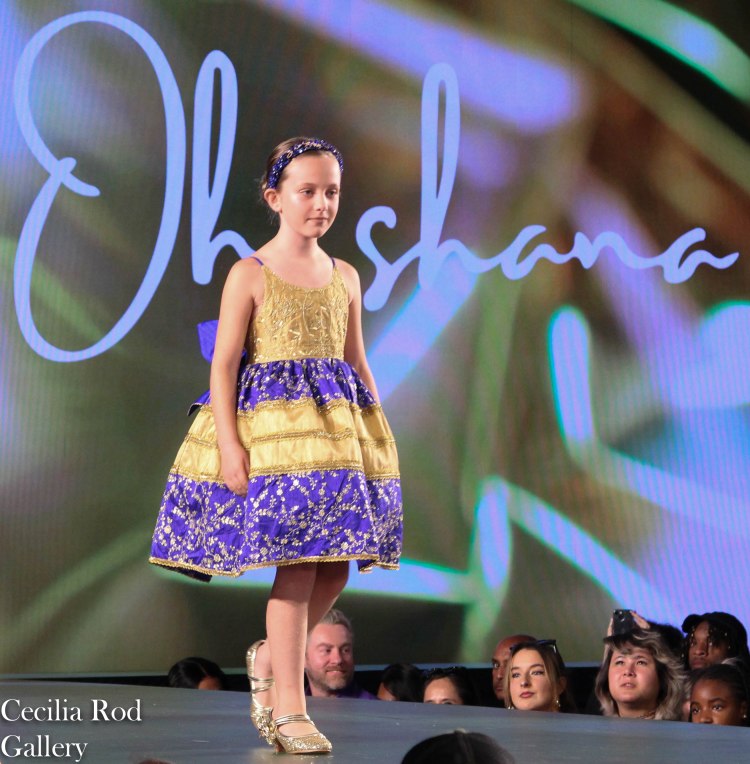
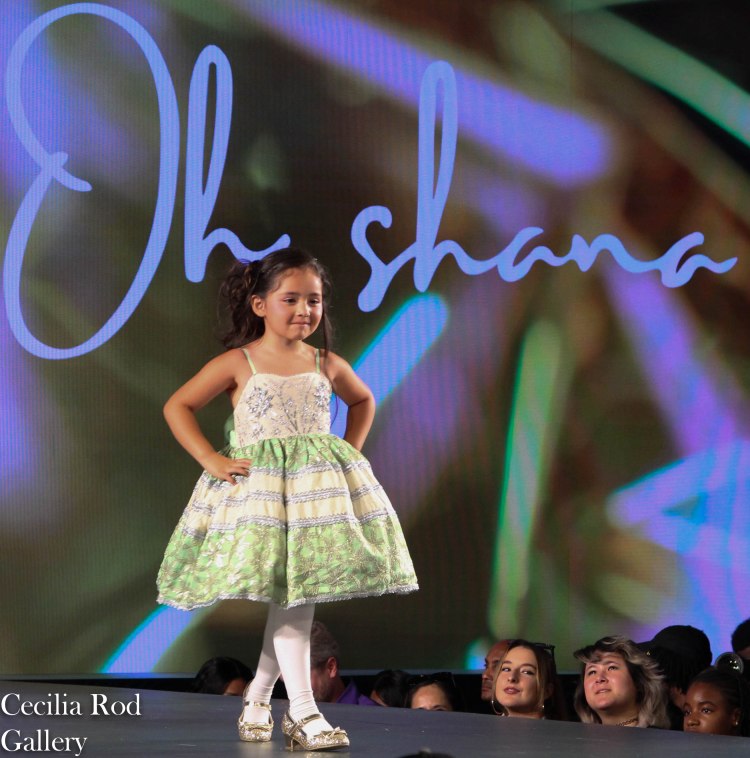
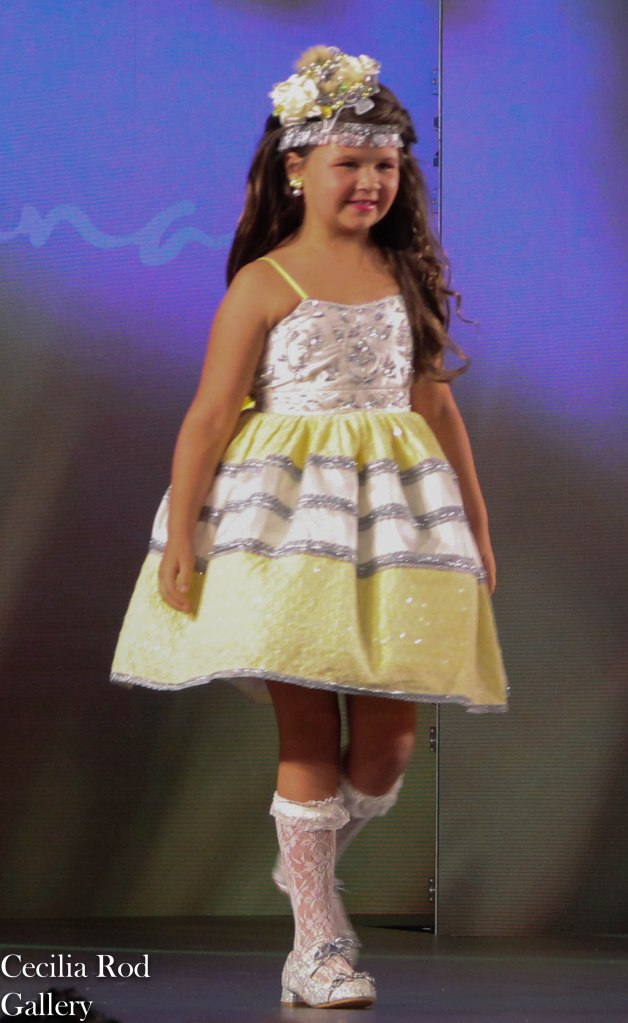
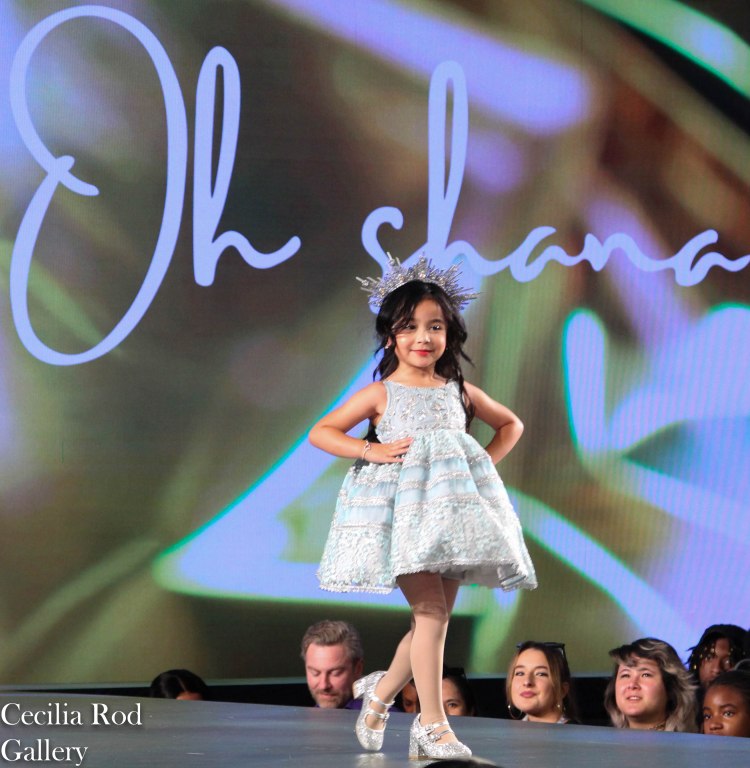
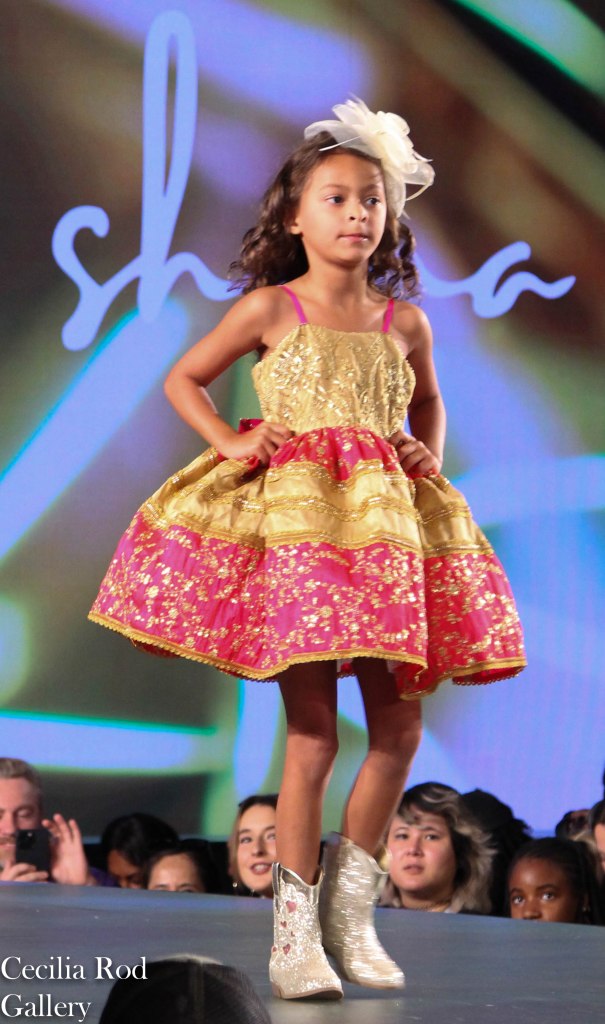
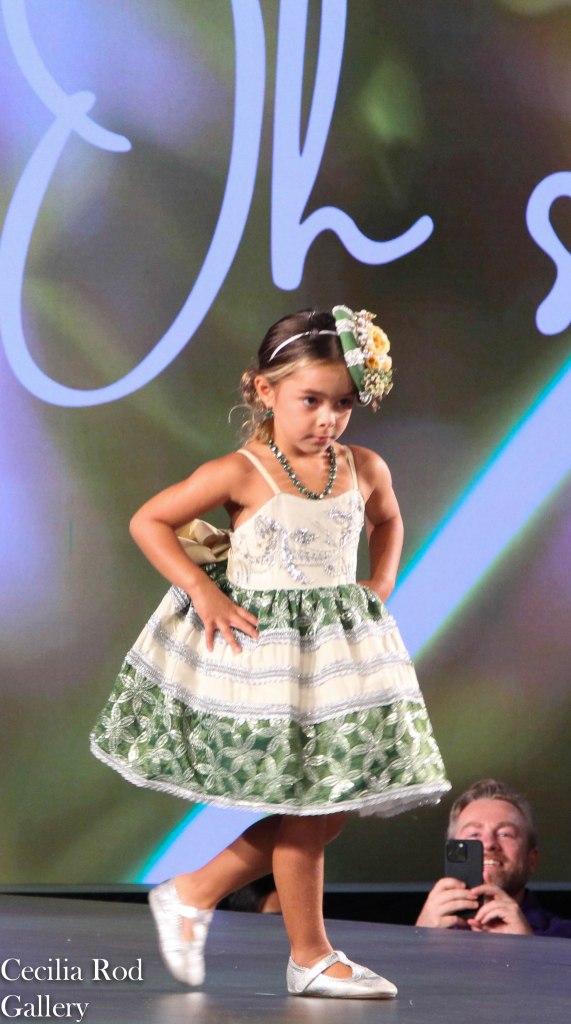
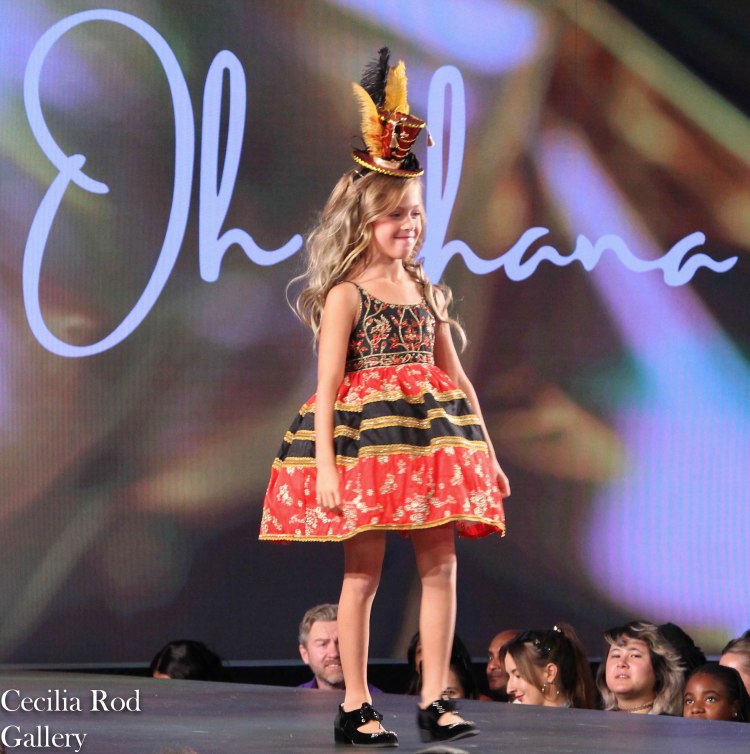
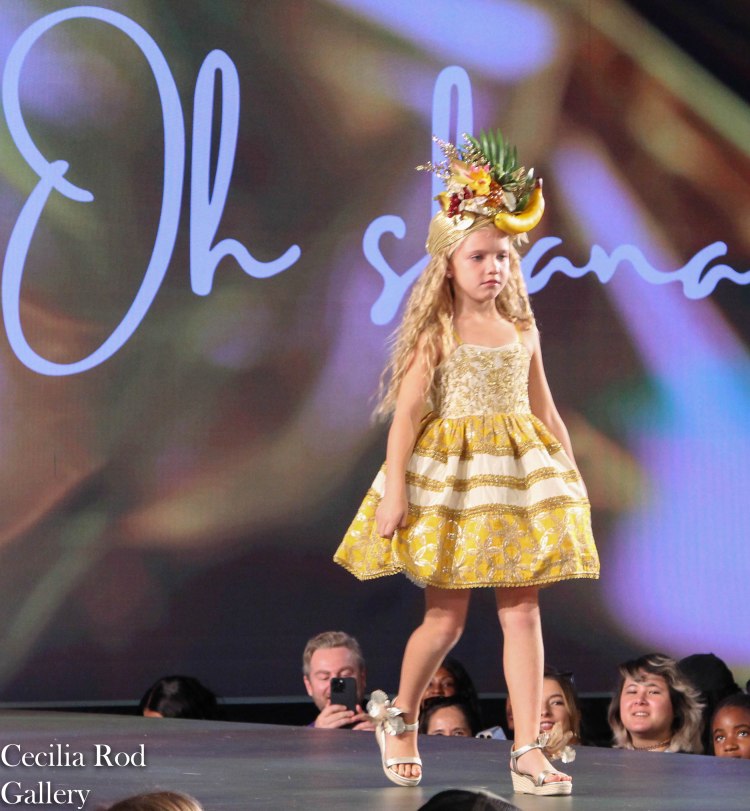
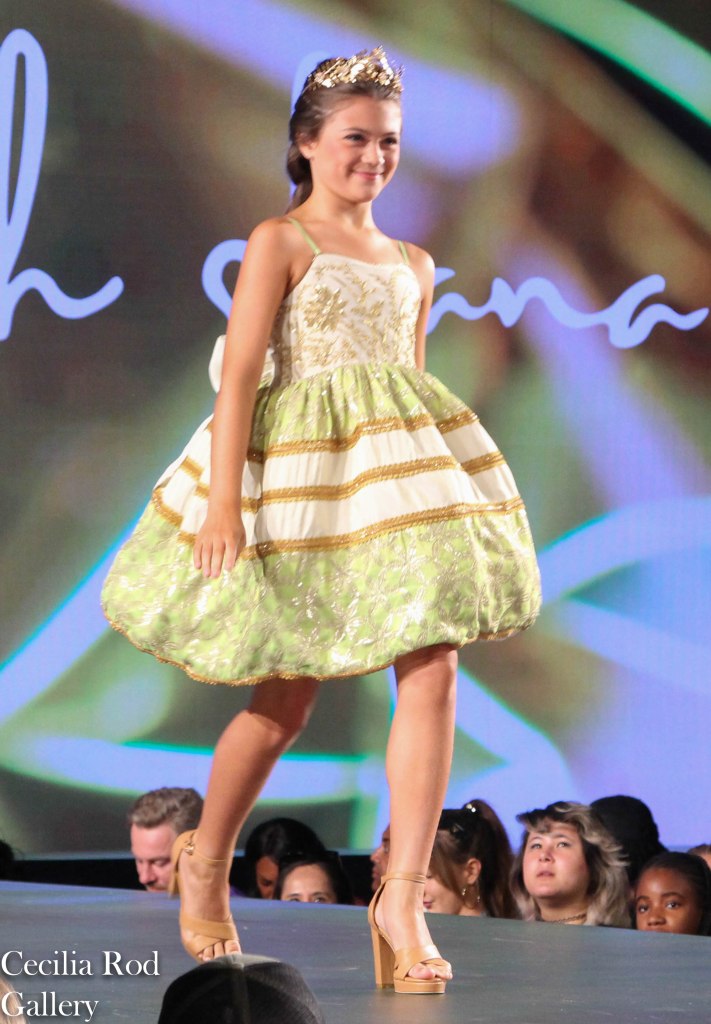
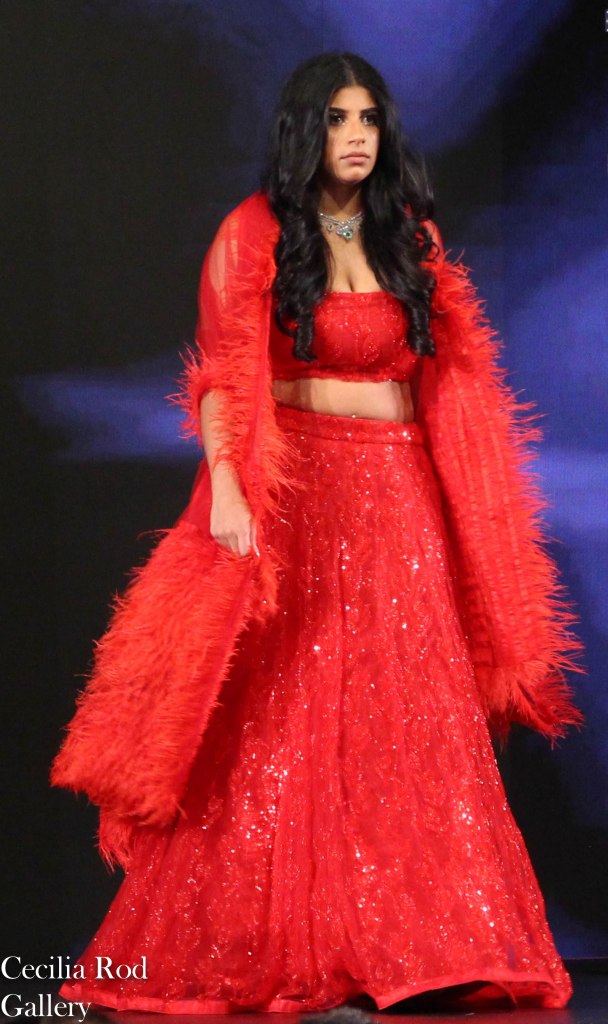
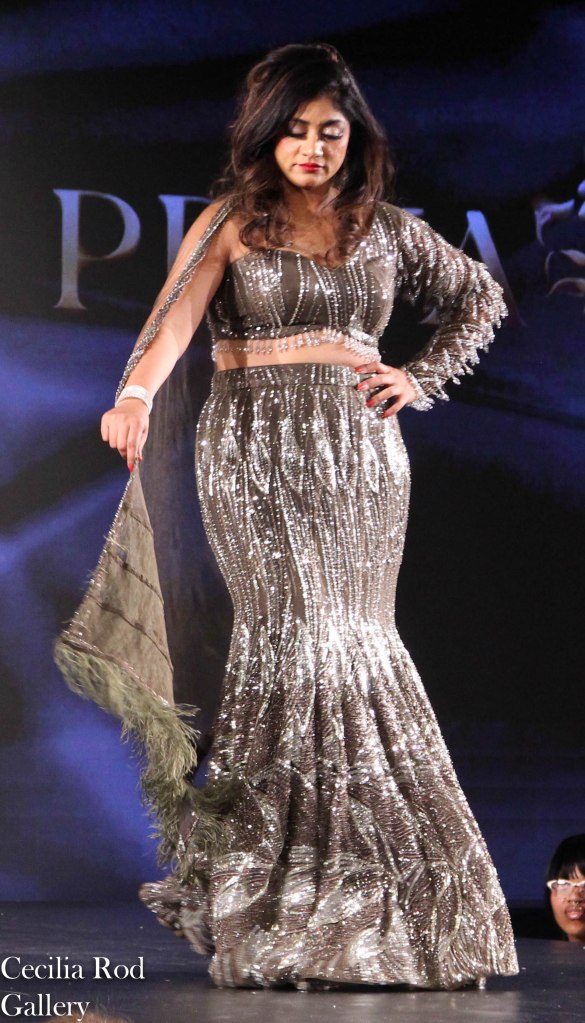
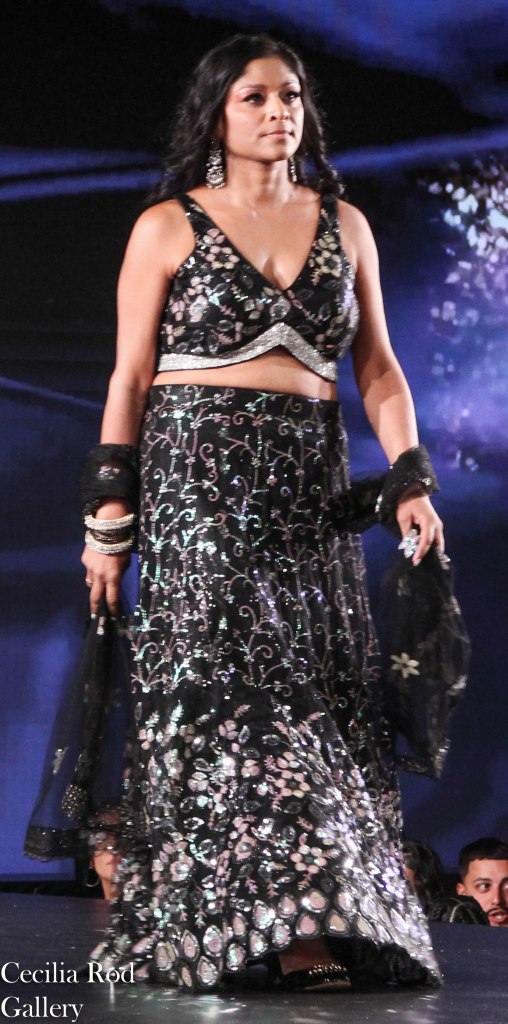
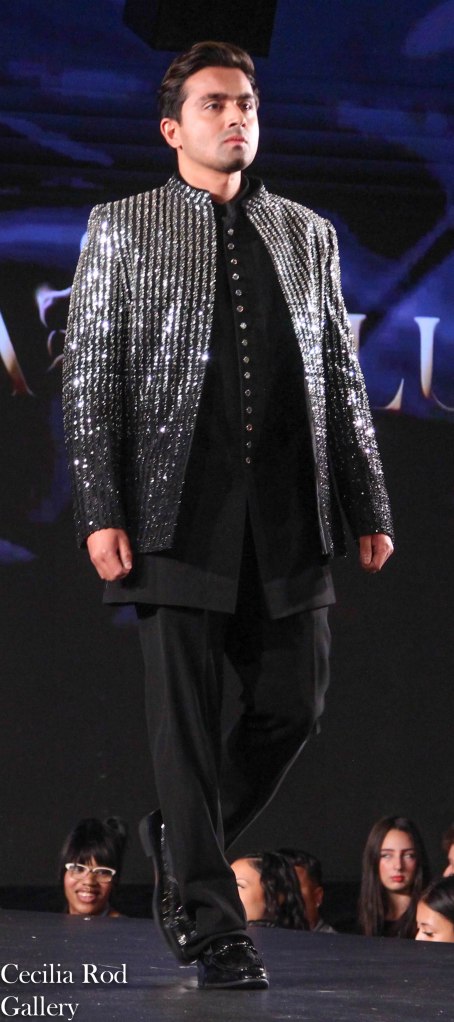
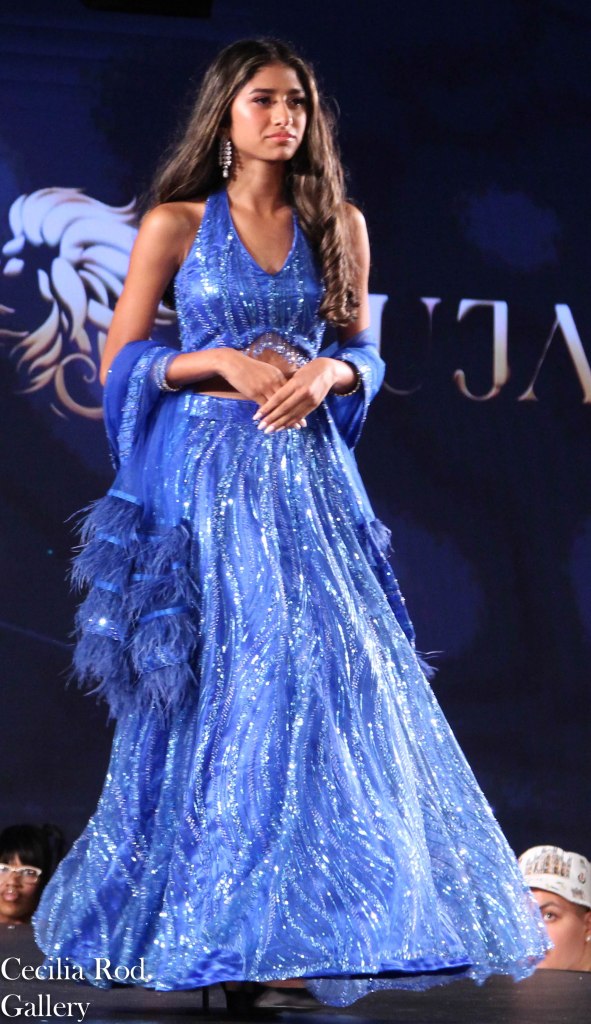
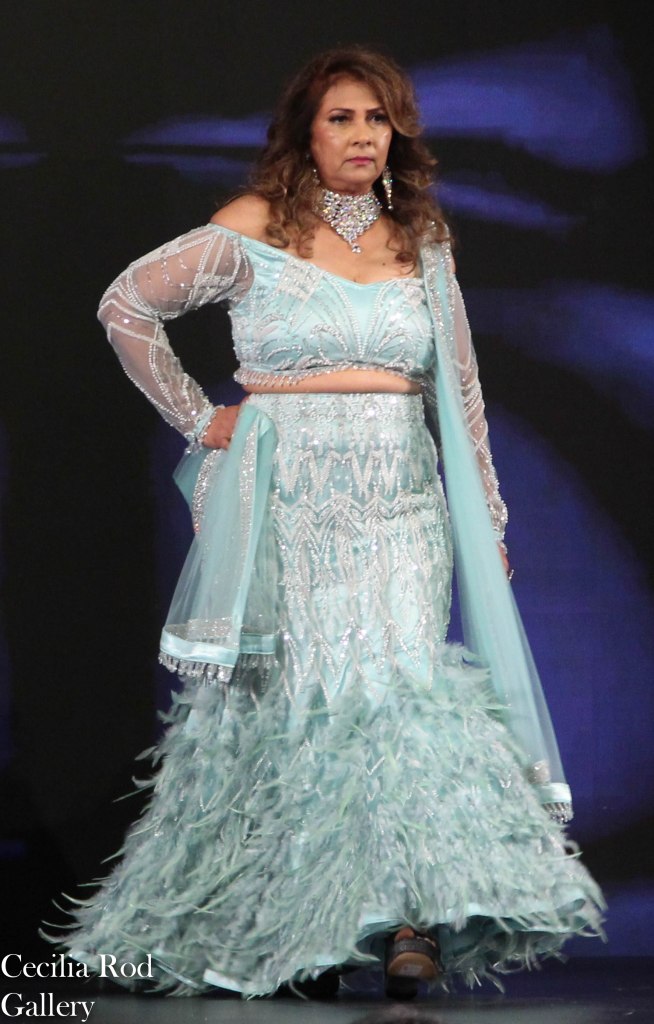
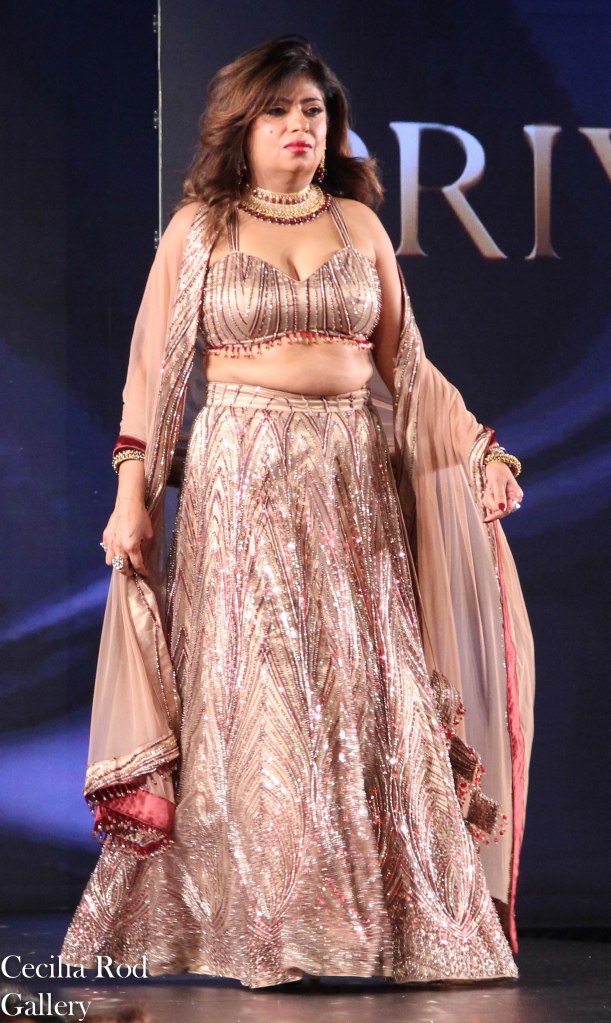
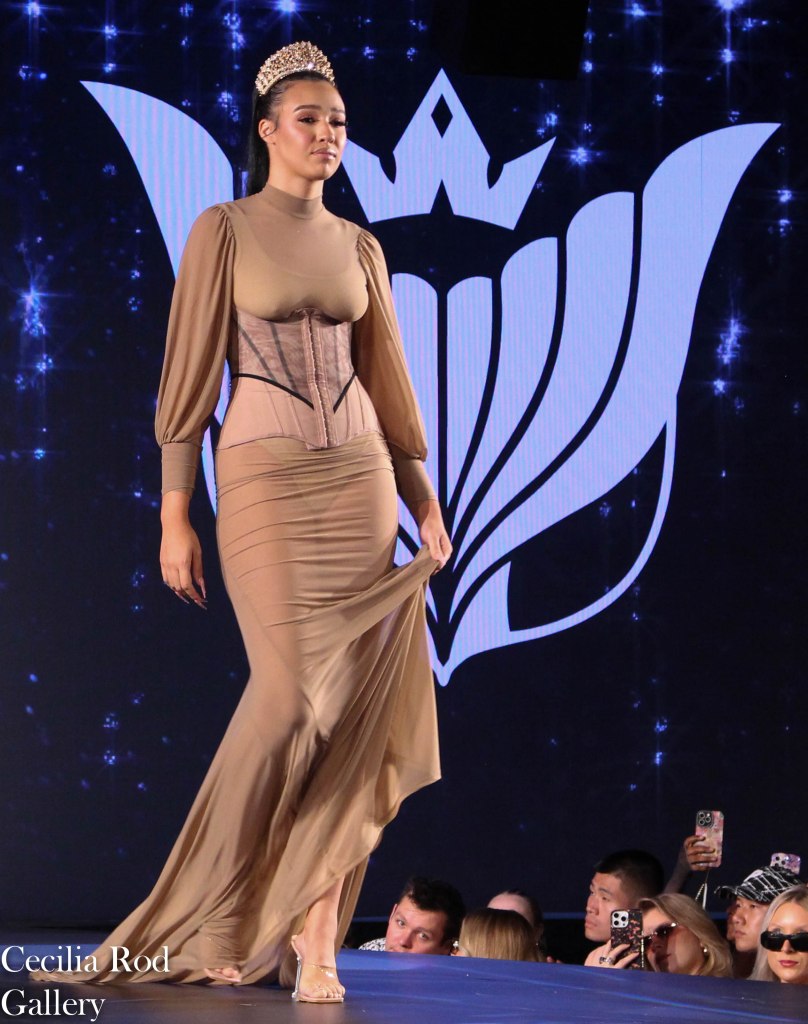
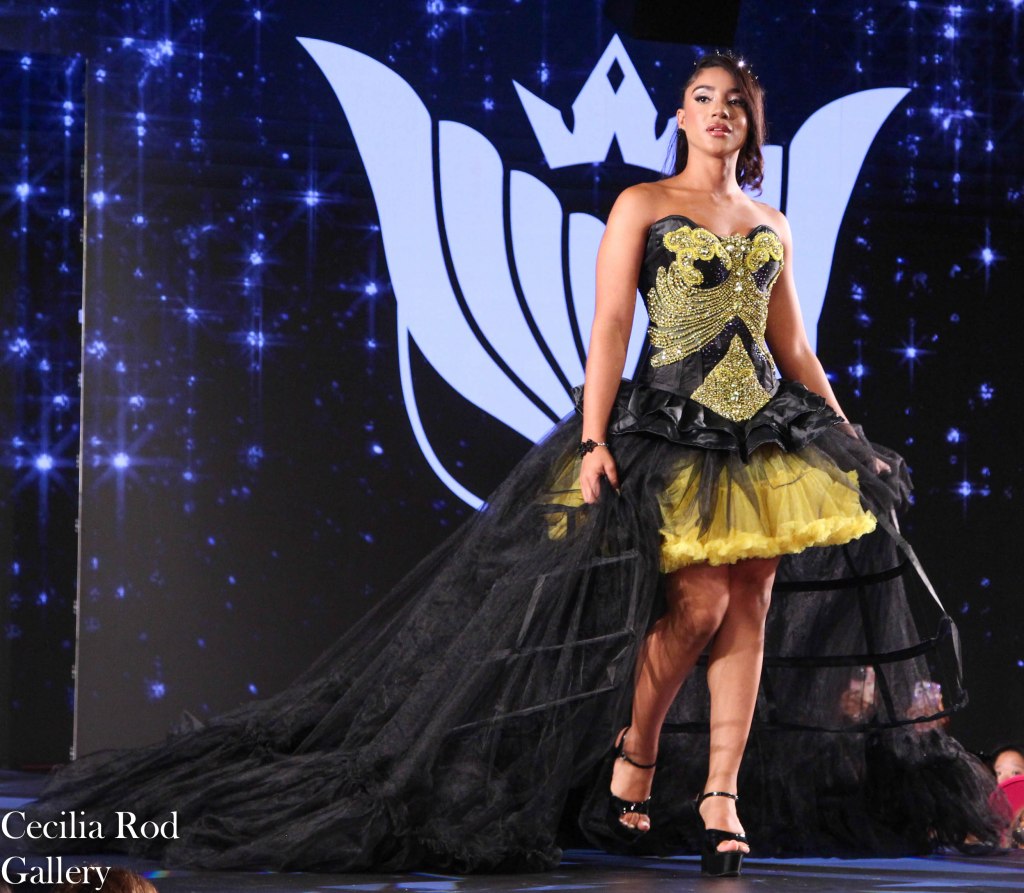
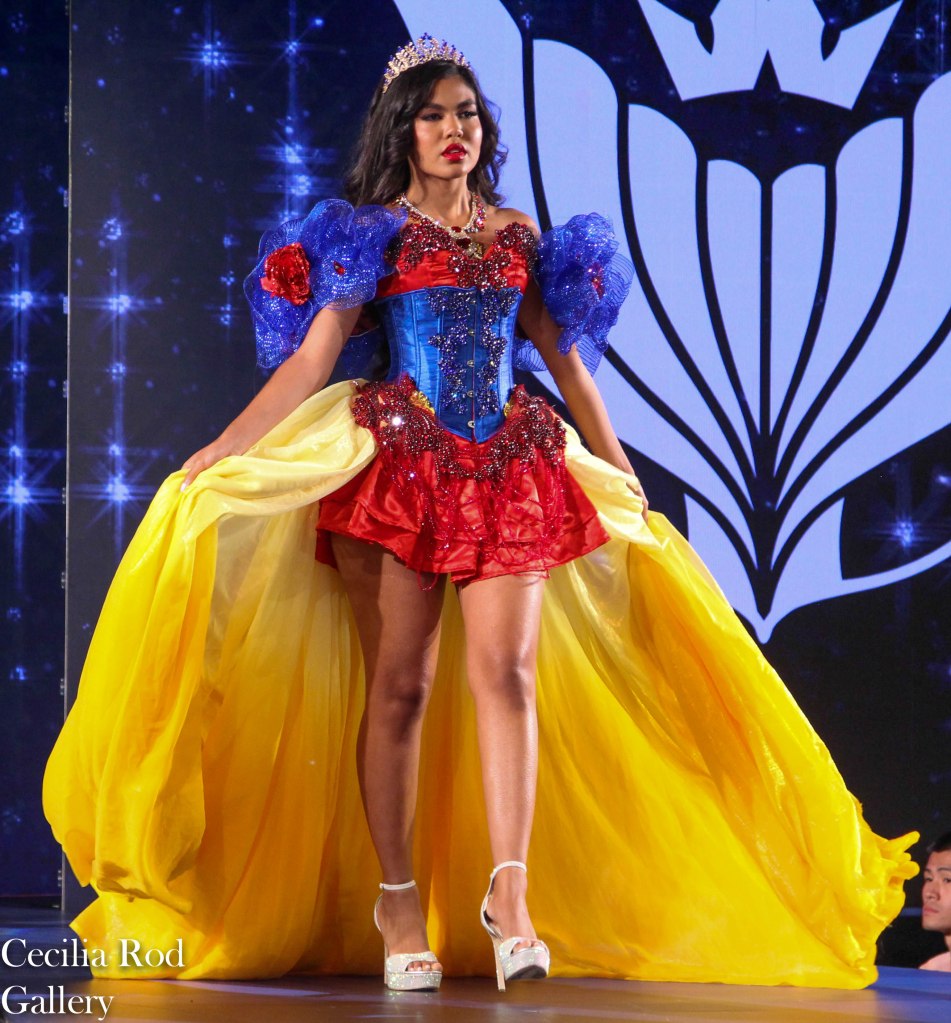
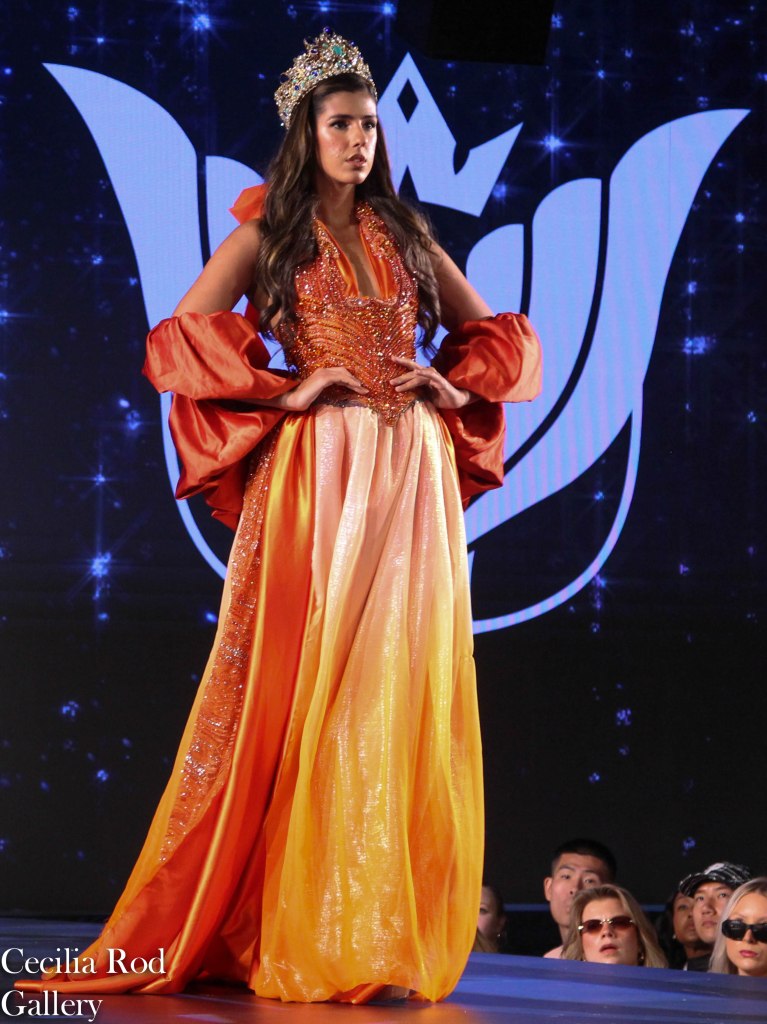
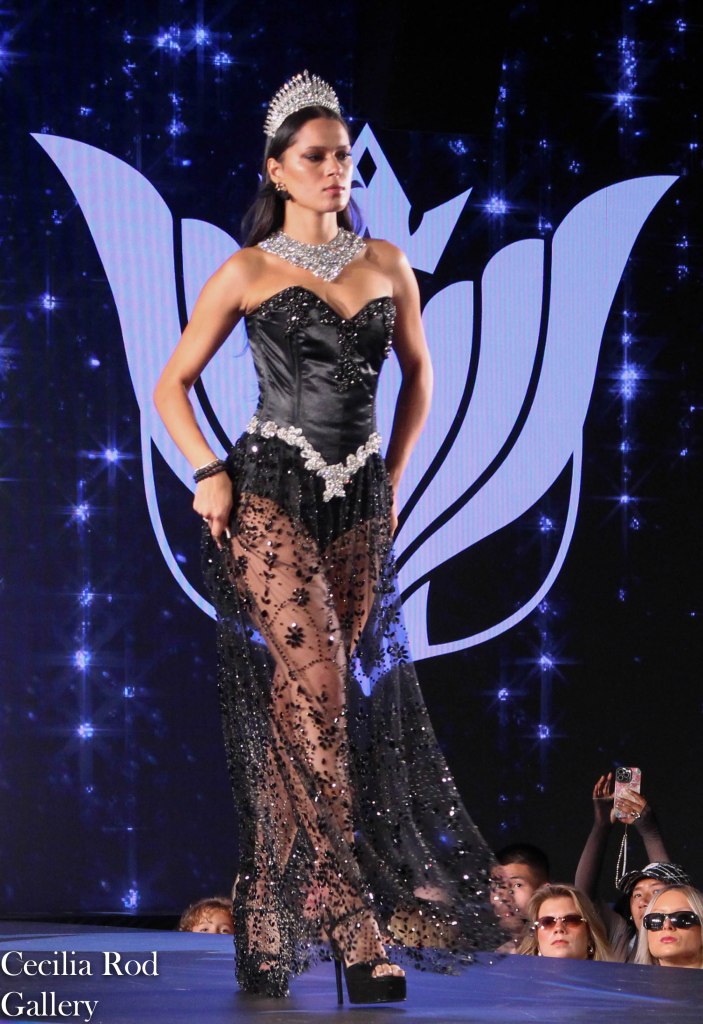
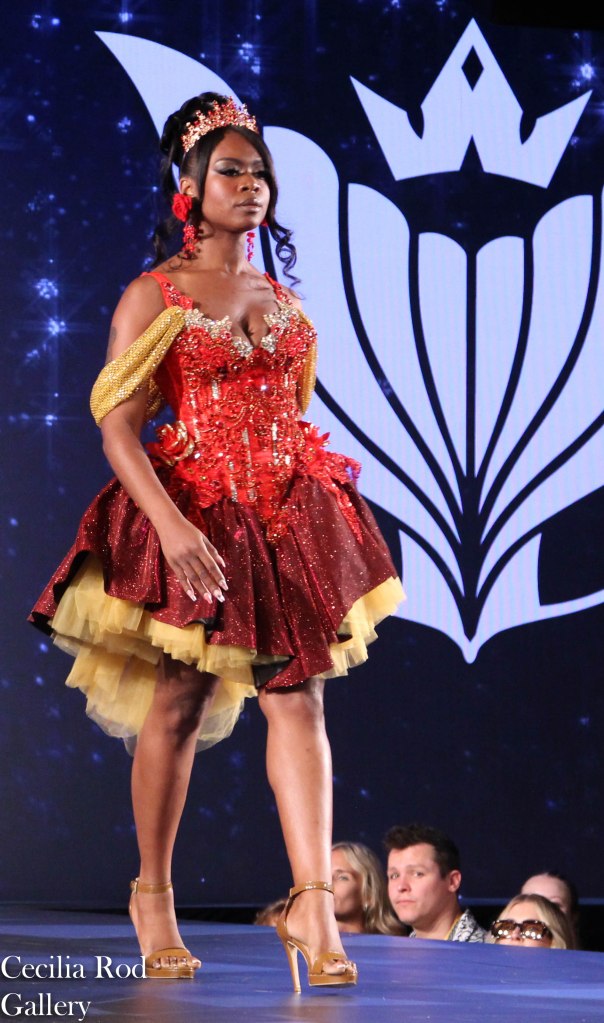
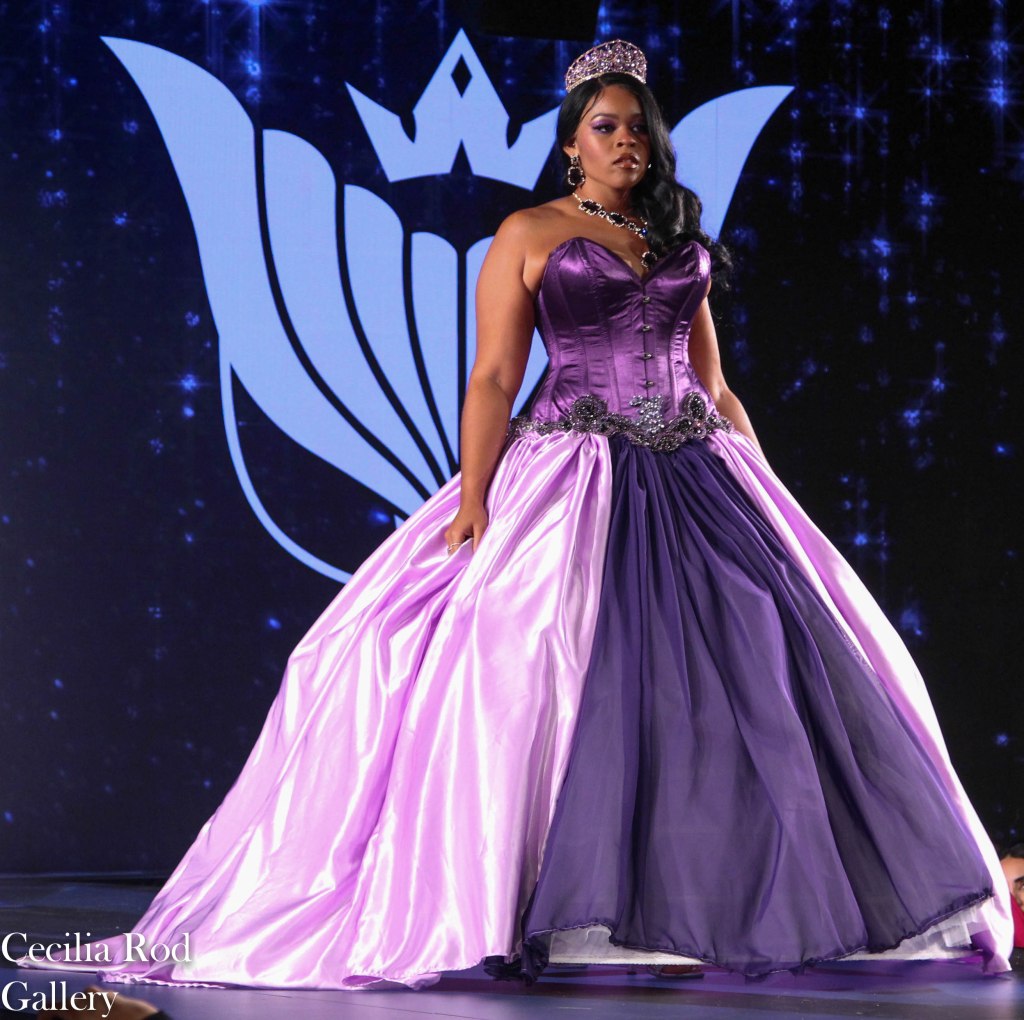
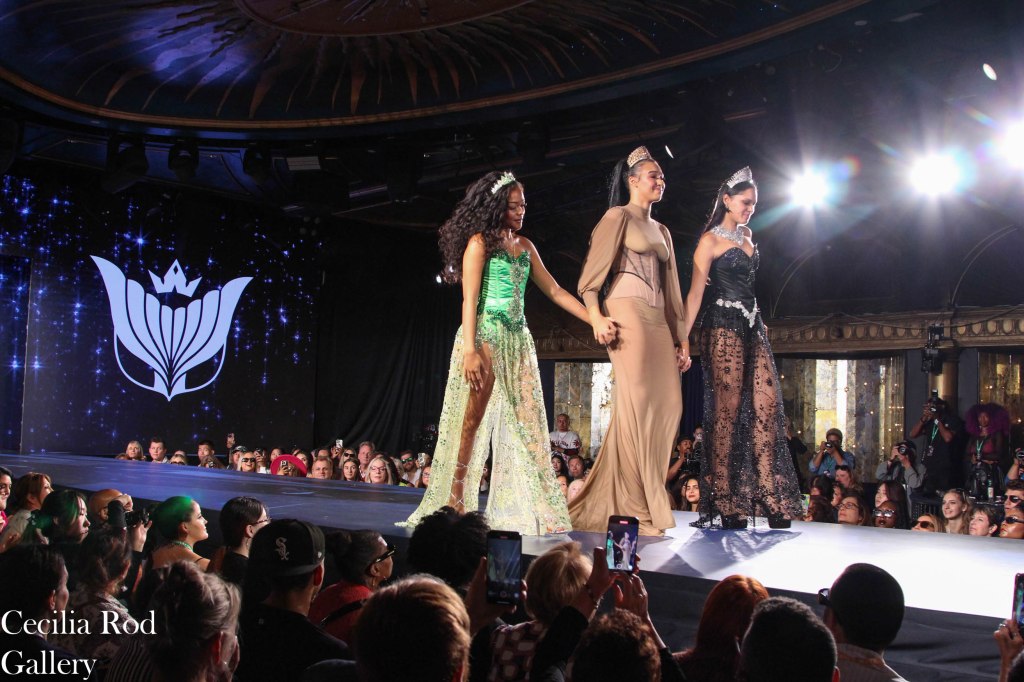
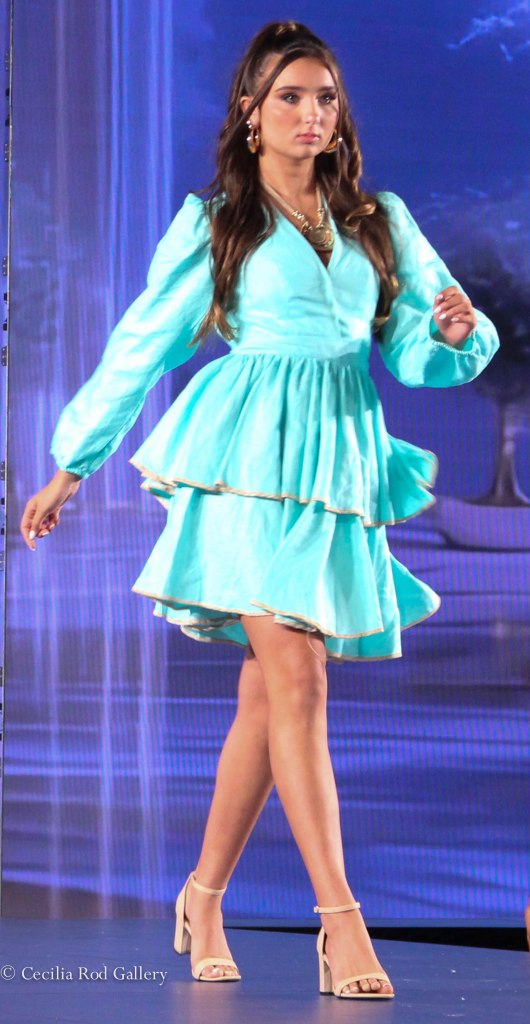
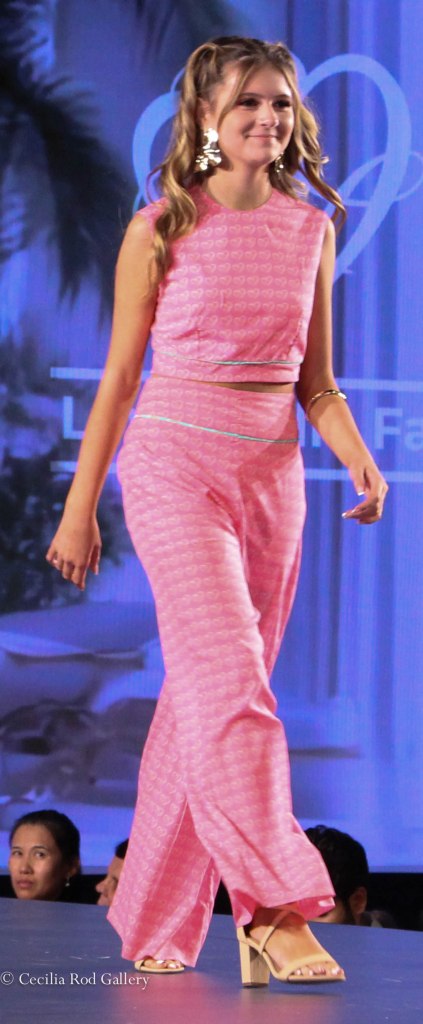
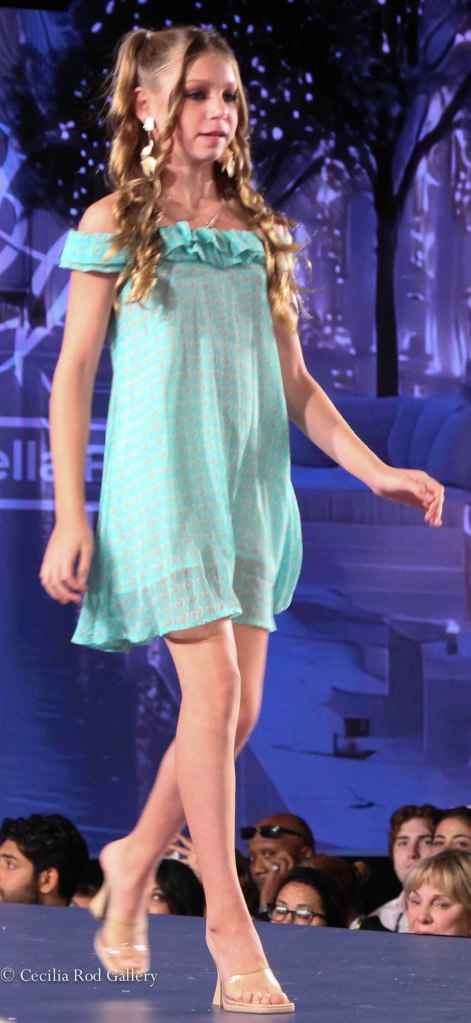
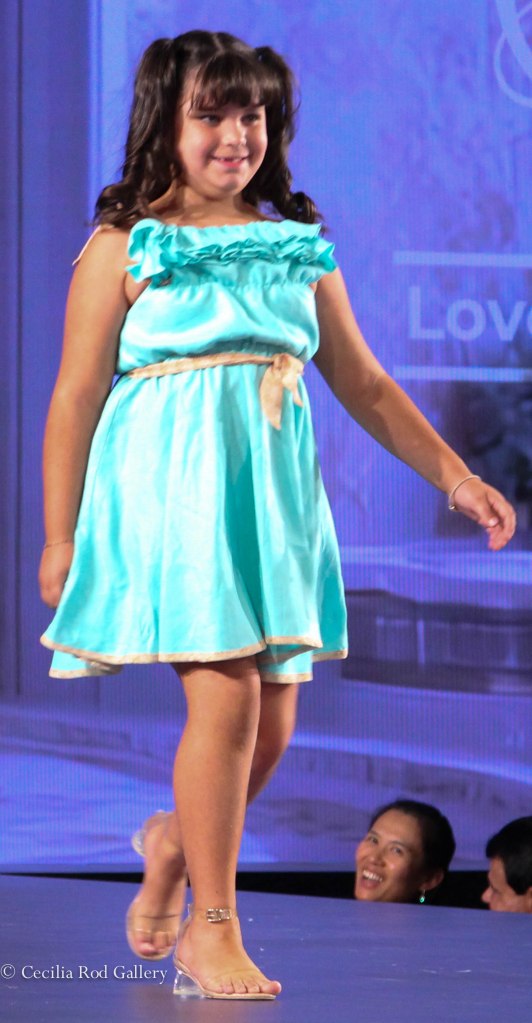
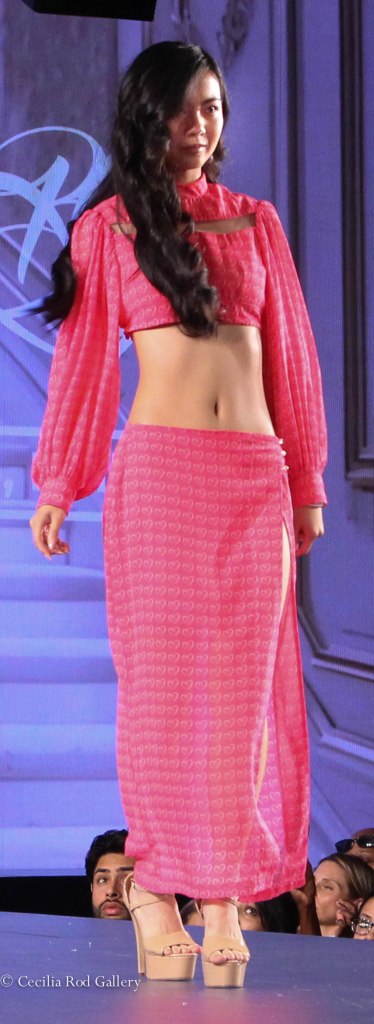
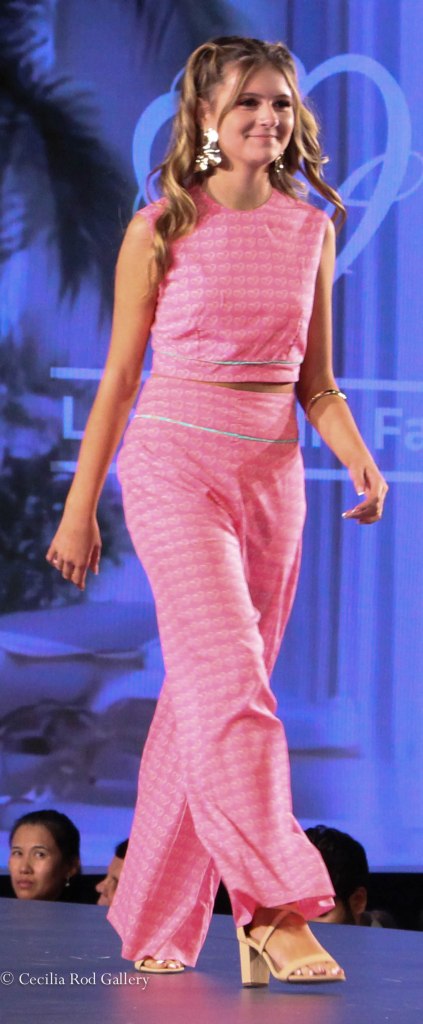
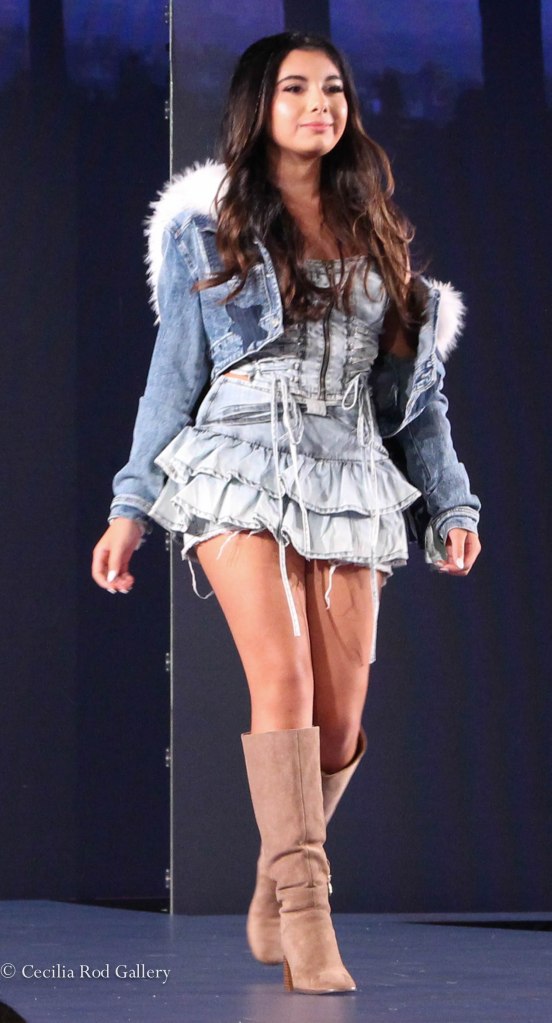
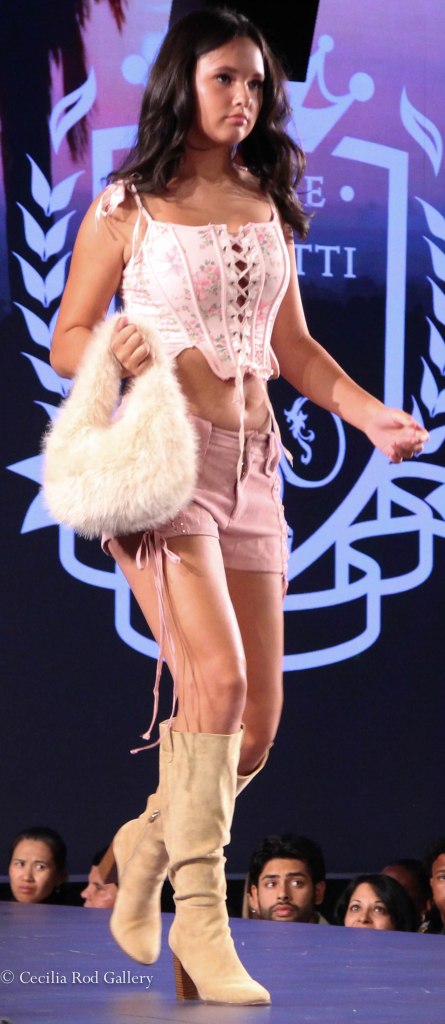
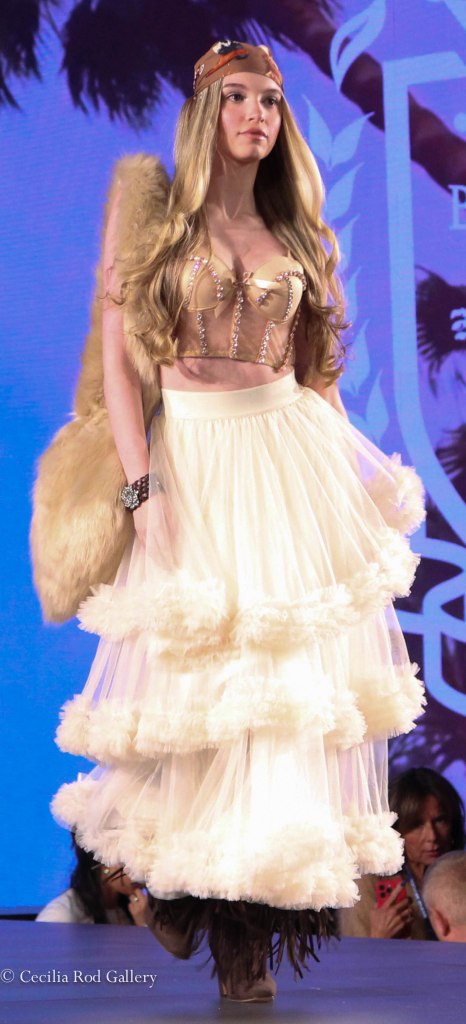
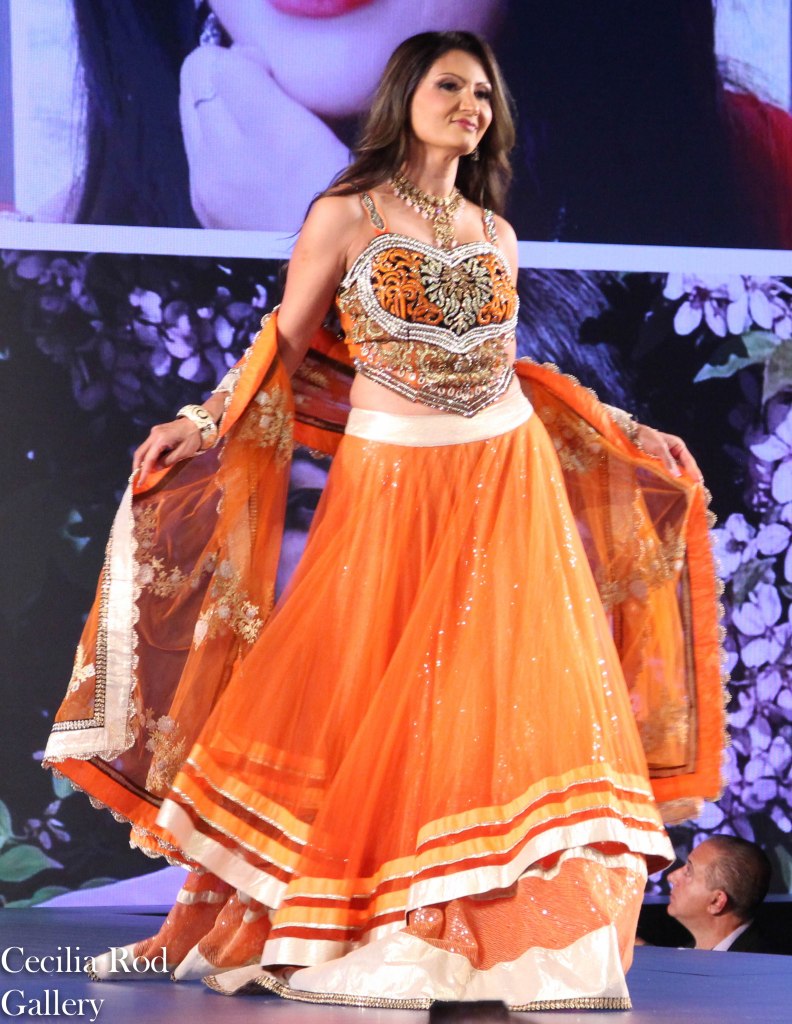
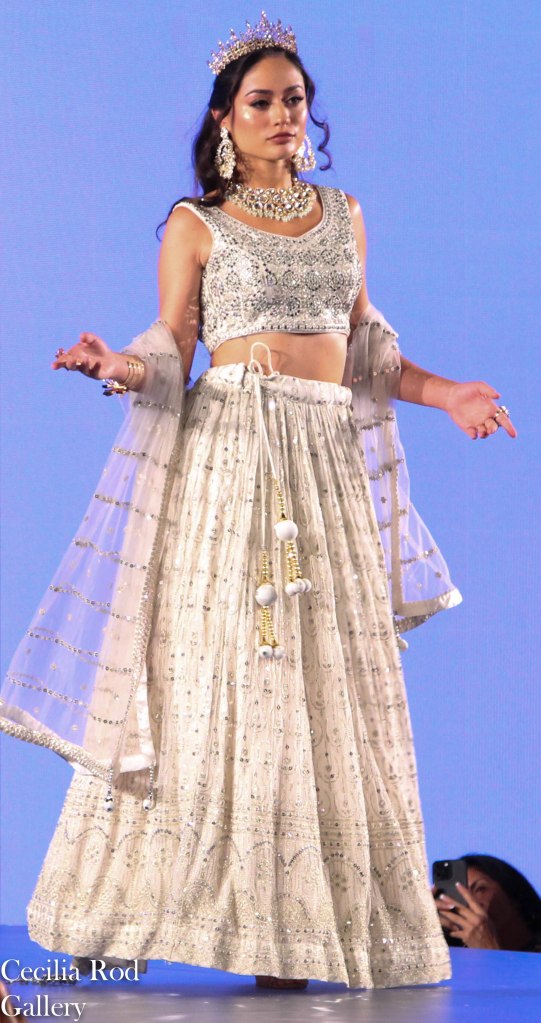
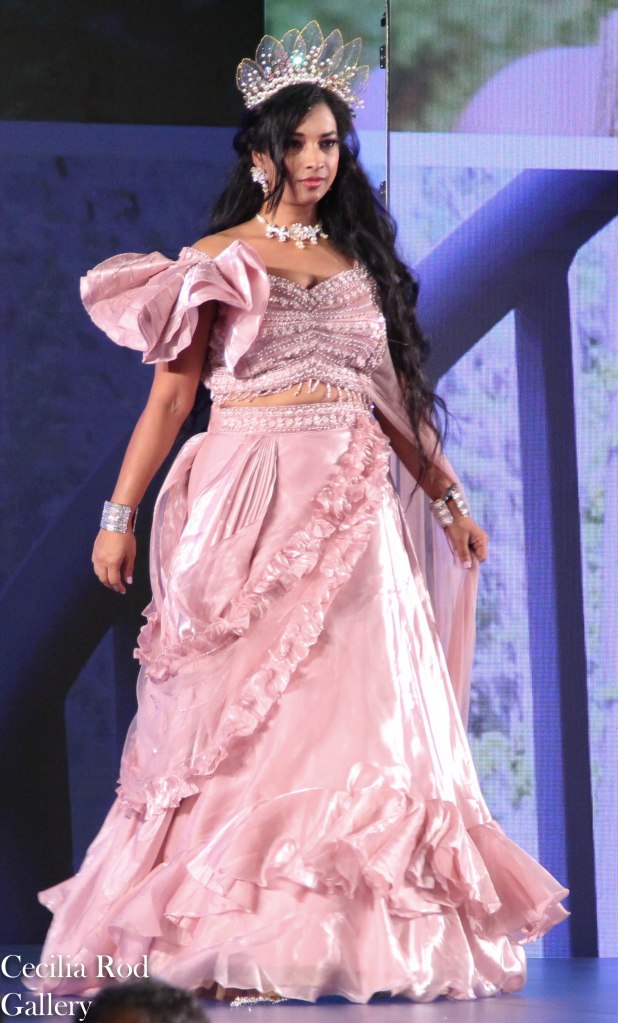
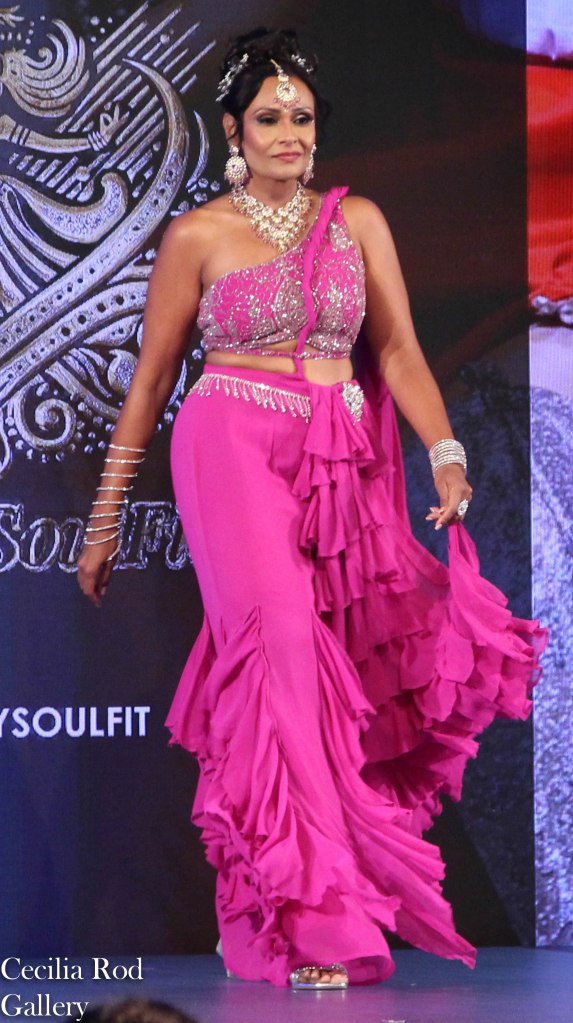
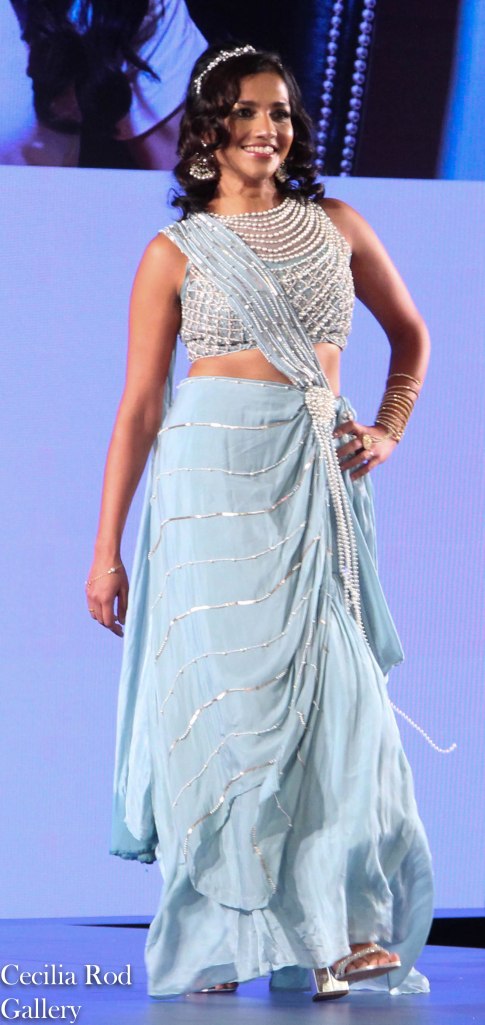
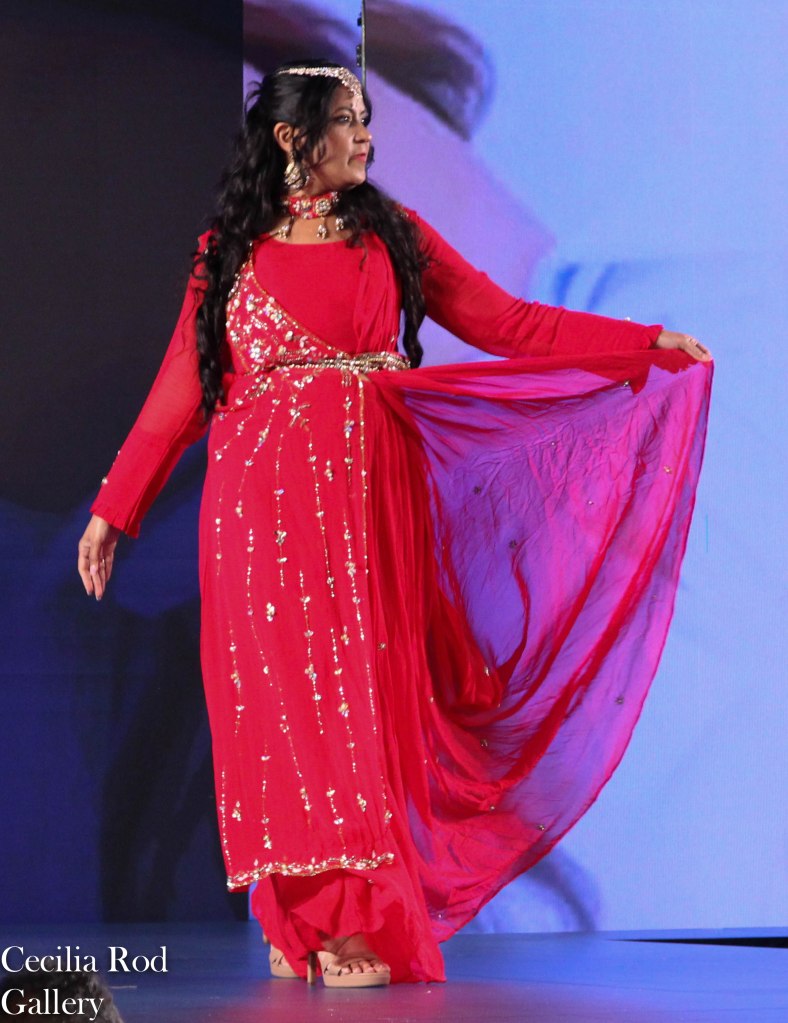
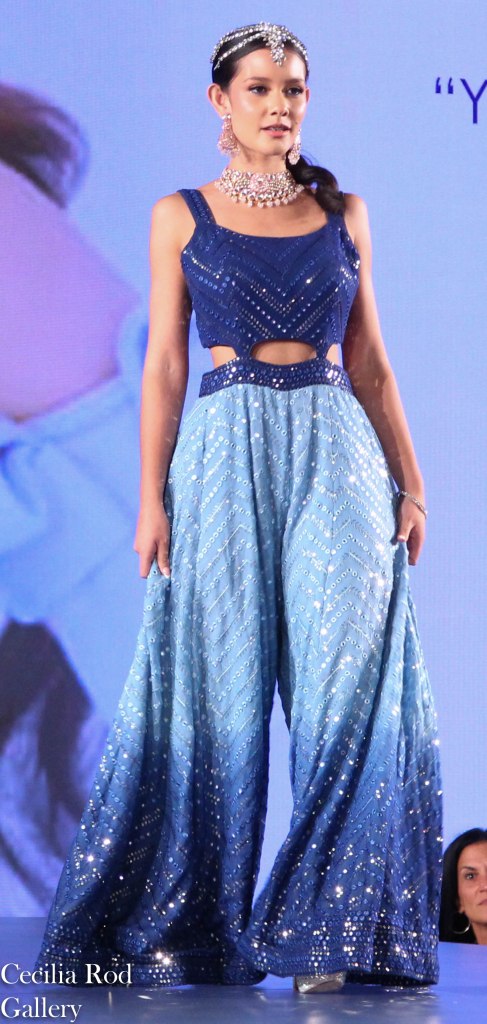
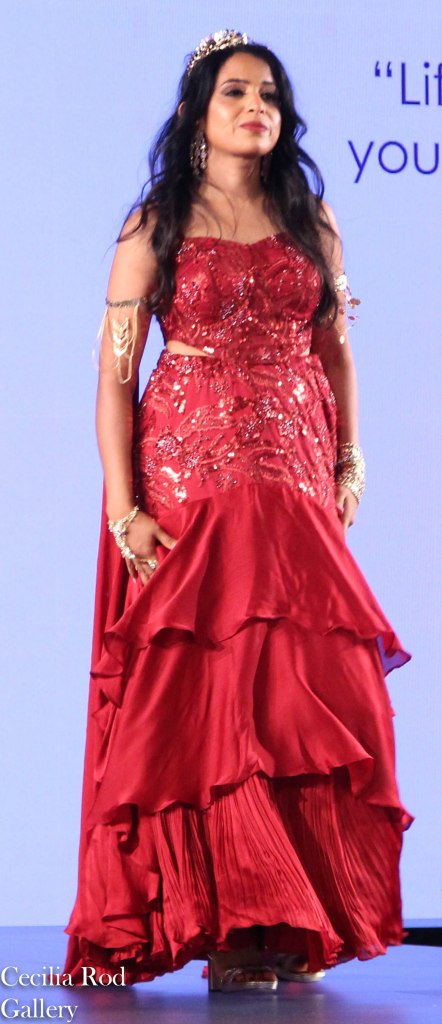
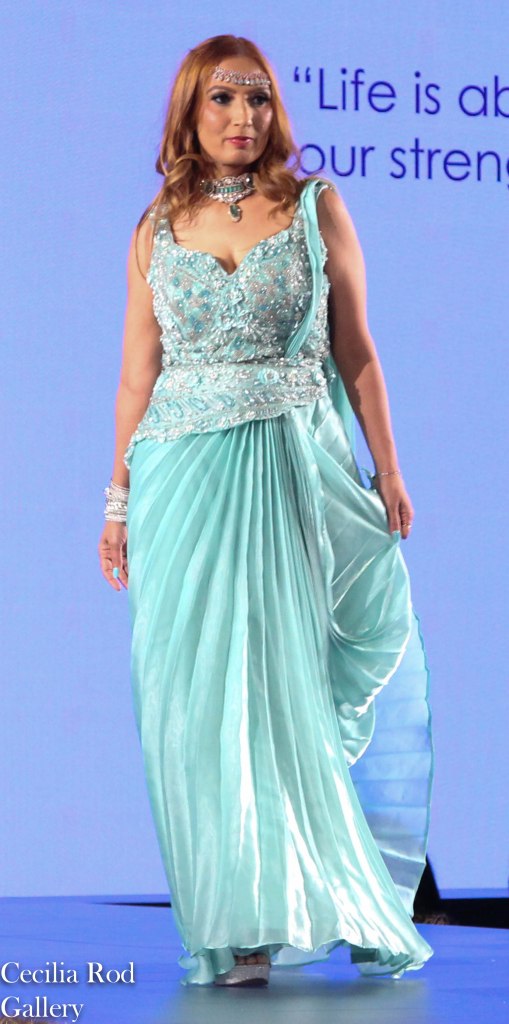
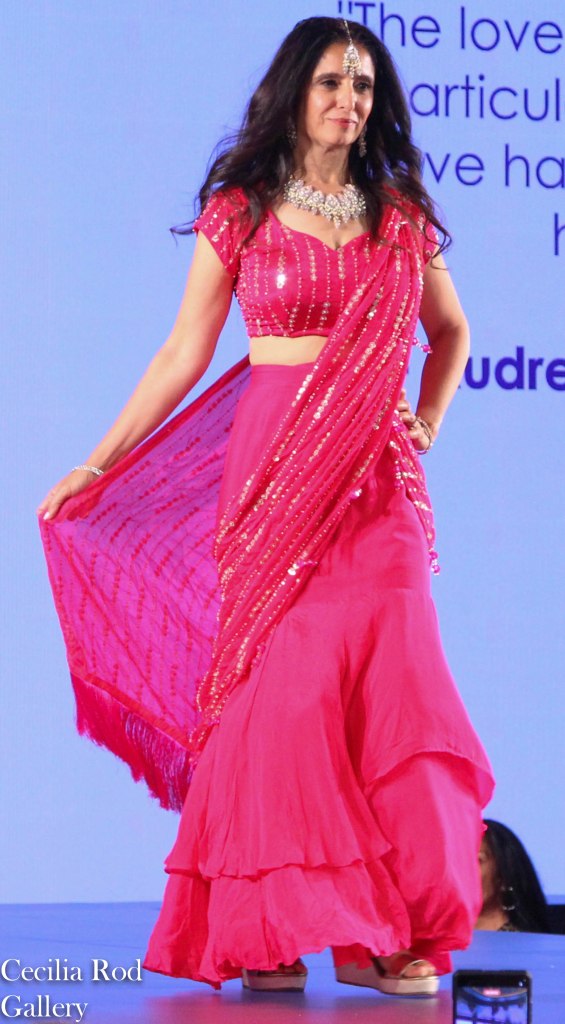
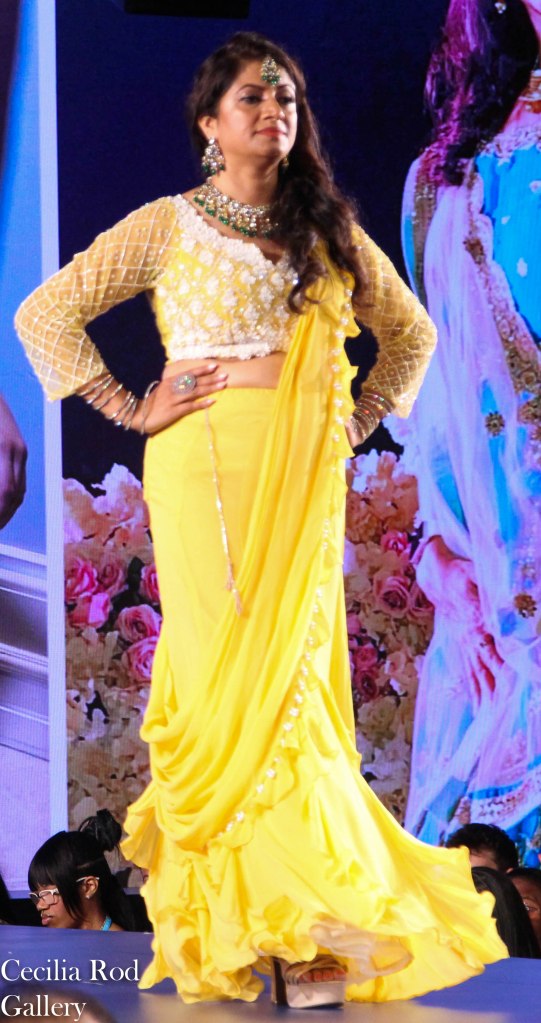
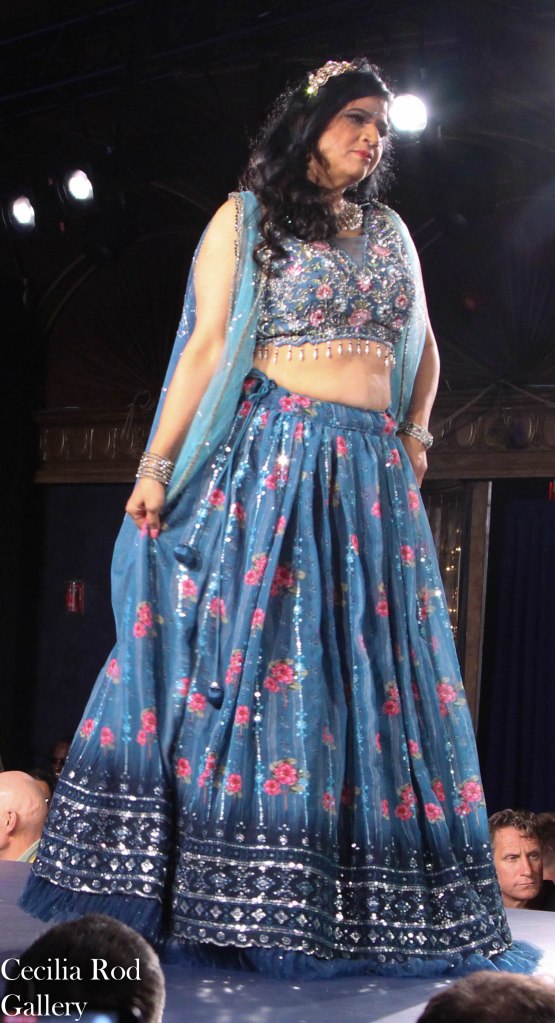
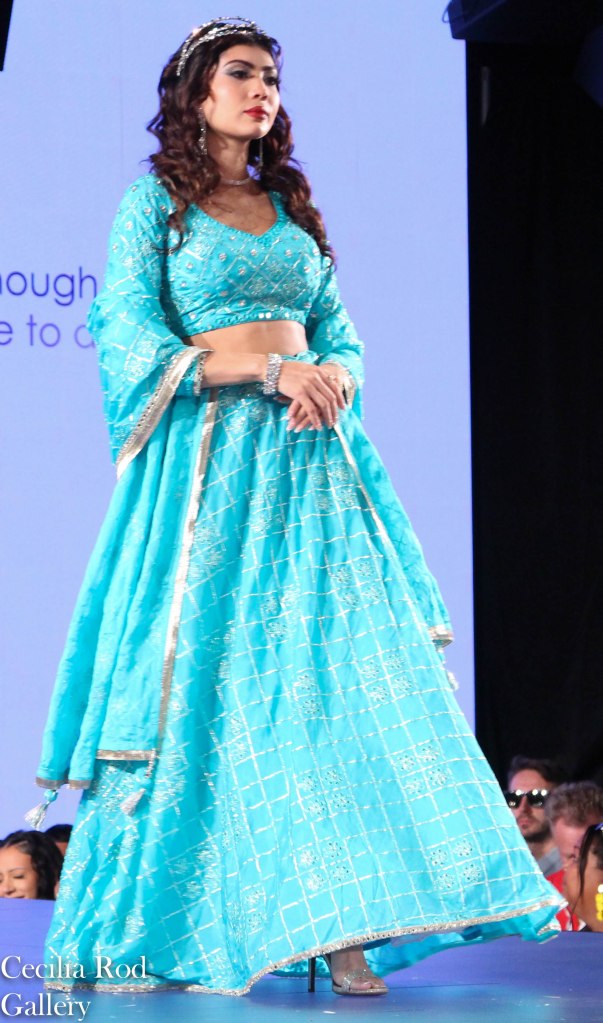
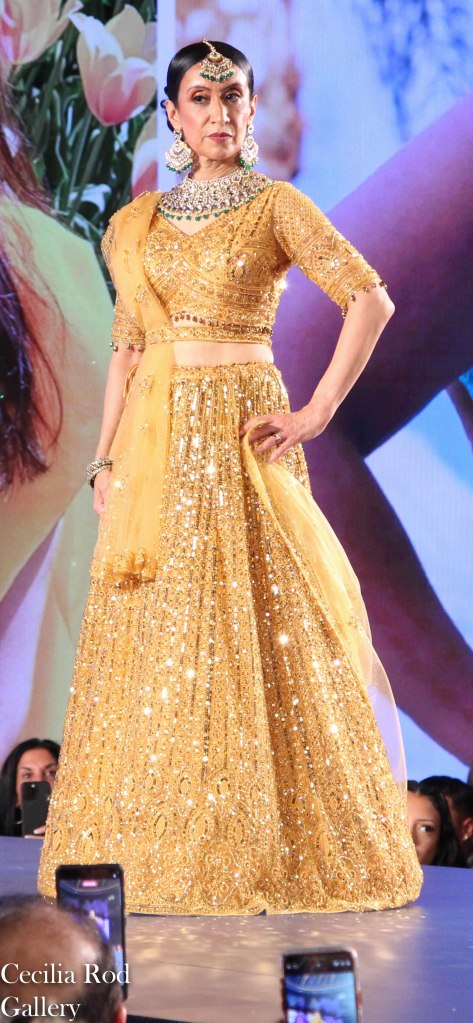
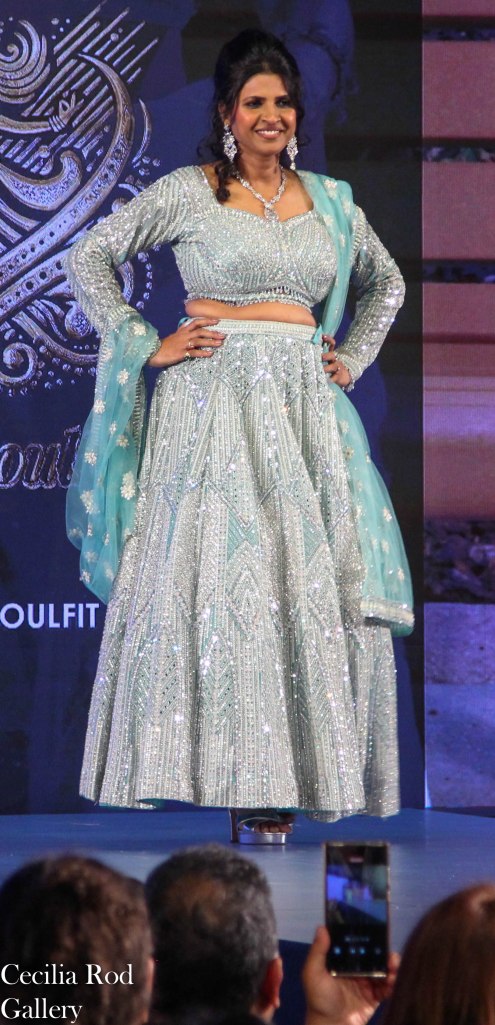
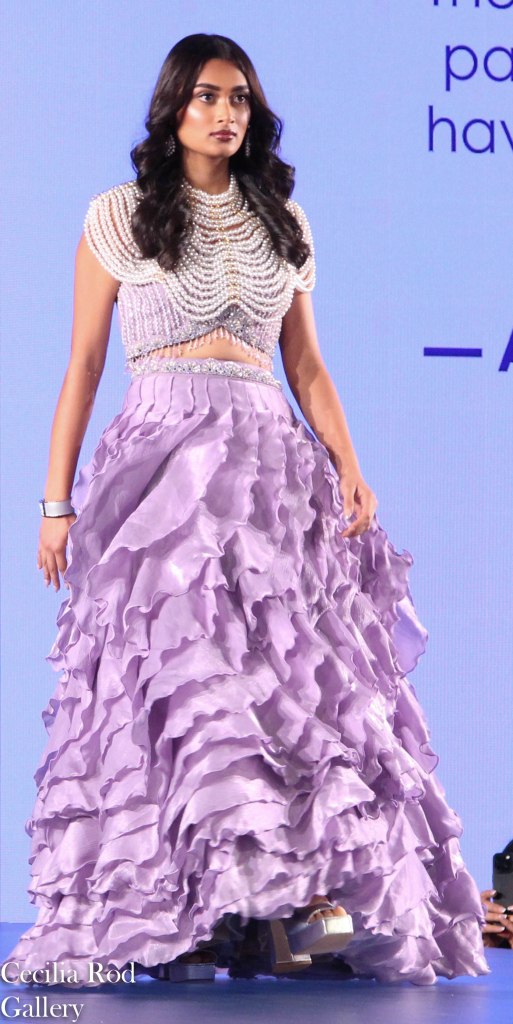
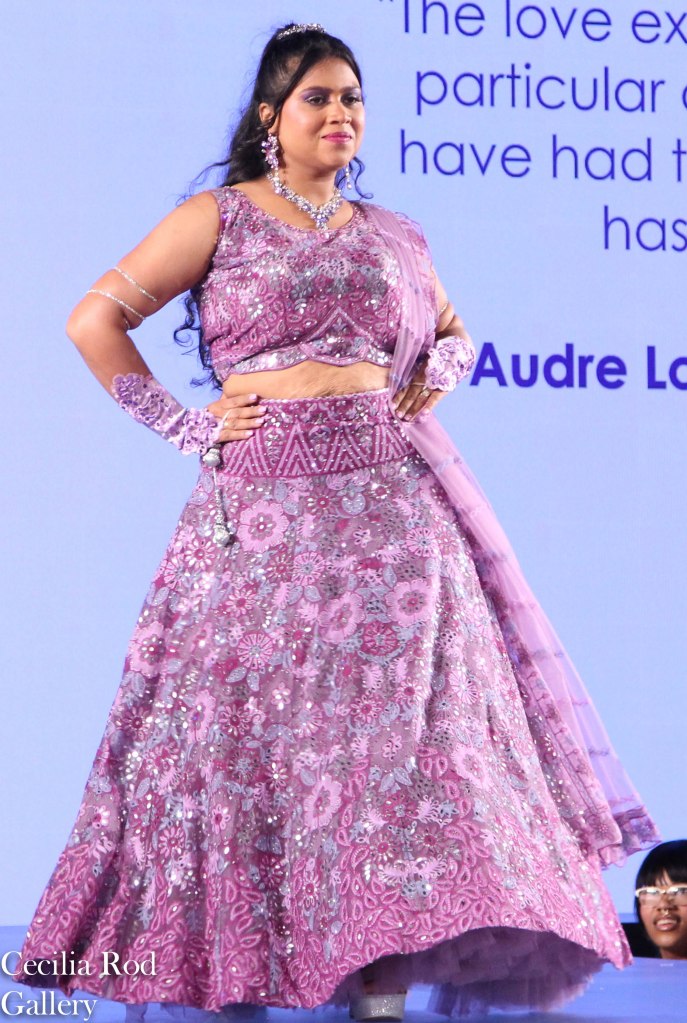
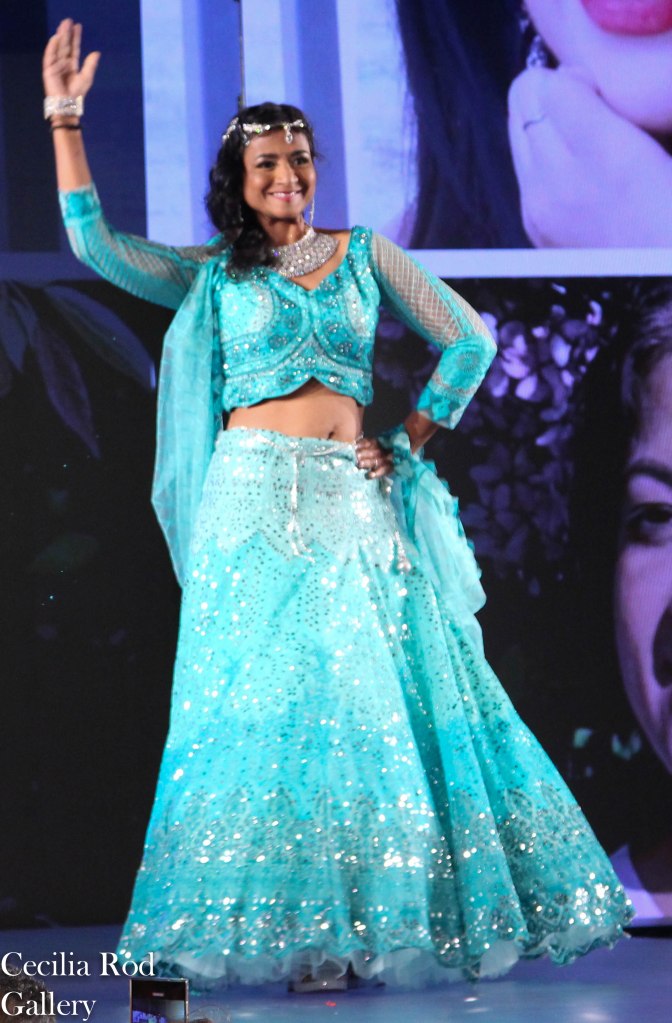
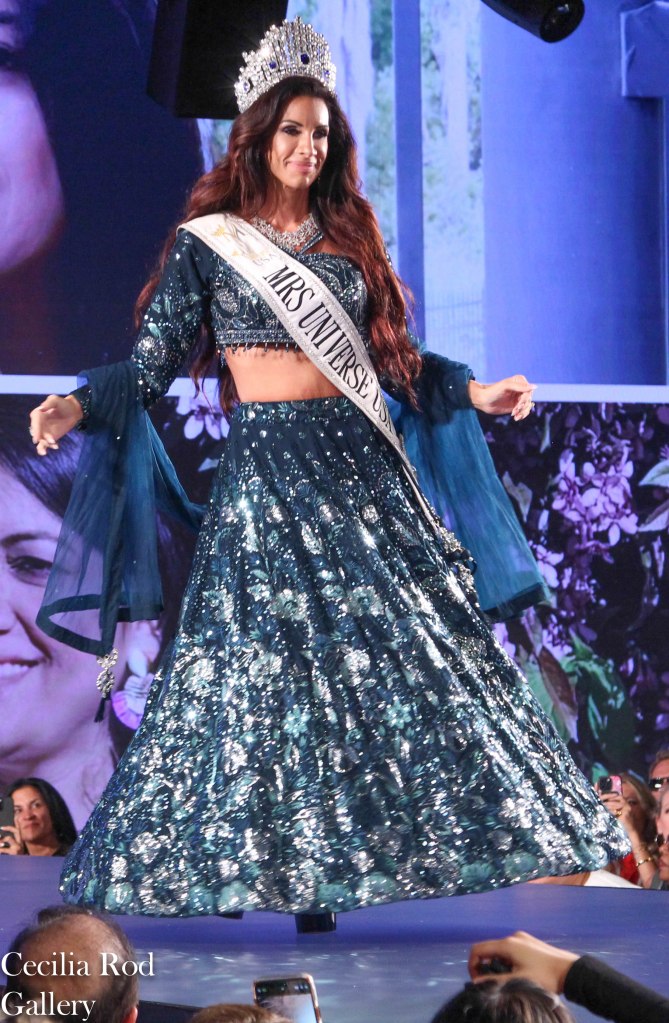
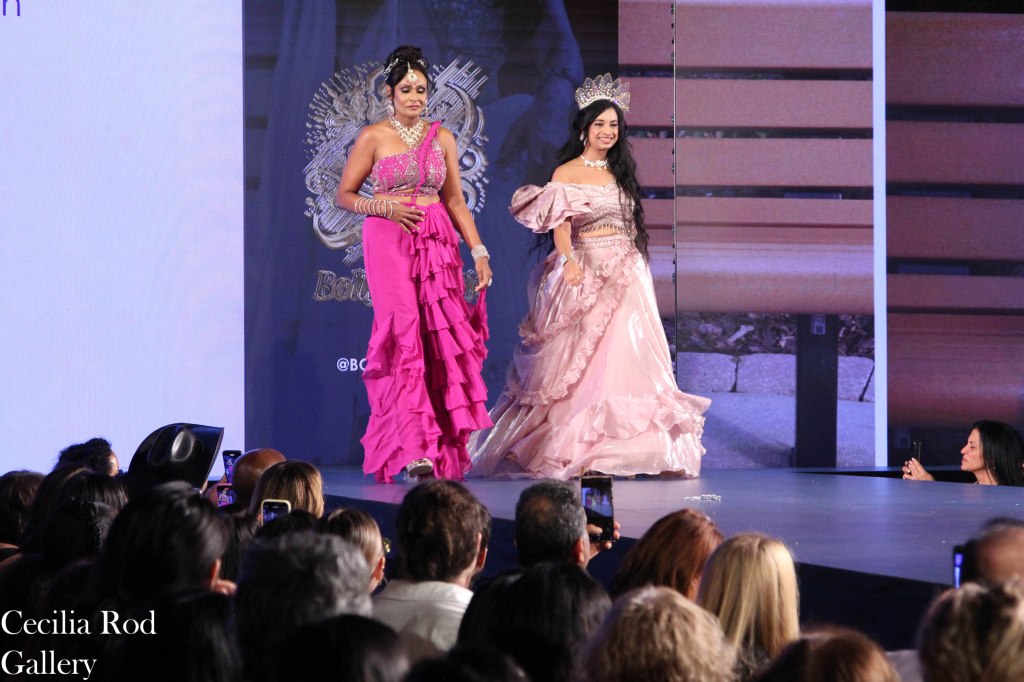
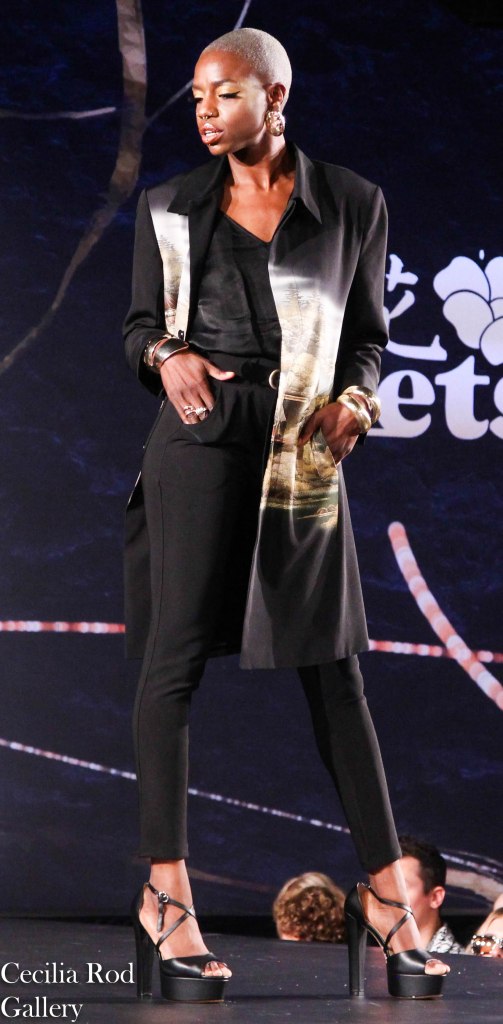
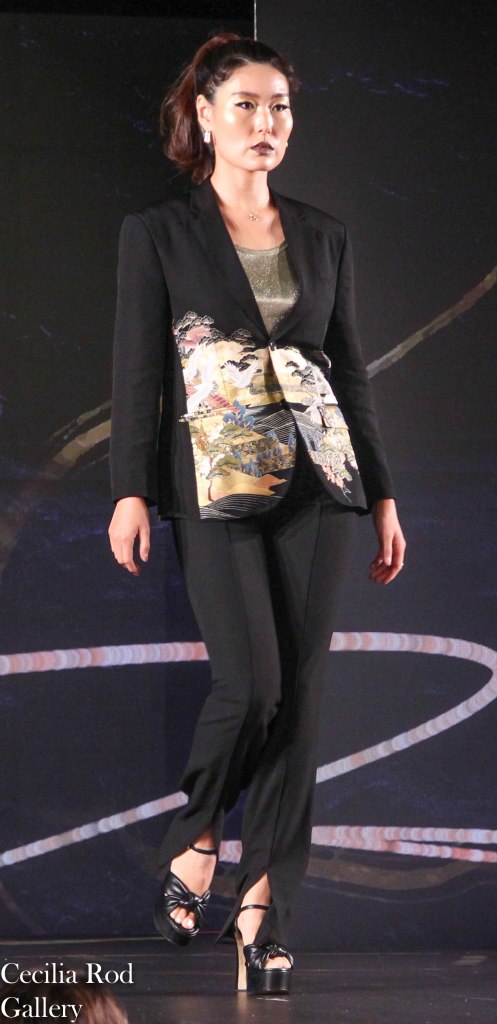
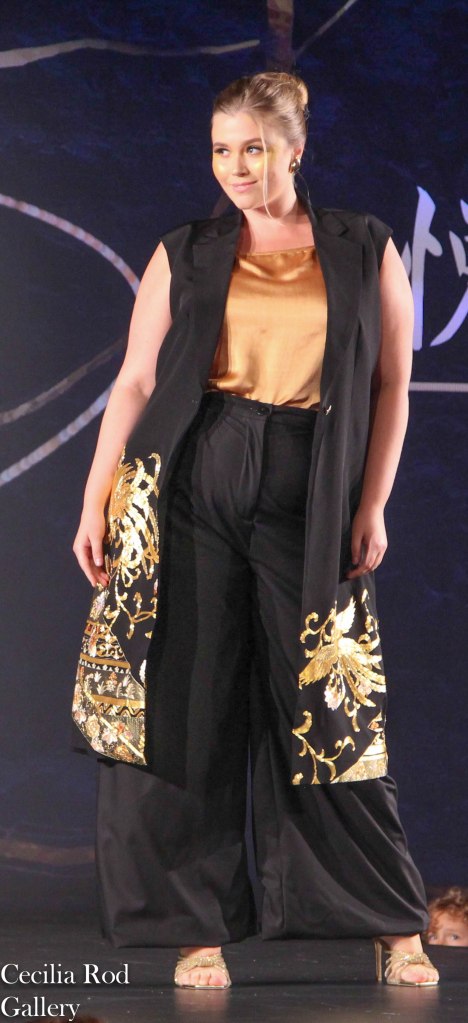
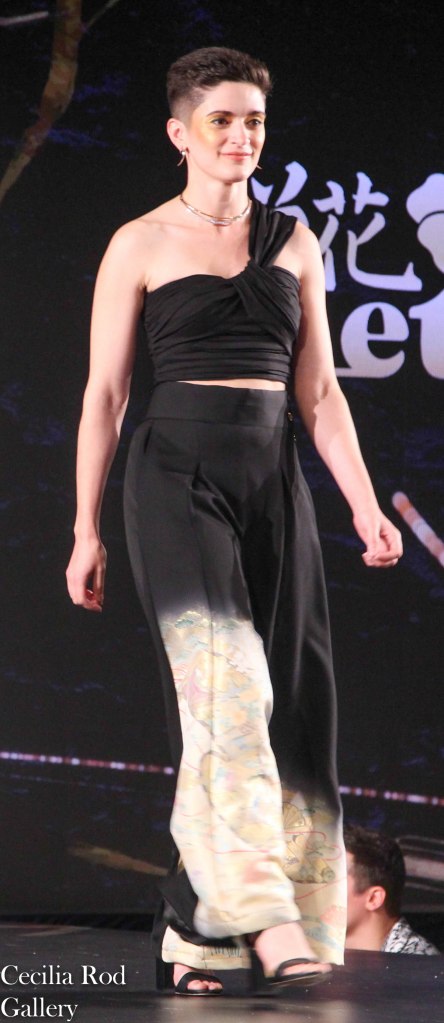
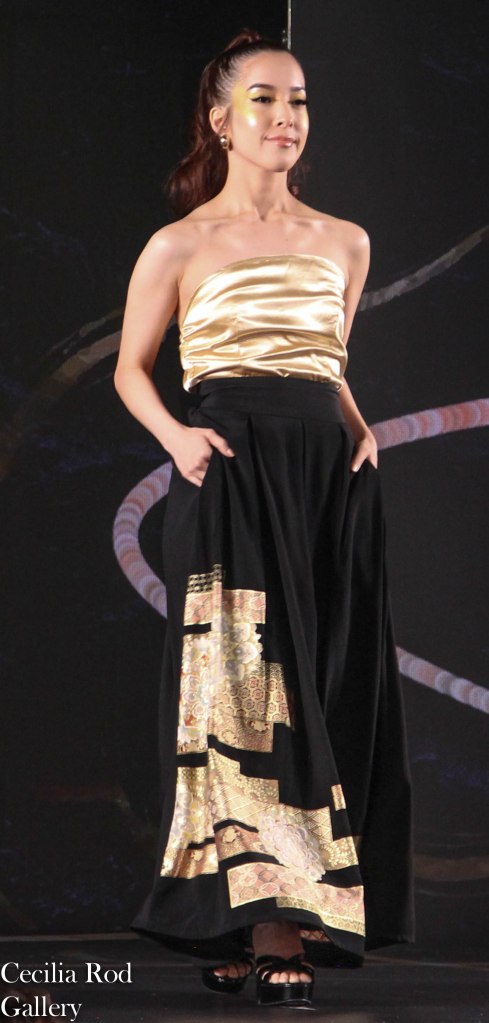
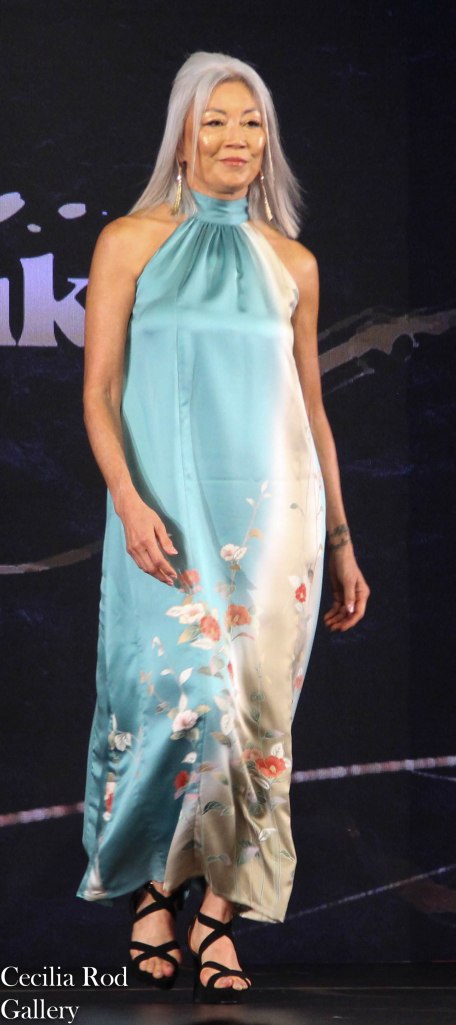
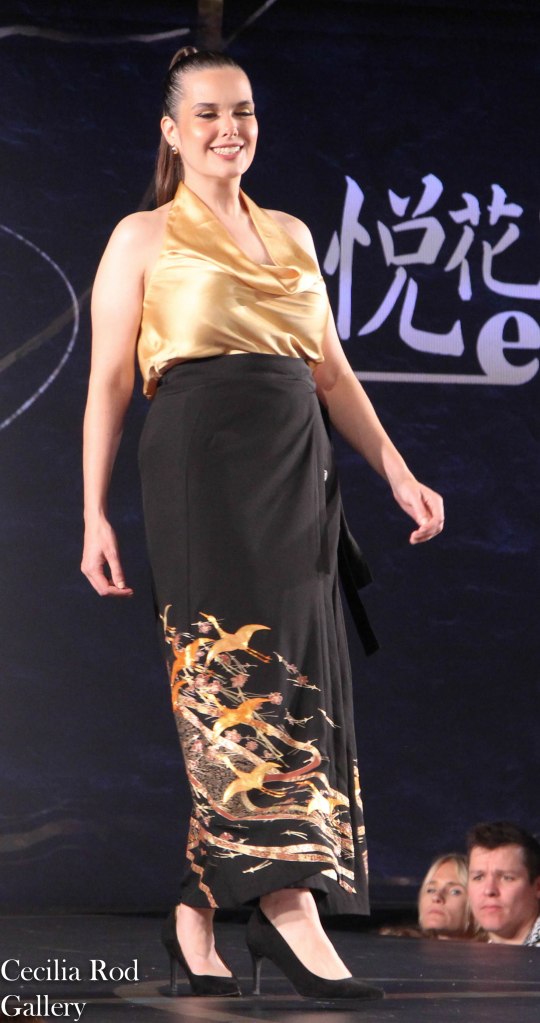
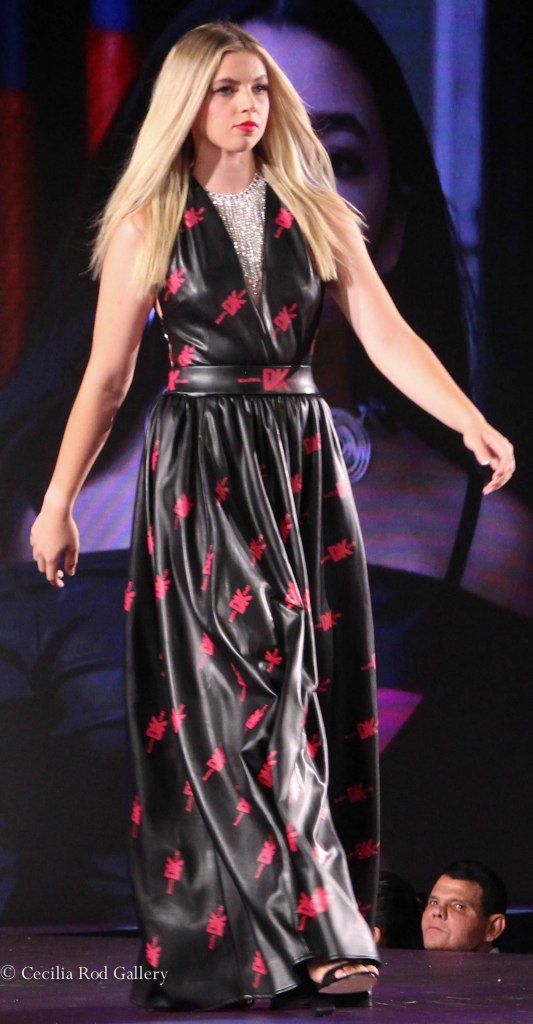
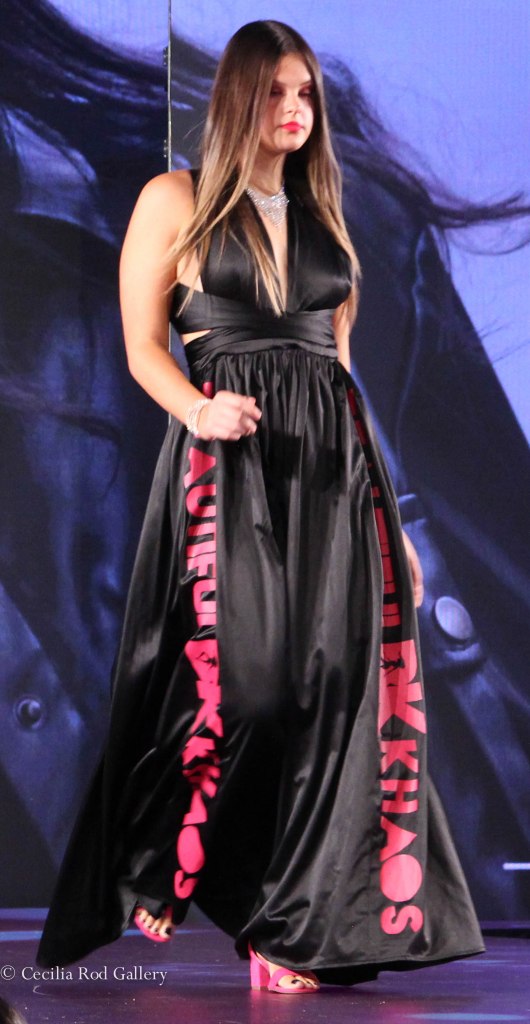
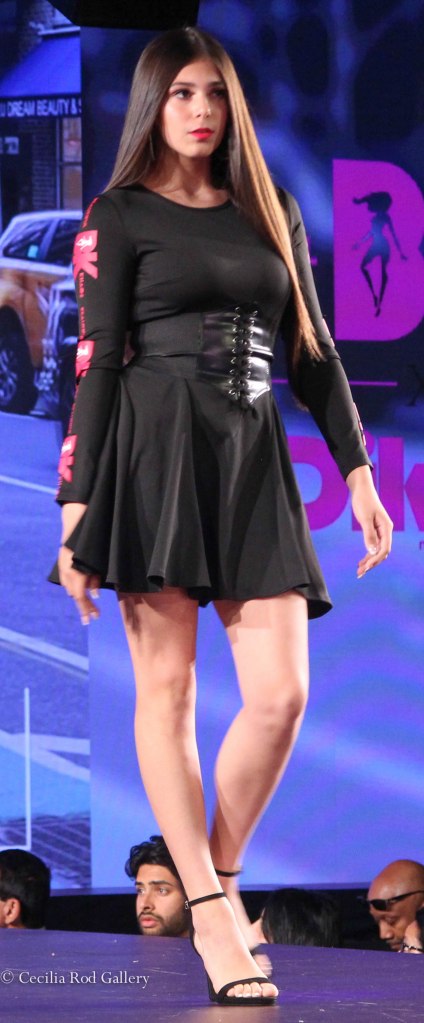
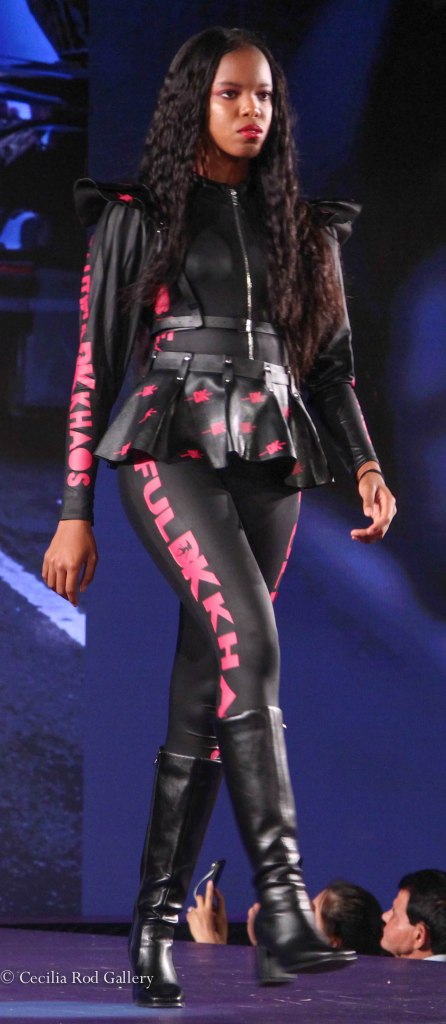
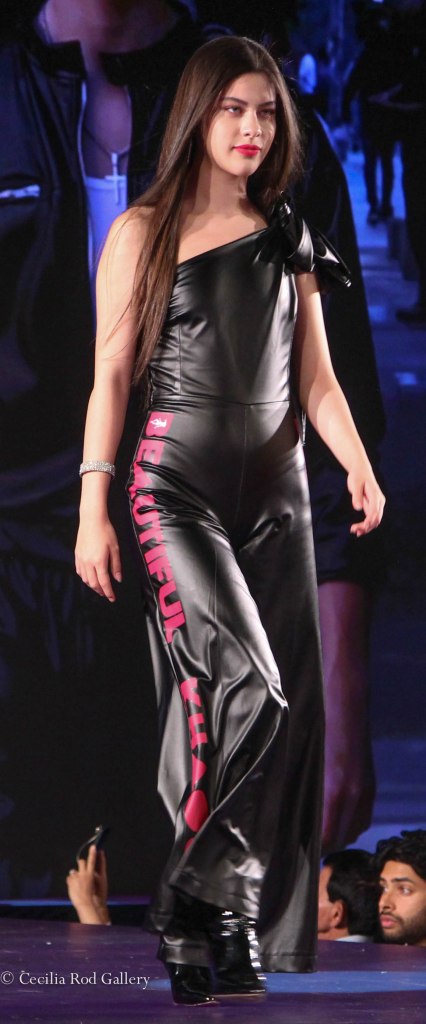
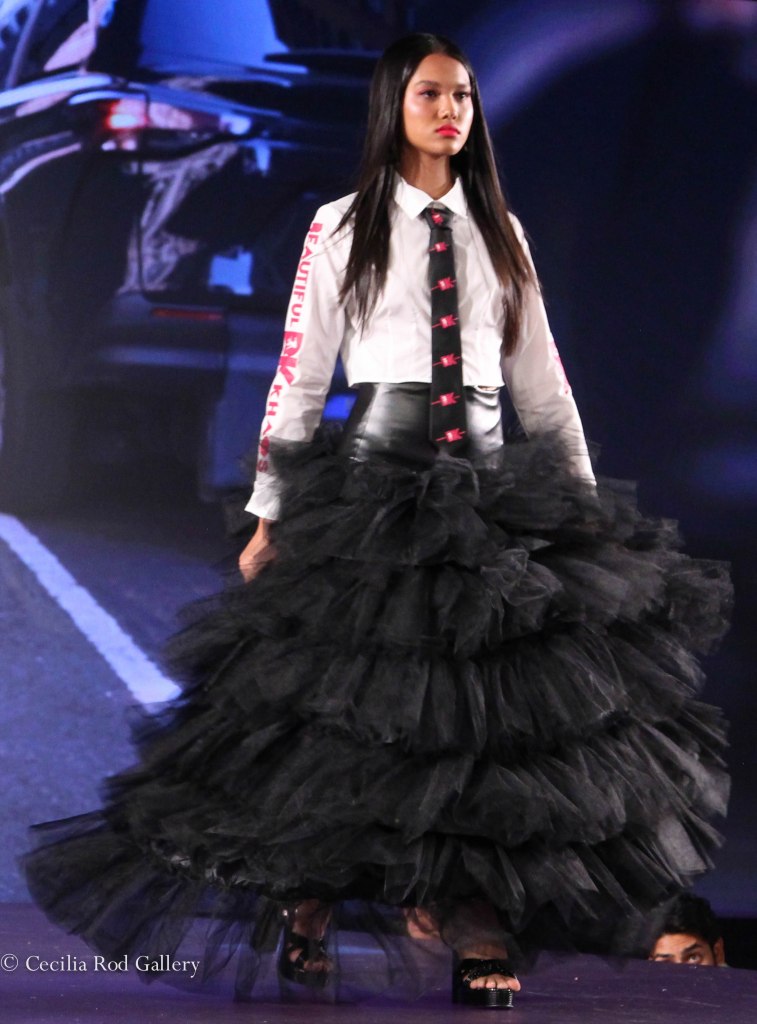
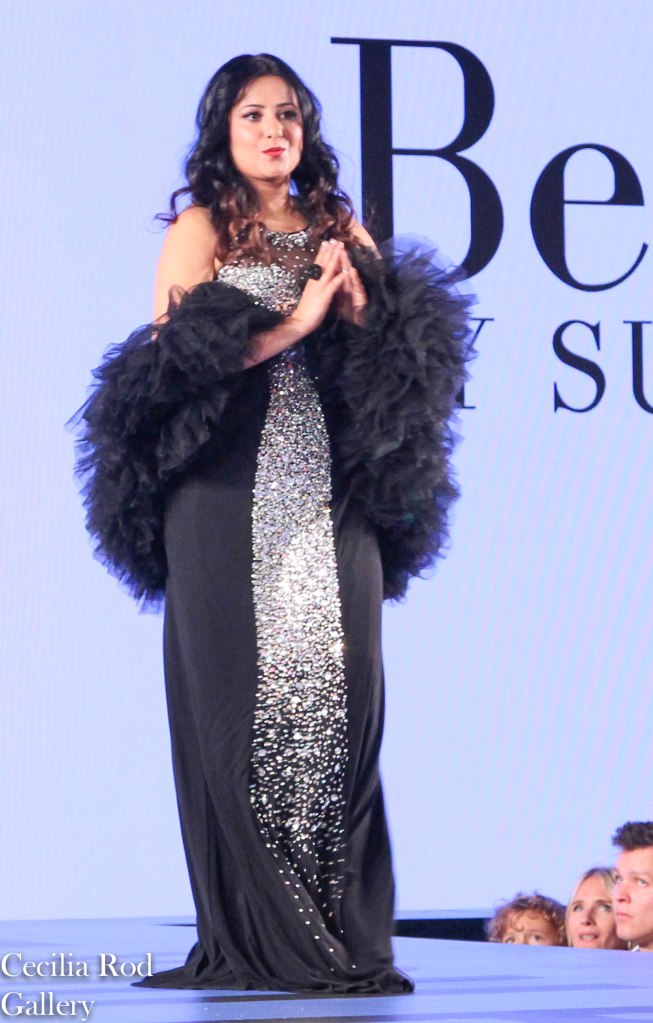
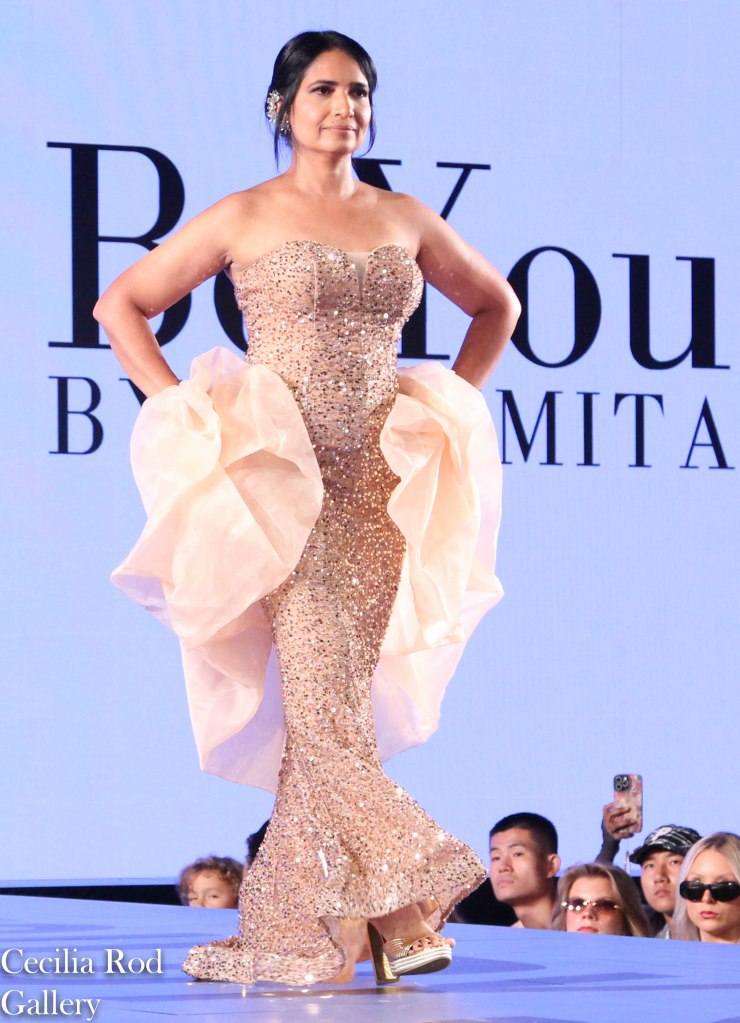
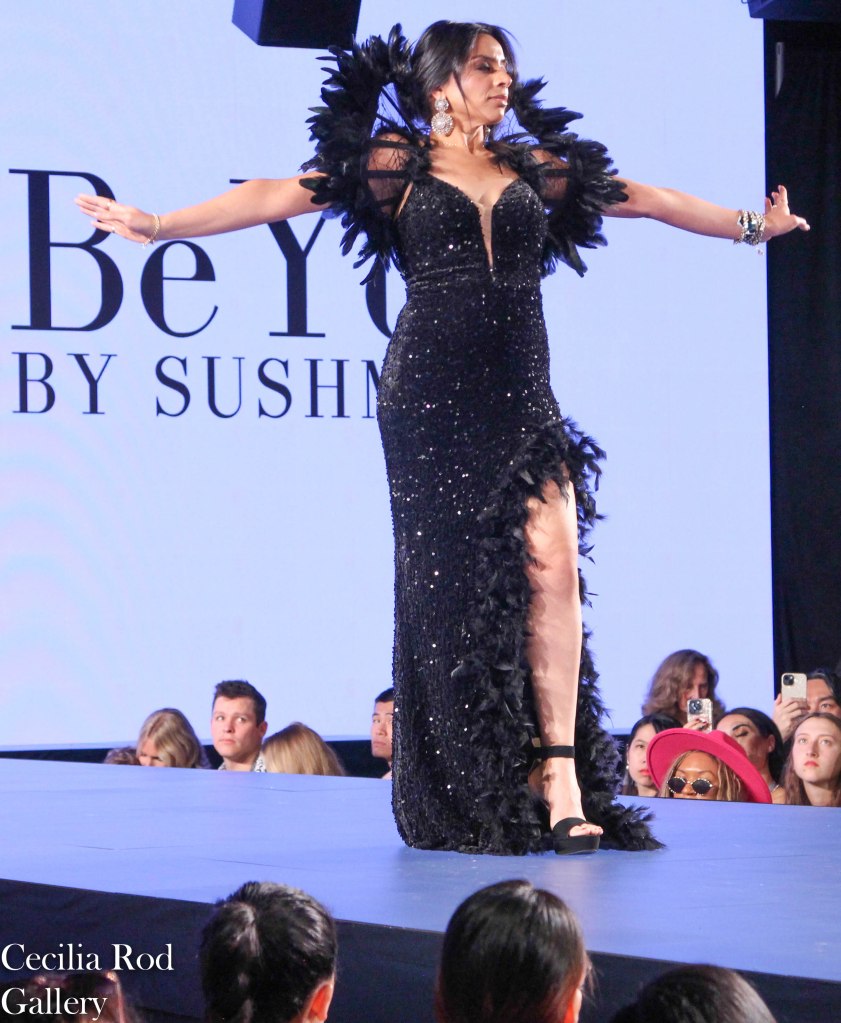
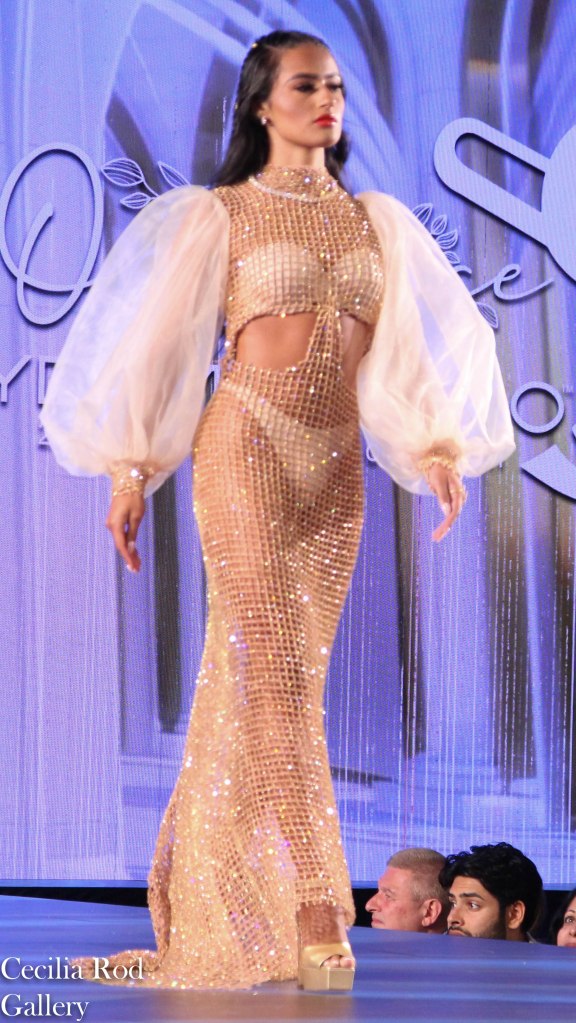
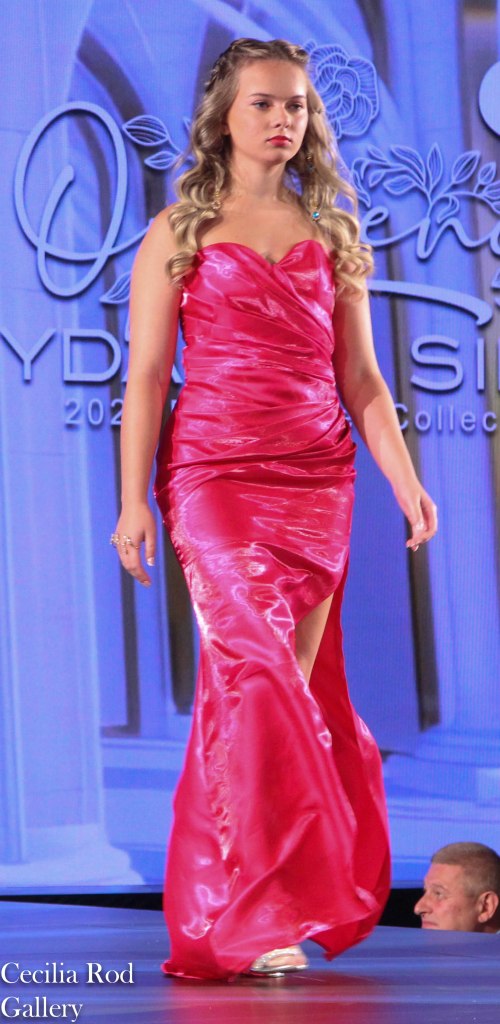
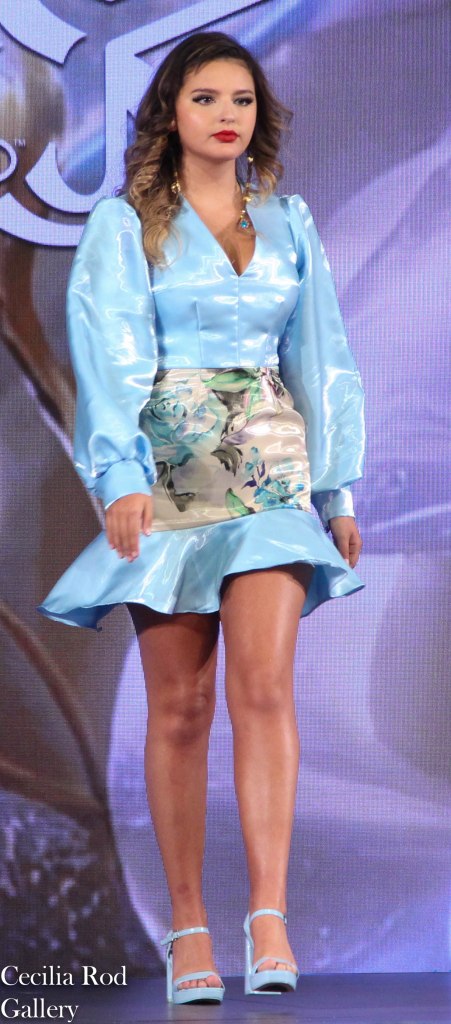
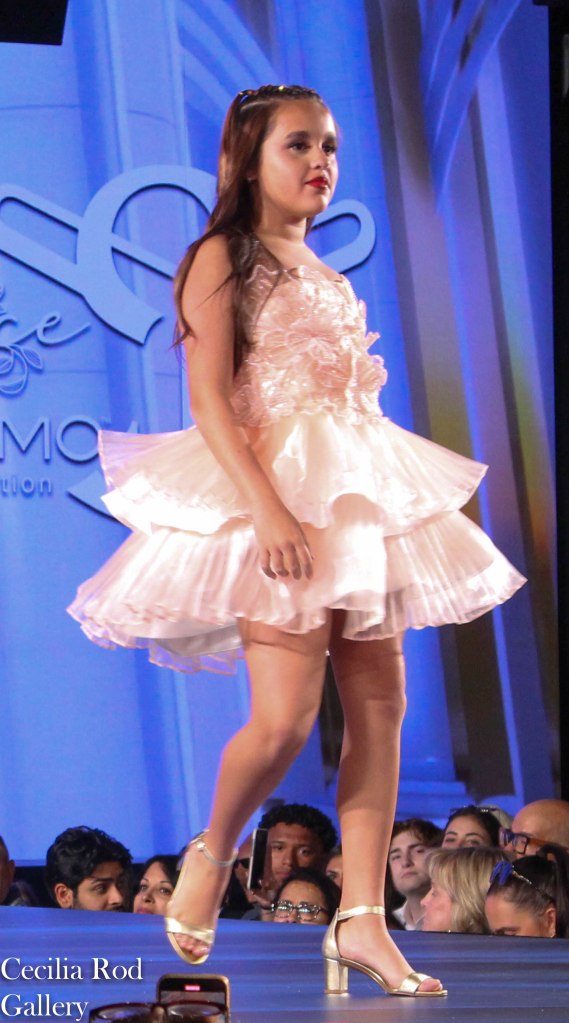
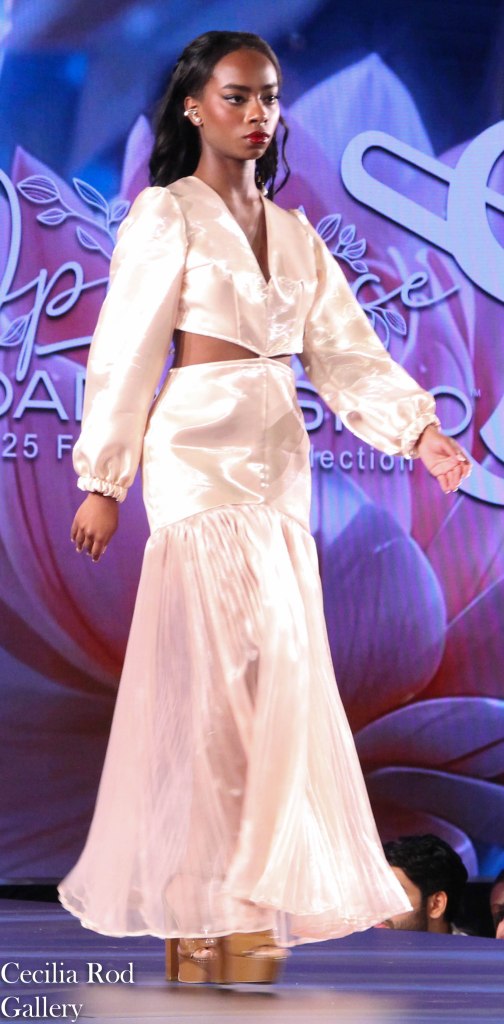
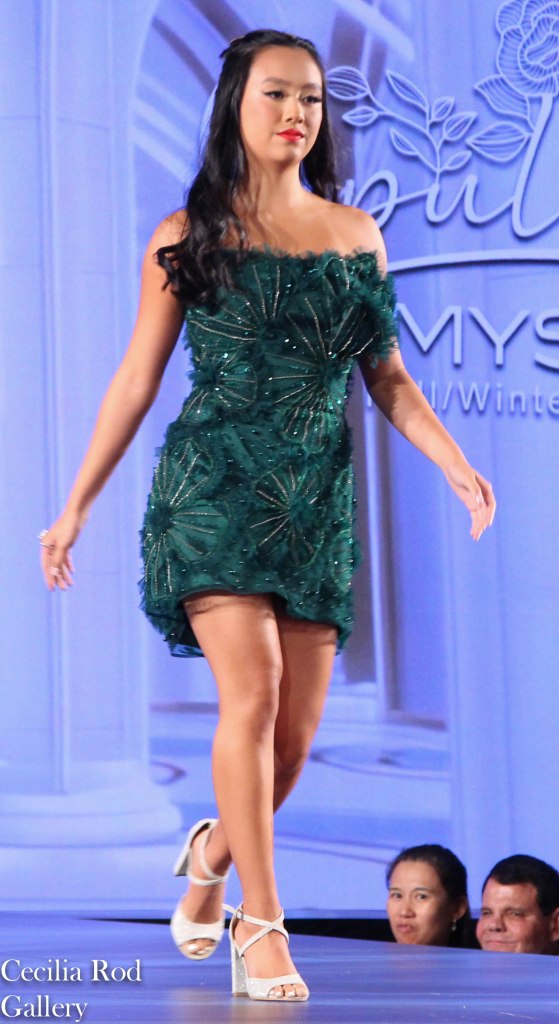
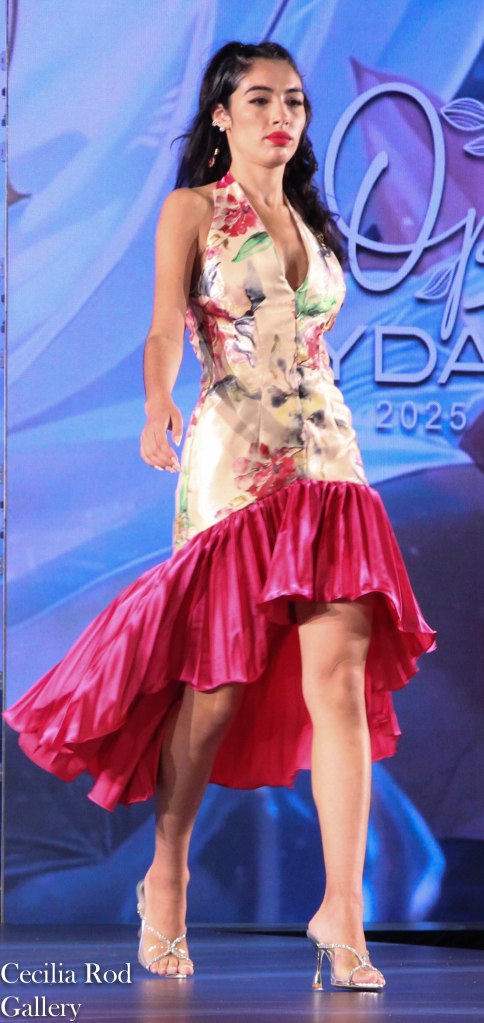
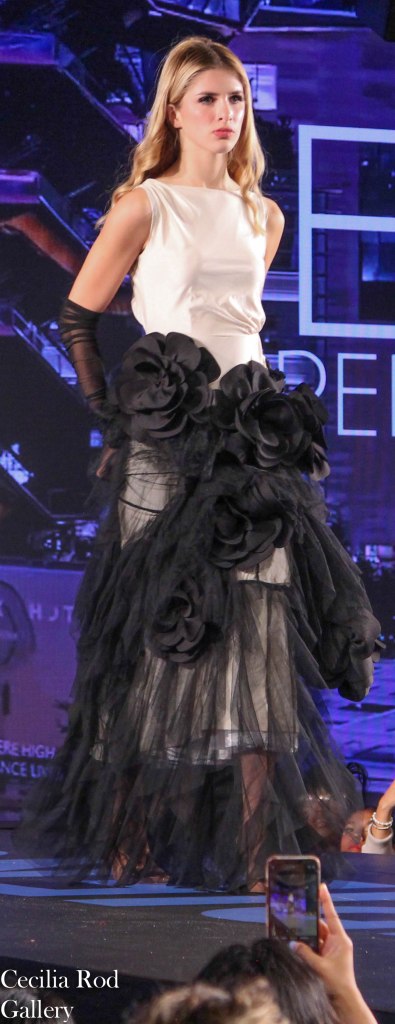
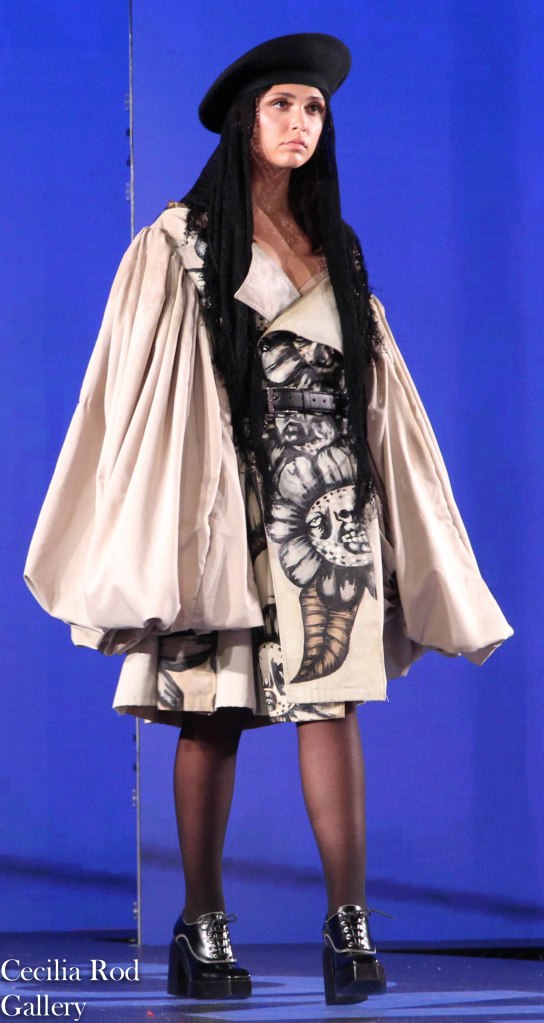
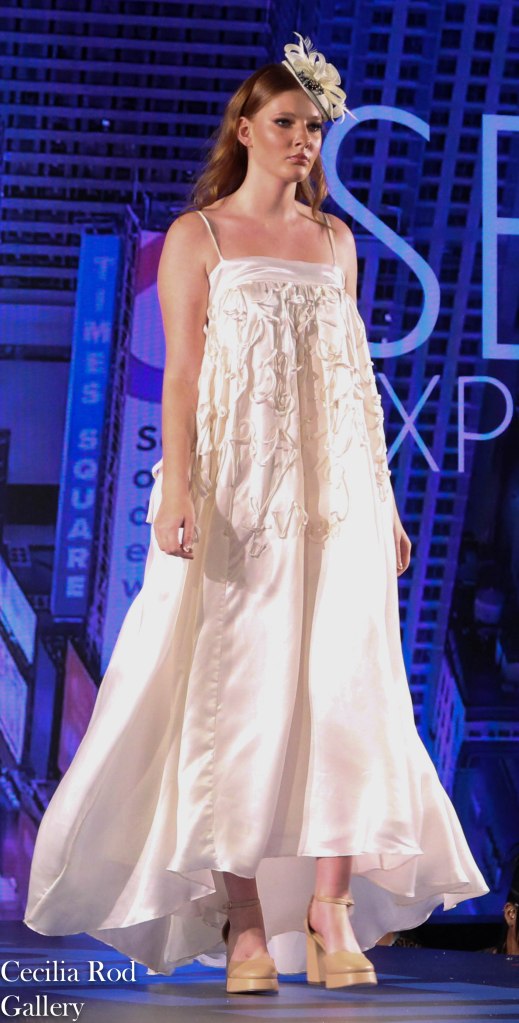
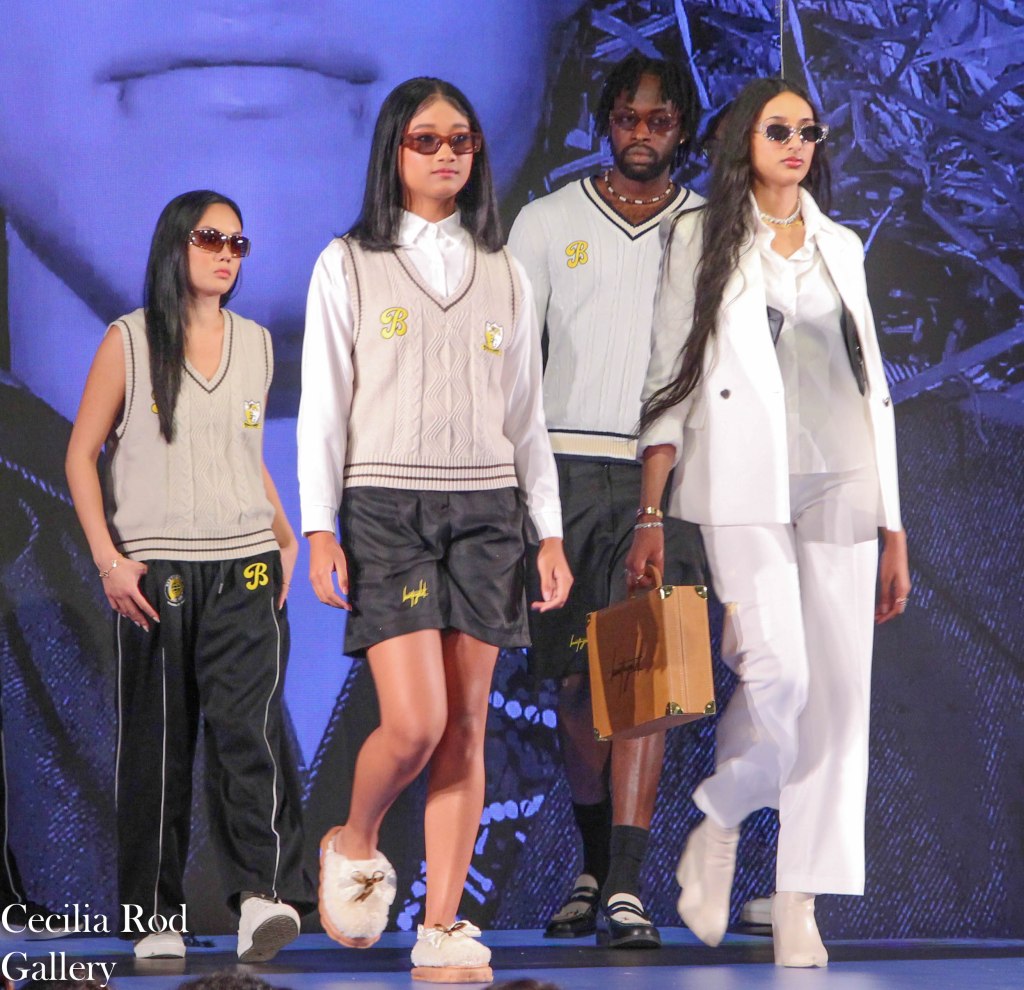
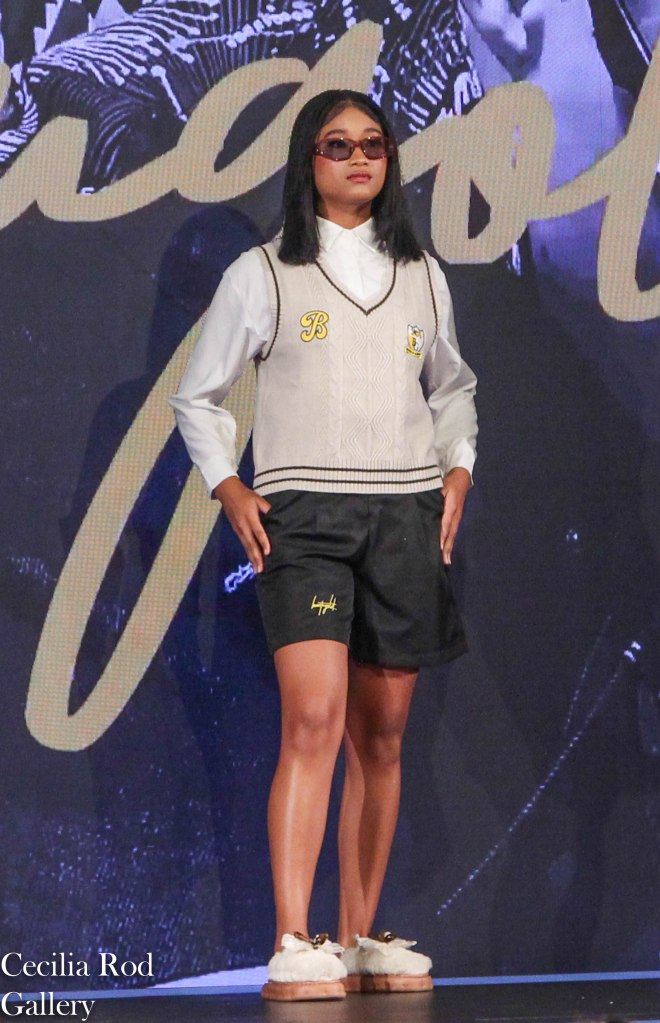
▪️ A fashion show in which cultural traditions find new artistic expression through contemporary fashion and design.
For us, it is especially meaningful that this event is taking place in Taraz — a city with a centuries-old history, rich cultural heritage and tremendous creative potential.
We express our gratitude to the Akimat of Zhambyl Region for supporting our initiative, as well as to all our partners, participants and like-minded people who are helping bring this vision to life.
Our philosophy is simple:
PRESERVE → PASS ON → REINTERPRET → CREATE.
Because heritage is not only what we have received from our ancestors. It is something we must understand, carry forward and pass on to future generations.
📍 Venue: KÖNE TARAZ Ethnocultural Complex, Taraz 📅 Date: November 21, 2026 🕔 Time: 5:00 PM – 8:00 PM
We warmly invite the residents and guests of Taraz to join us for this special evening!
ASPARA FASHION DAY 2026 “THE CODE OF HERITAGE”
Organizers: ASPARA FASHION WEEK × Eurasian Council for Craft & Design (ECCD).
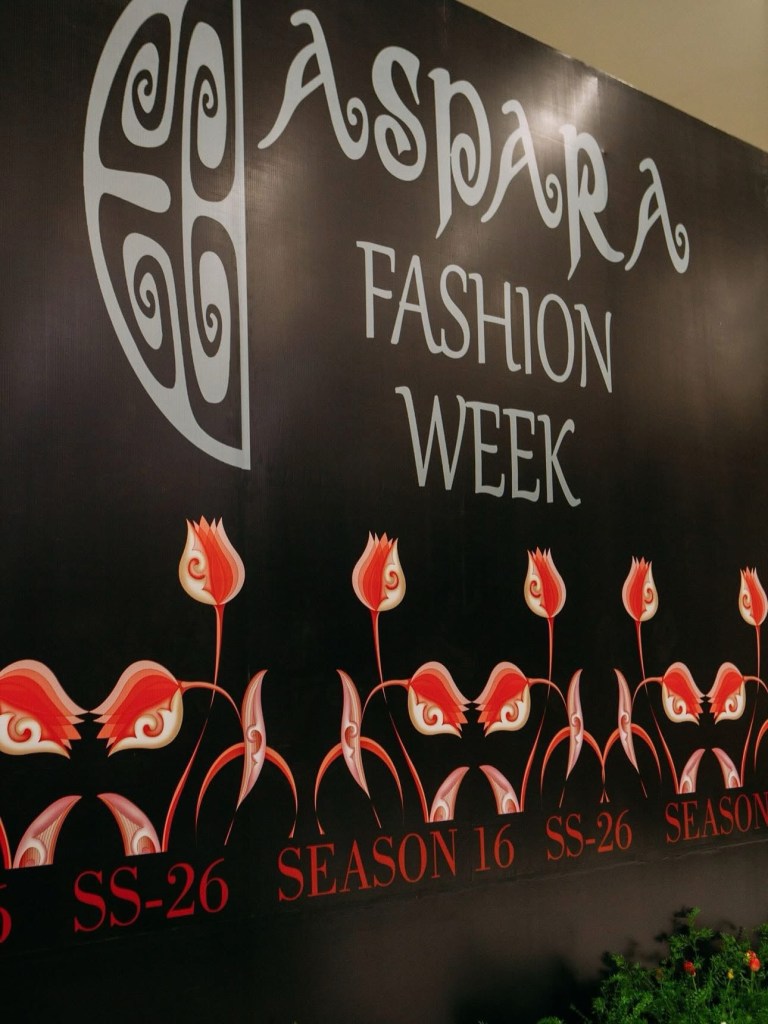
Taraz, Kazakhstan Central Asia Season 18-September-23-25, 2026
Global Fashion Platform
Published by Cecilia Rod
ASPARA FASHION WEEK XVIII: HERITAGE, CRAFT AND CONTEMPORARY FASHION
23–25 September 2026 | Taraz, Kazakhstan
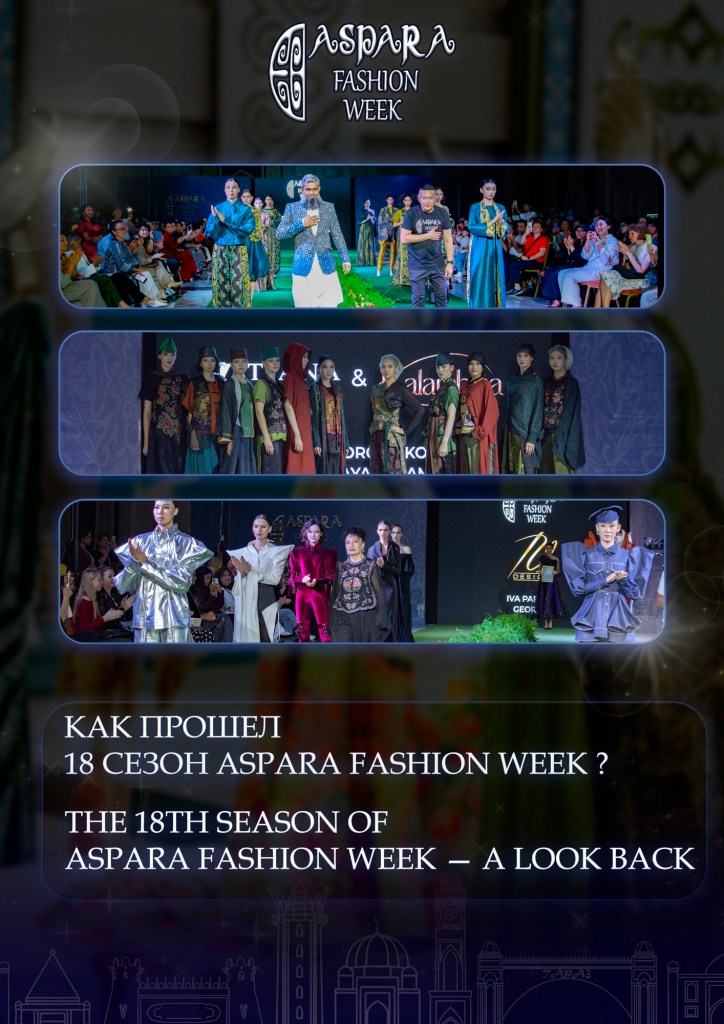
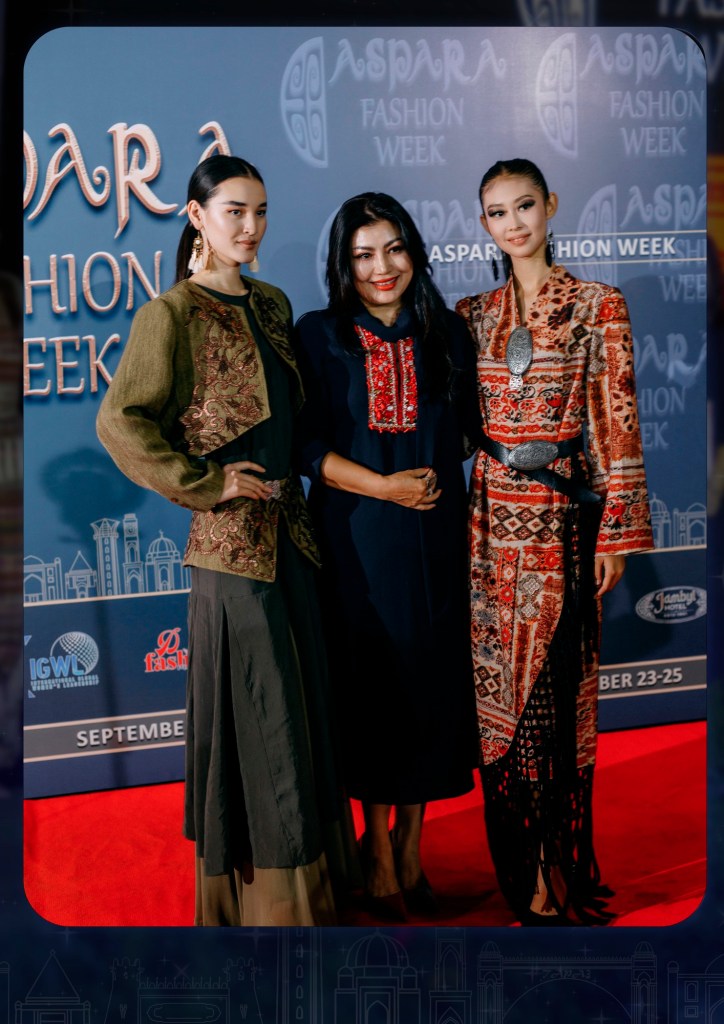
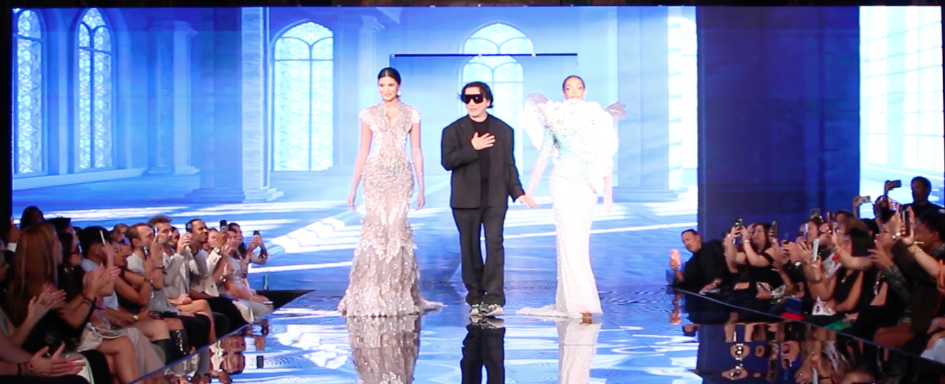
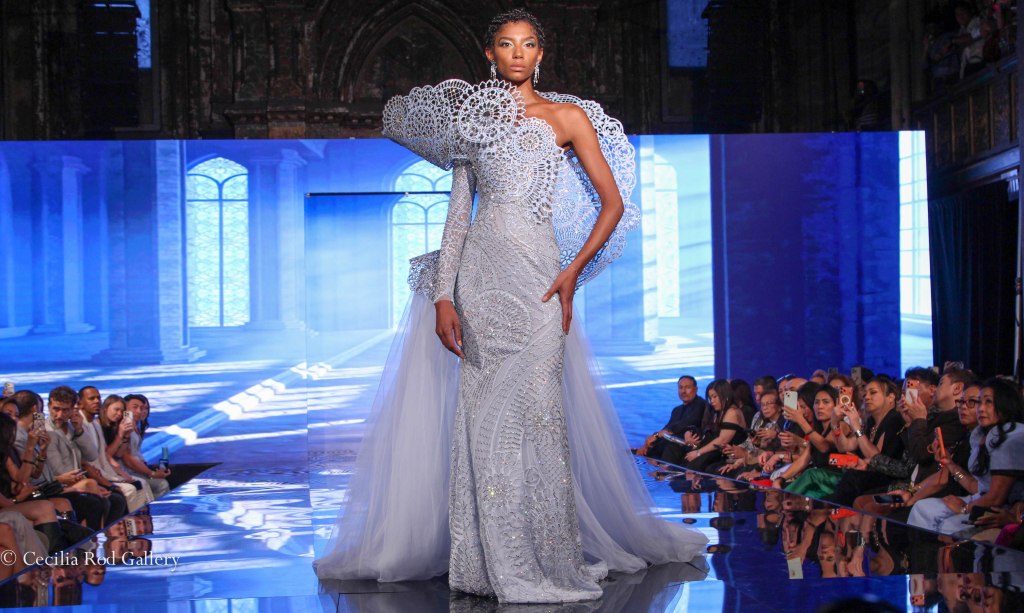
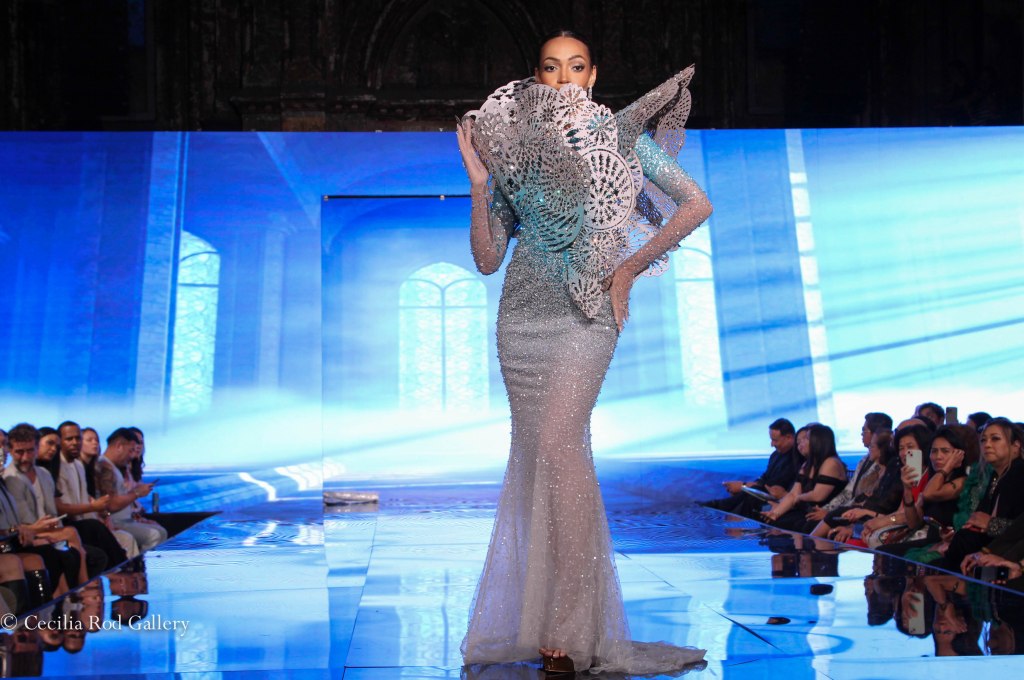
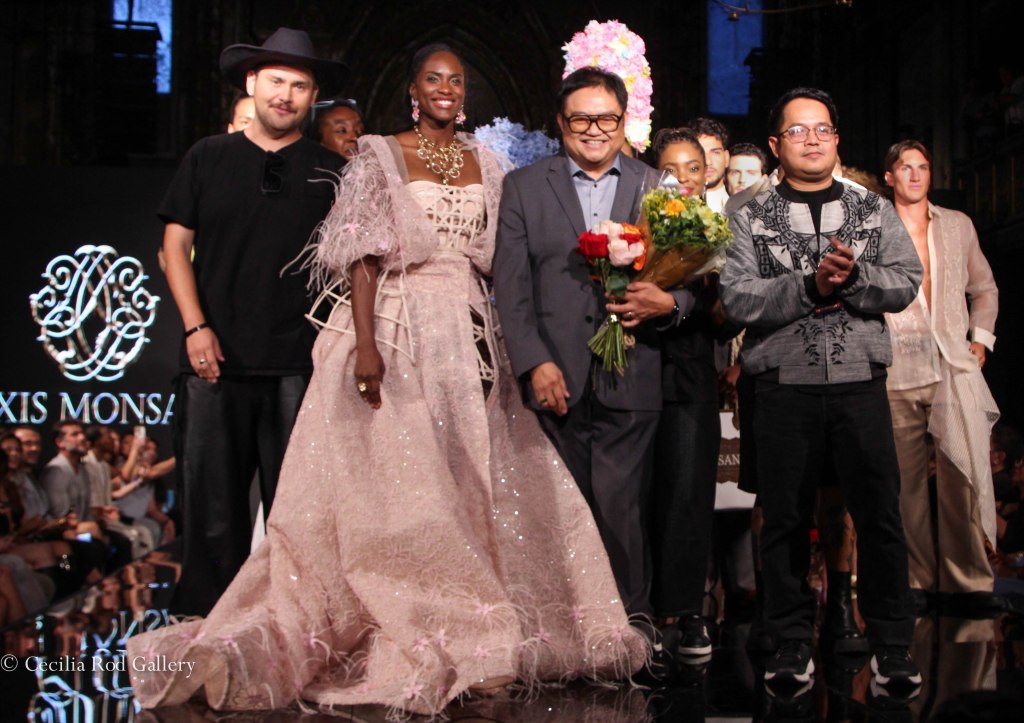
From 23 to 25 September 2026, Taraz hosted the XVIII edition of ASPARA FASHIONWEEK, an international platform bringing together contemporary fashion, design, cultural heritage and professional exchange.
For the Eurasian Council for Craft & Design (ECCD), ASPARAFASHION WEEK offered a compelling example of how traditional knowledge, education and contemporary creative practice can come together to generate new forms of cultural and professional exchange.
From Heritage to the Future
The conceptual framework of the XVIII edition was:
HERITAGE → CRAFT → DESIGN → FASHION → FUTURE
This reflects a principle central to ECCD: heritage should not be viewed solely as something to preserve. It can also serve as a living source of creativity, education, innovation and sustainable creative development.
Across three days, the programme featured 32 fashion presentations and creative projects, bringing together established designers, international participants, emerging talent and special projects.
An International Dialogue Through Fashion
The opening programme featured ASPARA × AJRAKH, a collaboration connecting the Kazakh fashion platform with the centuries-old textile tradition of Ajrakh from India.
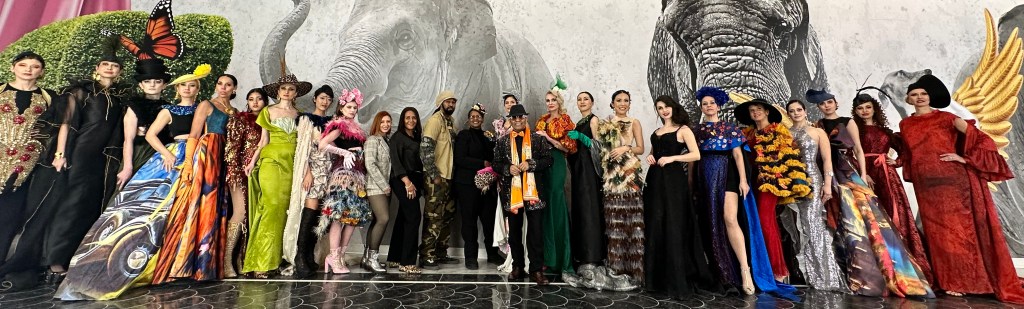
The following two days brought designers and creative practitioners from Kazakhstan, China, India, Italy, Georgia, Belarus, the United Kingdom, Turkmenistan, Uzbekistan, Tajikistan, Kyrgyzstan and Altai to Taraz.
The result was more than a series of runway presentations. ASPARAFASHION WEEK created a setting for professional exchange, cultural dialogue and new connections between different creative traditions.
Supporting Education and Emerging Talent
The first day included nine student collections from ASPARA College of Fashion and Business.
Supporting education and emerging designers is an important part of ECCD’s vision for a stronger craft and design ecosystem. Giving young creators a place within a professional international programme allows them to connect their education with practice and take their first steps into the wider creative sector.
Works by master’s students in Design were also included in the programme as part of this commitment to supporting emerging creative professionals.
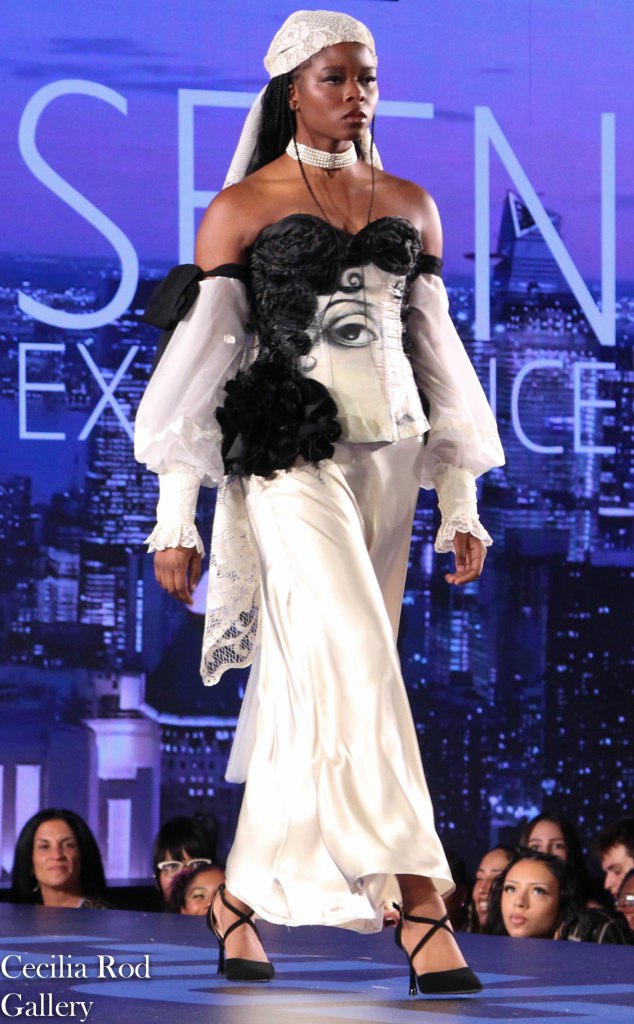
One of the defining cultural projects of the season was KIMESHEK — THE CODE.
The project approaches the Kazakh kimeshek not simply as an element of traditional dress, but as a cultural code associated with female identity, dignity, age, social status, motherhood and the continuity of generations.
Contemporary materials, techniques and silhouettes were used to explore how this traditional form can be reinterpreted for contemporary fashion while retaining its cultural meaning.
FORM MAY CHANGE.
MEANING REMAINS.
This approach closely resonates with ECCD’s concept of Living Craft & Design Territories — places where traditional knowledge remains relevant by engaging with contemporary society, creative practice and new forms of expression.
Taraz: A Meeting Point of Cultures
With its long history along the Silk Road, Taraz has for centuries been a place of exchange between cultures, crafts, ideas and trade.
Today, the city continues this tradition of exchange through contemporary design and fashion.
ASPARA FASHION WEEK demonstrates how a city’s cultural heritage can become a foundation for contemporary creativity, creative enterprise and international collaboration.
ECCD and the Future of Creative Ecosystems
For ECCD, initiatives such as ASPARA FASHION WEEK are valuable because they bring together craft, design, education, fashion, heritage and international cooperation within one creative ecosystem.
The XVIII edition demonstrated how traditional knowledge can inspire new design practices, how emerging designers can gain access to professional platforms, and how international encounters can lead to further creative collaboration.
ECCD sees this kind of exchange as part of the development of a contemporary creative space across Eurasia — one in which heritage is not only preserved, but continues to evolve through education, design, creativity and international cooperation